When it comes to the transport of sodium chlorate, selecting the right method is crucial for ensuring efficiency, safety, and cost-effectiveness in industrial applications. Sodium chlorate is a highly reactive chemical compound widely used in various industries, including pulp and paper, textile, and water treatment. The choice of transport method directly impacts operational performance, environmental compliance, and overall process reliability. This article provides a detailed comparison of common sodium chlorate transport methods, highlighting their advantages and disadvantages to help industrial operators make informed decisions. Shandong HeadPowder Engineering Co., Ltd., a leading manufacturer in the chemical industry, specializes in the production and supply of sodium chlorate and related products, offering expertise in optimizing transport solutions for industrial clients.
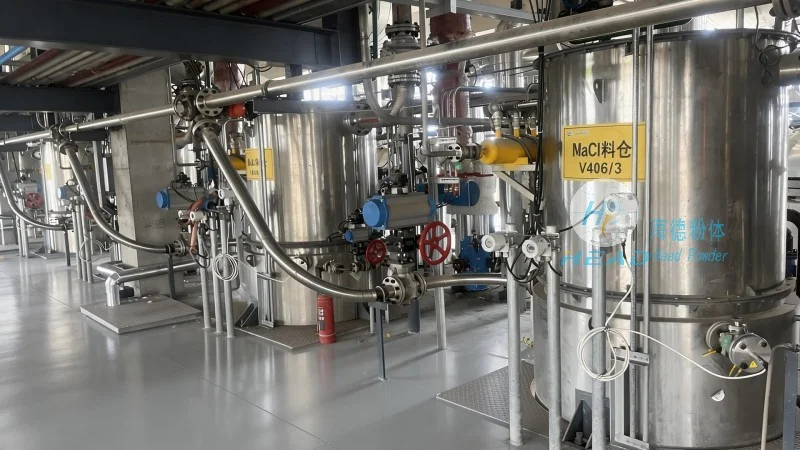
Overview of Sodium Chlorate Transport Methods
Sodium chlorate is typically transported in bulk quantities, often from manufacturing facilities to end-users or processing plants. The primary methods used for this purpose include pipeline transport, truck transport, and rail transport. Each method has its own set of characteristics, benefits, and limitations that must be considered based on the specific requirements of the application, such as distance, volume, and destination. Understanding these aspects is essential for optimizing the supply chain and minimizing operational risks. The choice of transport method also influences regulatory compliance, as different methods may have varying requirements for safety and environmental protection.
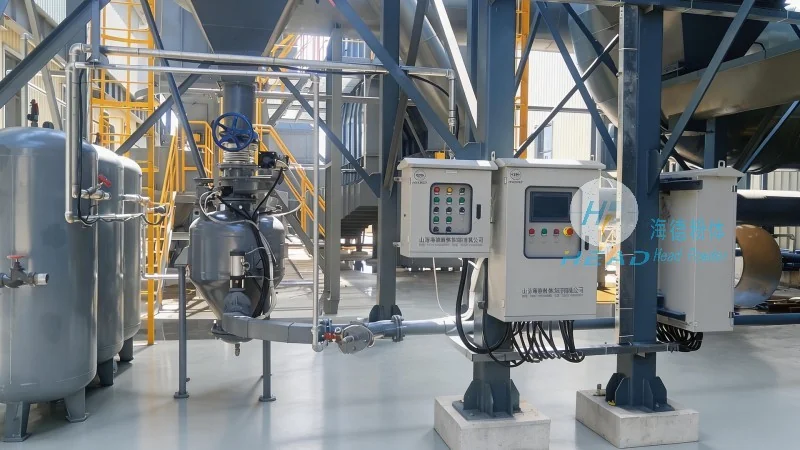
Pipeline Transport: Advantages and Disadvantages
Pipeline transport is a closed system that involves pumping sodium chlorate through a network of pipes. This method is particularly suitable for long-distance and high-volume transport, as it minimizes the risk of spillage and contamination. One of the key advantages of pipeline transport is its ability to maintain consistent flow rates and pressure, ensuring a steady supply of sodium chlorate to the destination. Additionally, it reduces labor costs associated with manual handling and transportation, as the process is automated. The system also allows for continuous operation, reducing downtime and improving overall productivity. However, pipeline transport requires significant upfront investment in infrastructure, including the construction of pipelines and pumping stations. Maintenance costs can also be high due to the need for regular inspections and repairs to prevent leaks or corrosion. Furthermore, the system is less flexible in terms of route changes or adjustments, as it is fixed in place. Environmental regulations may also impose additional constraints on pipeline transport, particularly regarding the prevention of leaks and the impact on surrounding ecosystems. The cost of pipeline construction and maintenance can be a barrier for smaller operations or those with limited budgets.
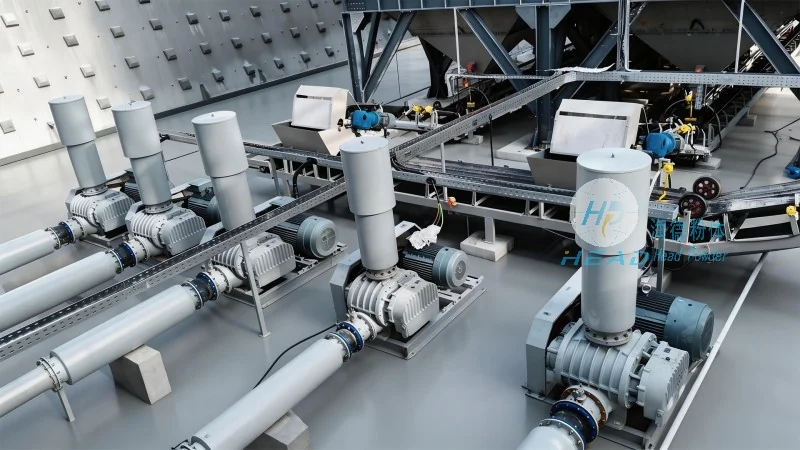
Truck Transport: Advantages and Disadvantages
Truck transport is a flexible and widely used method for transporting sodium chlorate, especially for shorter distances and smaller volumes. This method allows for direct delivery to the customer's location, eliminating the need for additional storage or handling at intermediate points. One of the main advantages of truck transport is its adaptability to various routes and destinations, making it suitable for both urban and remote areas. It also provides greater control over the delivery schedule, enabling timely supply to meet production demands. Truck transport is relatively quick for short to medium distances, reducing lead times and improving operational responsiveness. However, truck transport is subject to traffic conditions and road restrictions, which can affect delivery times and reliability. The risk of accidents, such as spills or leaks, is higher compared to pipeline or rail transport, as the material is exposed during transportation. Additionally, labor costs are higher due to the need for drivers and handling personnel. Environmental concerns also arise from the potential for emissions from diesel engines and the risk of accidents leading to environmental contamination. The cost per unit for truck transport is generally higher than for pipeline or rail transport, especially for large volumes.
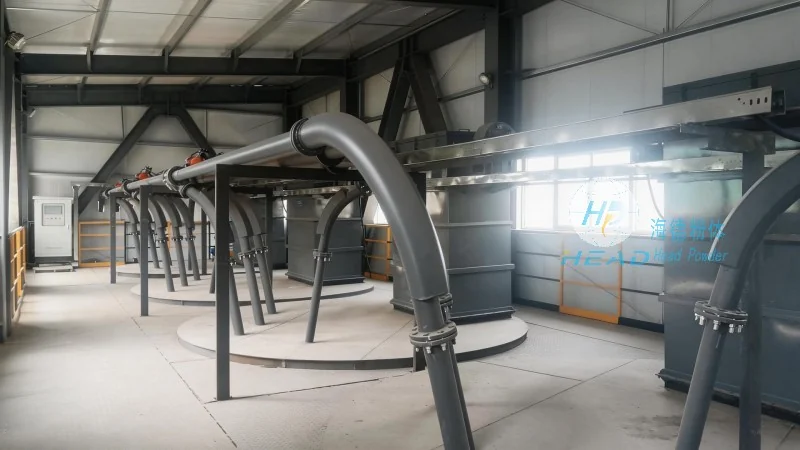
Rail Transport: Advantages and Disadvantages
Rail transport is an efficient method for transporting large volumes of sodium chlorate over long distances, particularly when the destination is accessible by rail. This method combines the advantages of pipeline and truck transport, offering a balance between cost and flexibility. One of the key advantages of rail transport is its ability to handle high volumes at a lower cost per unit compared to truck transport. It also reduces the risk of accidents and spills, as the material is contained within specialized railcars designed for hazardous materials. The system is less affected by traffic congestion and road restrictions, ensuring more reliable delivery times. Rail transport is also environmentally friendly compared to truck transport, as it produces fewer emissions per ton-mile. However, rail transport requires the availability of rail infrastructure and loading/unloading facilities at both the origin and destination. The process can be slower compared to truck transport due to the need for loading and unloading operations. Furthermore, the system is less flexible in terms of route changes or adjustments, as it is constrained by the existing rail network. The cost of rail transport can be higher for shorter distances or when specialized railcars are required.




