Coffee powder material handling systems are specialized industrial equipment designed to transport, store, and manage coffee powder efficiently in various production and processing stages. These systems are essential for coffee processing plants, roasting facilities, and distribution centers, where the handling of fine, hygroscopic powders requires precision, control, and adherence to strict hygiene standards. The primary objective of such systems is to ensure the safe, clean, and efficient movement of coffee powder from storage silos or bins to processing equipment, minimizing product loss, contamination, and operational inefficiencies. By integrating advanced engineering principles and materials, these systems help maintain the quality and flavor of coffee powder, which is critical for meeting consumer expectations and regulatory requirements.
Key Components and Their Functions in Coffee Powder Handling Systems
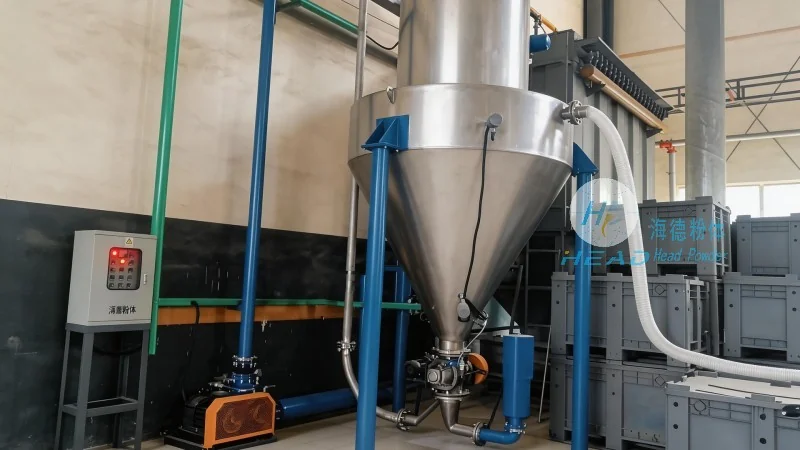
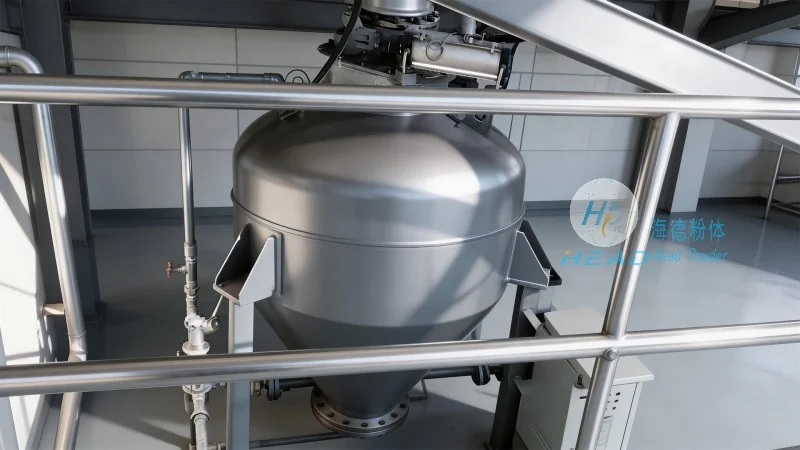
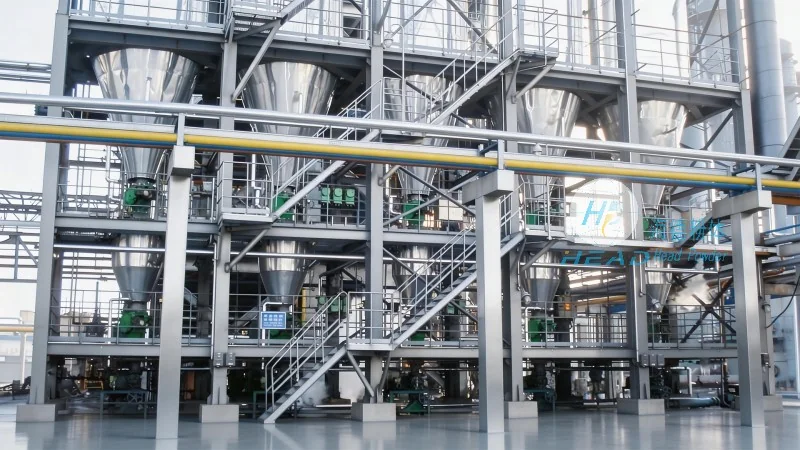
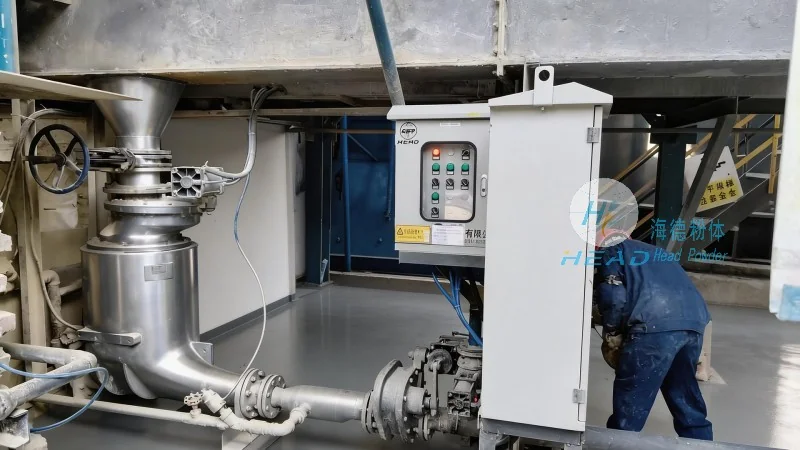
The effectiveness of coffee powder material handling systems relies on the integration of several critical components, each with a specific role in the overall operation. Feeders are the initial components that regulate the flow of coffee powder from storage containers into the conveyor system. They are typically equipped with adjustable speed controls and material sensors to maintain a consistent flow rate, preventing overloading or underloading of downstream equipment. Common types of feeders include rotary valves and vibratory feeders, which are chosen based on the powder’s characteristics and the required flow rate. Conveyors, the core transport components, move the coffee powder through the system. Screw conveyors are widely used due to their ability to handle fine powders without clogging, as the rotating screw pushes the material forward. Belt conveyors are also employed for longer transport distances, providing a continuous and smooth movement of the powder. Pneumatic conveying systems, which use air pressure to transport the powder, offer a dust-free operation and are ideal for applications requiring minimal product contact with equipment. Hoppers, or storage bins, are used to temporarily hold the coffee powder before it is fed into the conveyor. They are designed with sloped sides to facilitate smooth discharge and prevent powder buildup or bridging. Control systems, often including programmable logic controllers (PLCs) and sensors, monitor the system’s performance in real-time. These systems detect blockages, adjust flow rates, and alert operators to any issues, ensuring continuous and reliable operation. Additionally, dust collection and filtration systems are integrated to maintain a clean environment and prevent dust emissions, which is crucial for both worker safety and product quality.
Design Principles for Optimal Coffee Powder Handling
The design of coffee powder material handling systems follows several fundamental principles aimed at maximizing efficiency, product quality, and operational safety. One of the most critical principles is the minimization of powder degradation and agglomeration. Coffee powder is a delicate product, and excessive friction, impact, or moisture exposure can cause it to clump together, reducing its quality and making it difficult to process. To address this, system components are constructed with smooth, non-abrasive surfaces and gentle curves to minimize mechanical stress on the powder. For example, screw conveyors use smooth, polished stainless steel screws to prevent particle damage. Another key principle is the prevention of contamination. Coffee powder is highly susceptible to contamination from moisture, dust, or foreign particles, which can affect its flavor, aroma, and safety. Therefore, systems are designed with sealed hoppers, conveyors, and control panels to maintain a clean environment. Dust collection systems, such as cyclones or bag filters, are integrated to capture and remove airborne particles, ensuring that the powder remains free from contaminants. Energy efficiency is also a primary design consideration. Components are selected for their low energy consumption and durability, reducing operational costs and environmental impact. The system layout is carefully planned to minimize the distance the powder needs to travel, reducing energy usage and improving overall throughput. Additionally, the design emphasizes ease of maintenance and cleaning, with components that can be easily disassembled and sanitized to meet hygiene standards.




