When it comes to handling calcium hydroxide, a critical component in various industrial applications, selecting the right delivery method is paramount. The choice of how to transport this material can significantly impact operational efficiency, safety, and overall cost-effectiveness. This article provides a detailed comparison of common calcium hydroxide delivery methods, examining their advantages and disadvantages to help industrial users make informed decisions.
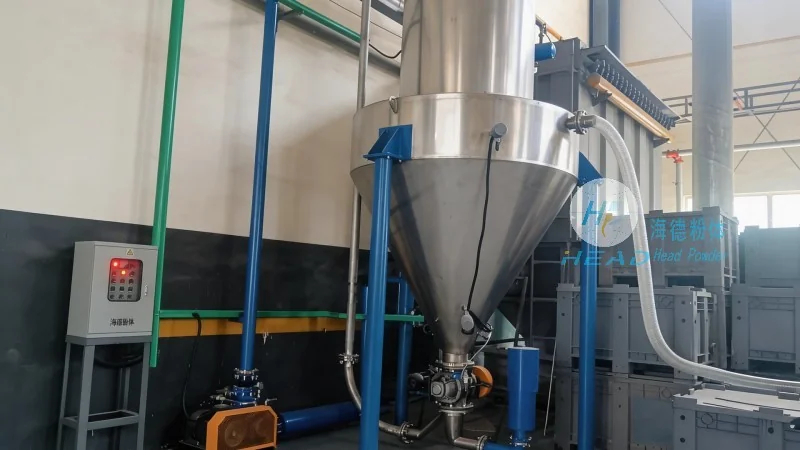
Overview of Calcium Hydroxide and Its Delivery Challenges
Calcium hydroxide, also known as slaked lime, is a white, caustic powder widely used in construction, water treatment, and chemical manufacturing. Its handling requires careful consideration due to its hygroscopic nature and potential for dust generation. The primary goal of any delivery system is to transport this material from storage to processing equipment while minimizing material loss, ensuring worker safety, and maintaining consistent flow rates. Various methods have been developed to address these challenges, each with its own set of benefits and drawbacks.
1. Pneumatic Conveying Systems: Advantages and Disadvantages
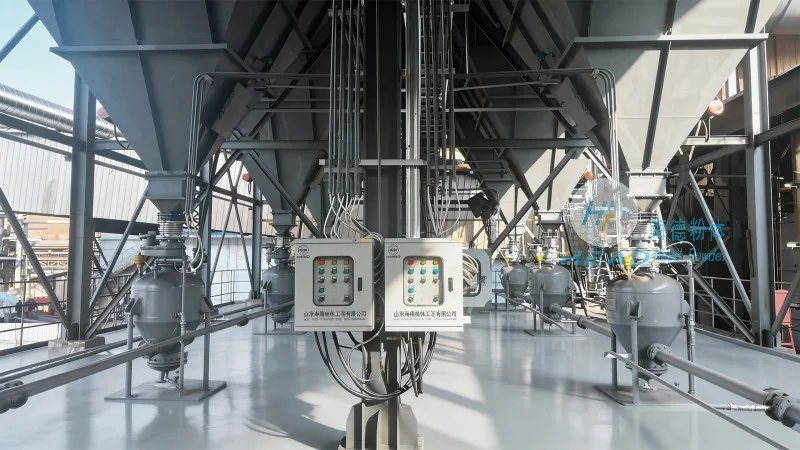
Pneumatic conveying, which uses air or other gases to transport solid materials, is a popular choice for calcium hydroxide delivery. This method offers several advantages, including the ability to transport materials over long distances and through multiple points of use. The system can be designed to handle both dry and slightly moist calcium hydroxide, making it versatile for different applications. Additionally, pneumatic conveyors can be integrated with dust collection systems, reducing environmental impact and improving workplace safety. However, this method also has notable disadvantages. The high velocity of air required to move the material can lead to increased energy consumption, which may raise operational costs. Furthermore, the system is sensitive to variations in material moisture content, as excess moisture can cause blockages or reduce conveying efficiency. The initial investment for a pneumatic system is also higher compared to other methods, and maintenance can be more complex due to the moving parts and air compressors involved.
2. Screw Conveyors: Advantages and Disadvantages
Screw conveyors, or auger conveyors, are another common method for transporting calcium hydroxide. These systems use a rotating screw to move material along a trough. The advantages of screw conveyors include their simplicity and reliability. They are relatively low-cost to install and maintain, and can handle a wide range of material sizes and moisture levels. Screw conveyors also provide a continuous, controlled flow, which is beneficial for processes requiring steady material input. However, there are significant disadvantages to consider. The system is limited in the distance it can effectively transport material, typically ranging from a few meters to around 30 meters. For longer distances, multiple screw conveyors may be required, increasing complexity and cost. Additionally, screw conveyors are prone to material buildup and clogging, especially with hygroscopic materials like calcium hydroxide, which can lead to operational interruptions and increased maintenance needs. The design of the screw and trough must also be carefully considered to prevent material degradation or damage.
3. Pumping Systems: Advantages and Disadvantages
Pumping systems, particularly slurry pumps or positive displacement pumps, are used for transporting calcium hydroxide when it is mixed with water to form a slurry. This method is advantageous for applications where the material needs to be transported in a liquid state, such as in water treatment or chemical processing. The primary benefit is the ability to move the material over long distances with consistent pressure and flow rates. Pumping systems are also efficient for handling high volumes of material and can be integrated with existing piping networks. However, pumping systems have distinct disadvantages. The material must be in a slurry form, which requires additional processing steps, such as mixing with water and possibly adding stabilizers. This increases the complexity of the system and may lead to higher material costs due to water usage and potential waste. Furthermore, the pumps and associated equipment are subject to wear and tear from the abrasive nature of calcium hydroxide, leading to higher maintenance and replacement costs over time. The system is also less flexible for handling dry material and may require additional drying steps if the material needs to be returned to a solid state.
4. Bulk Bag Discharge and Conveying: Advantages and Disadvantages
Bulk bag discharge systems, often combined with conveyor belts or other conveying equipment, are used to transfer calcium hydroxide from bulk bags into processing equipment. This method is advantageous for handling large quantities of material in bulk bags, which are commonly used for storage and transportation. The system allows for efficient unloading of bulk bags without manual handling, reducing labor costs and improving safety. Bulk bag discharge systems can also be integrated with dust suppression and collection systems, minimizing environmental impact. However, there are disadvantages to consider. The system is typically limited to the immediate area around the bulk bag, requiring additional equipment to transport the material to processing points. The initial setup cost for bulk bag discharge systems can be higher, especially when integrating with existing conveyor networks. Additionally, the system may be less efficient for small-scale operations or when frequent material changes are required, as each bulk bag may need to be handled individually.
5. Comparison Summary and Recommendations
Each calcium hydroxide delivery method has its own set of advantages and disadvantages, and the best choice depends on specific operational requirements, such as distance, material characteristics, and budget constraints. Pneumatic conveying is ideal for long-distance transport and dust control but requires higher energy and maintenance costs. Screw conveyors offer simplicity and reliability but are limited in distance and prone to clogging. Pumping systems are efficient for slurry transport but require additional processing steps and higher maintenance. Bulk bag discharge systems are suitable for bulk handling but may be less flexible for small operations. For industrial users, it is crucial to evaluate these factors and consider the long-term operational costs and maintenance requirements before selecting a delivery method. Consulting with experts, such as Shandong HeadPowder Engineering Co., Ltd., can provide valuable insights into the most suitable system for specific applications, ensuring optimal performance and cost-effectiveness.




