Monosodium glutamate (MSG), a widely used flavor enhancer in the food industry, requires efficient and reliable delivery methods to ensure consistent quality and safety during processing. The choice of delivery method significantly impacts production efficiency, cost, and product integrity. This article provides a detailed comparison of common MSG delivery methods, highlighting their advantages and disadvantages to help manufacturers select the most suitable option for their operations. The information is presented by Shandong HeadPowder Engineering Co., Ltd., a leading supplier based in Shandong, China.
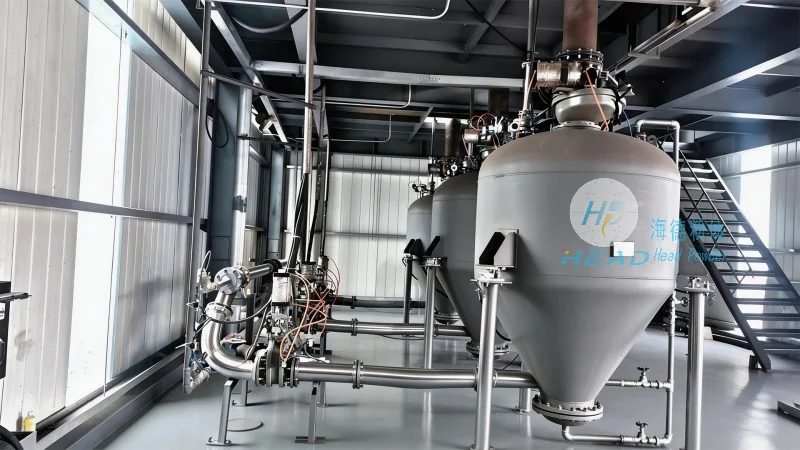
1. Pneumatic Conveying Systems
Pneumatic conveying systems use air or other gases to transport MSG particles through a pipeline. This method is particularly effective for handling dry, free-flowing powders like MSG. One of the key advantages of pneumatic conveying is its ability to transport materials over long distances without the need for mechanical components like conveyors or elevators. It also allows for a relatively compact and flexible setup, which can be advantageous in limited space environments. However, the main drawback is the high energy consumption required to move the material through the system. Additionally, the system may be susceptible to pressure drops and material blockages, which can affect throughput and require regular maintenance. The initial investment for a pneumatic conveying system is also higher compared to other methods, making it less suitable for small-scale operations.
2. Screw Conveyors
Screw conveyors, also known as auger conveyors, are mechanical devices that use a rotating screw to move MSG through a tube or trough. This method is widely used in the food industry due to its simplicity and reliability. Screw conveyors are particularly effective for handling bulk materials and can be used in both horizontal and inclined configurations. The primary advantage is their low maintenance requirements and ability to handle a wide range of particle sizes without causing damage to the material. They are also relatively inexpensive to install and operate compared to pneumatic systems. However, screw conveyors have limitations in terms of the distance they can transport materials efficiently. For long-distance applications, the power consumption increases significantly, and the risk of material degradation or segregation may rise. Furthermore, the system may not be ideal for very fine or cohesive powders, as they can cause blockages or reduce the screw's efficiency.
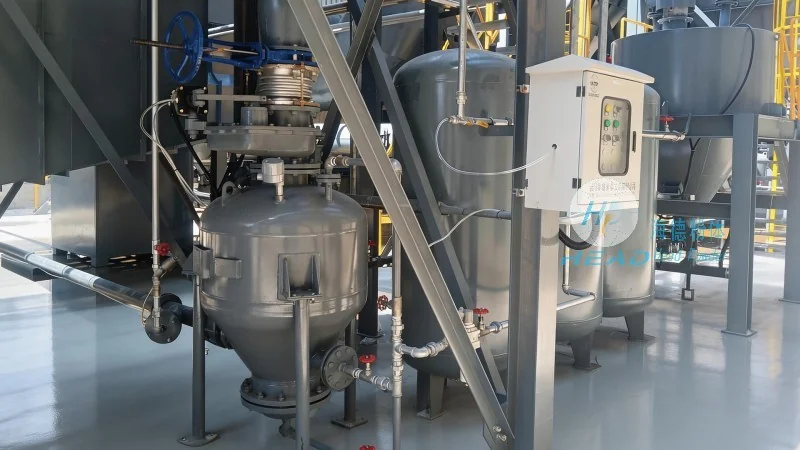
3. Belt Conveyors
Belt conveyors use a continuous belt to transport MSG from one point to another. This method is commonly used in large-scale food processing facilities due to its high capacity and ability to handle heavy loads. The main advantage of belt conveyors is their high throughput and durability, making them suitable for continuous production lines. They can also be easily integrated with other equipment, such as packaging machines or storage silos. However, belt conveyors require more space compared to other methods and may need regular cleaning to prevent material buildup on the belt surface. The initial cost is relatively high, and maintenance, including belt replacement and tension adjustments, can be costly over time. Additionally, the system may not be ideal for very fine powders, as they can cause dust accumulation and affect the belt's performance.
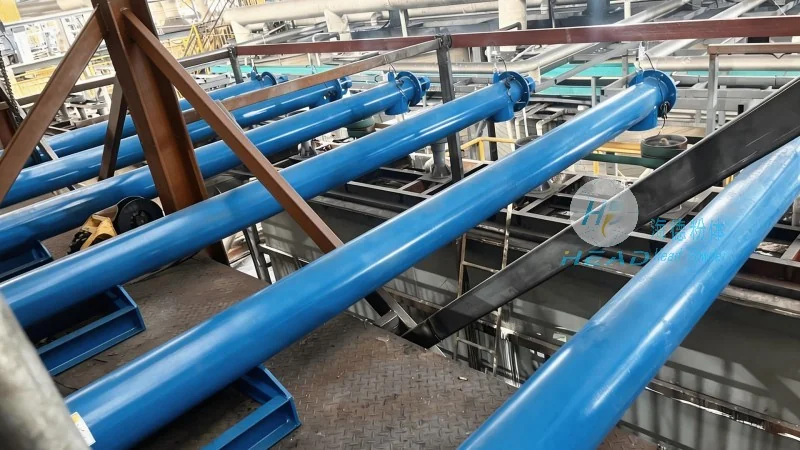
4. Pumping Systems
Pumping systems, particularly positive displacement pumps, are used to transport liquid or slurry forms of MSG. While MSG is typically a dry powder, it can be dissolved or suspended in a liquid medium for certain applications, such as in the production of flavored liquids or beverages. The main advantage of pumping systems is their ability to handle viscous or non-Newtonian fluids, ensuring consistent flow rates and preventing clogging. They are also highly efficient in terms of energy use and can be easily controlled to match production demands. However, the system requires careful preparation of the liquid medium, as any impurities or contaminants can affect the final product quality. The initial setup cost is moderate, but the ongoing maintenance, including pump seals and motor checks, is essential to avoid breakdowns. Additionally, the system may not be suitable for large-scale dry powder applications, as it is more commonly used for liquid or semi-liquid forms.
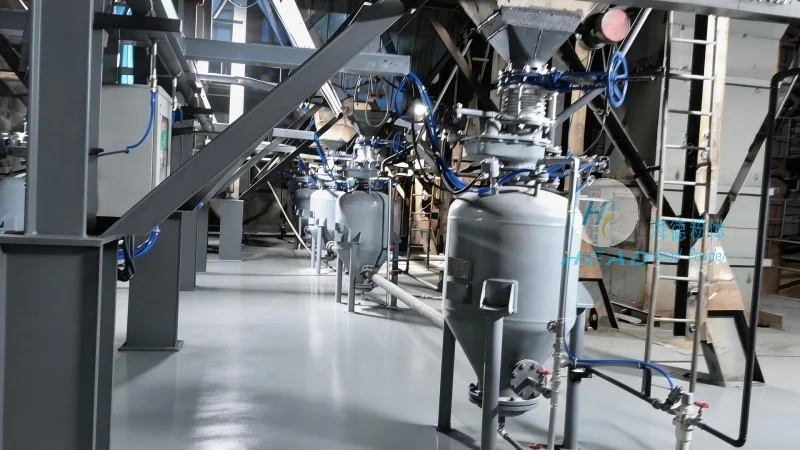
5. Bagging and Packaging Systems
For end-of-line applications, bagging and packaging systems are used to package MSG into bags or containers for distribution. This method is crucial for ensuring product safety and compliance with regulatory standards. The main advantage of these systems is their ability to provide accurate and consistent packaging, reducing waste and improving product traceability. They can also be equipped with features like weight sensors and labeling systems to enhance efficiency. However, the system requires careful calibration to ensure accurate weight measurement and may need regular maintenance to prevent bag jams or leaks. The initial investment is relatively high, and the cost of packaging materials, such as bags or containers, adds to the overall production cost. Additionally, the system may not be suitable for very large-scale operations, as it can be time-consuming to handle high volumes of packaged products.
6. Conclusion: Selecting the Right Delivery Method
Choosing the appropriate MSG delivery method depends on several factors, including the scale of production, the form of MSG (dry or liquid), the required distance of transport, and the available budget. Pneumatic conveying is ideal for long-distance, dry powder transport but requires high energy input. Screw and belt conveyors are suitable for medium to large-scale operations with moderate distances but have space and maintenance considerations. Pumping systems are best for liquid or slurry applications, offering high efficiency and control. Bagging systems are essential for final packaging but involve additional costs and operational complexities. Manufacturers should evaluate their specific needs and consult with suppliers like Shandong HeadPowder Engineering Co., Ltd. to determine the most cost-effective and reliable delivery method for their MSG processing operations. By understanding the pros and cons of each method, companies can optimize their production processes, reduce costs, and ensure consistent product quality.




