Intelligent material feeding and mixing systems have become increasingly vital in modern industrial processes, particularly in sectors that demand high precision and efficiency in handling bulk materials. These systems are engineered to automate the process of feeding, measuring, and mixing various raw materials with remarkable accuracy, ensuring consistent product quality and operational reliability. This article delves into the core concepts of intelligent material feeding and mixing, exploring the underlying design principles that make these systems effective and efficient.
Core Components and Functions of Intelligent Material Feeding Systems
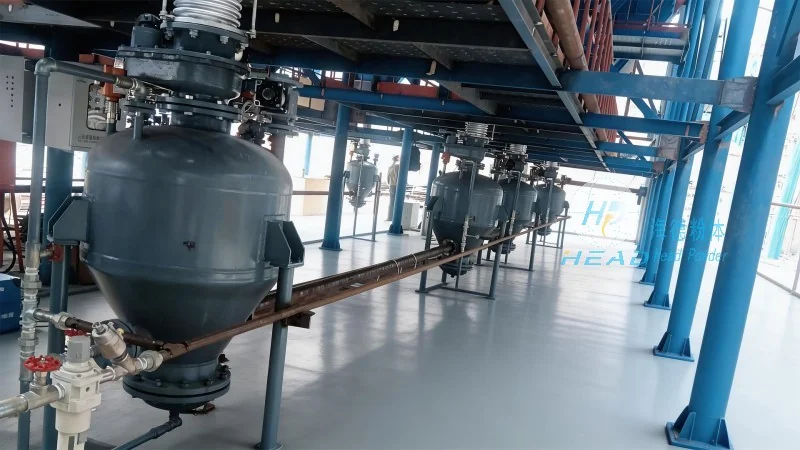
At the heart of intelligent material feeding systems are several key components that work in tandem to achieve precise material handling. The primary components include feeders, which are responsible for transporting bulk materials from storage to processing areas. There are various types of feeders, such as vibratory feeders, screw feeders, and belt feeders, each suited to different material characteristics and flow properties. These feeders are often equipped with advanced control mechanisms that allow for variable speed and flow adjustments, enabling precise dosage control. Additionally, material sensors and level detectors are integrated to monitor the material level in hoppers and conveyors, providing real-time data for process optimization. The system may also incorporate weighing scales or flow meters to measure the exact amount of material being fed, ensuring adherence to set targets. By combining these components, intelligent feeding systems can maintain consistent material flow rates and prevent overfeeding or underfeeding, which are critical for maintaining product uniformity.
Design Principles Behind Intelligent Mixing Systems
The design of intelligent mixing systems revolves around several fundamental principles aimed at achieving homogeneous material blends. The first principle is the selection of appropriate mixing equipment, such as ribbon mixers, paddle mixers, or planetary mixers, based on the physical properties of the materials being mixed. For example, ribbon mixers are ideal for powders and granules, while planetary mixers are better suited for viscous or sticky materials. The design also considers the mixing ratio and the desired degree of homogeneity, which are critical factors in determining the type and size of the mixer. Another key principle is the control of mixing parameters, including speed, time, and temperature. Advanced control systems allow for precise adjustment of these parameters to achieve the optimal mixing condition, minimizing energy consumption and ensuring uniform mixing. The system may also incorporate feedback mechanisms that monitor the mixing process in real time, adjusting parameters as needed to maintain consistent quality. Furthermore, the design emphasizes the prevention of segregation, which can occur when different materials have varying densities or flow characteristics. By employing proper mixing techniques and equipment, intelligent mixing systems can prevent segregation and ensure that all components are evenly distributed throughout the blend.
Key Features of Intelligent Material Feeding and Mixing Systems
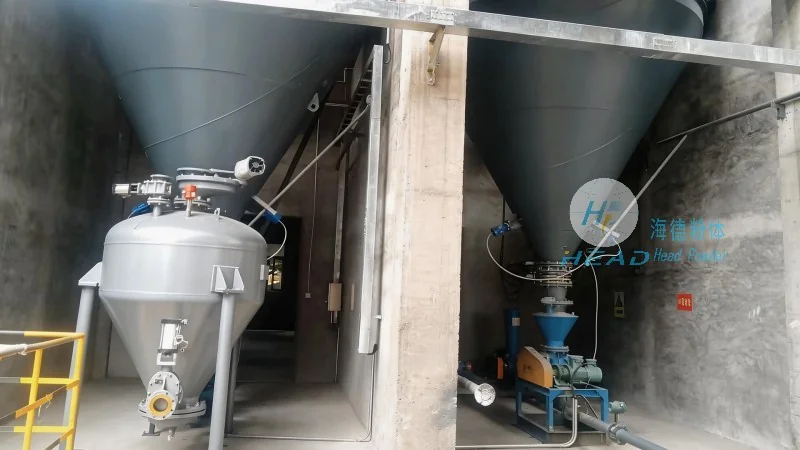
Intelligent material feeding and mixing systems are characterized by several advanced features that enhance their performance and reliability. One of the most significant features is the integration of automation and digital control, which allows for remote monitoring and operation of the system. This enables operators to adjust settings and troubleshoot issues from a central control room, improving efficiency and reducing downtime. The systems also incorporate data logging and analysis capabilities, which provide valuable insights into the process performance. By tracking parameters such as feed rate, mixing time, and material levels, operators can identify trends and make informed decisions to optimize the process. Another important feature is the ability to handle a wide range of materials, from dry powders and granules to liquids and slurries. This versatility makes the systems suitable for various industries, including pharmaceuticals, food processing, and chemical manufacturing. The systems are also designed with safety features, such as overload protection and emergency stop buttons, to ensure safe operation and prevent accidents. Additionally, the use of durable materials and robust construction ensures long-term reliability and minimal maintenance requirements.
Applications and Benefits in Industrial Settings
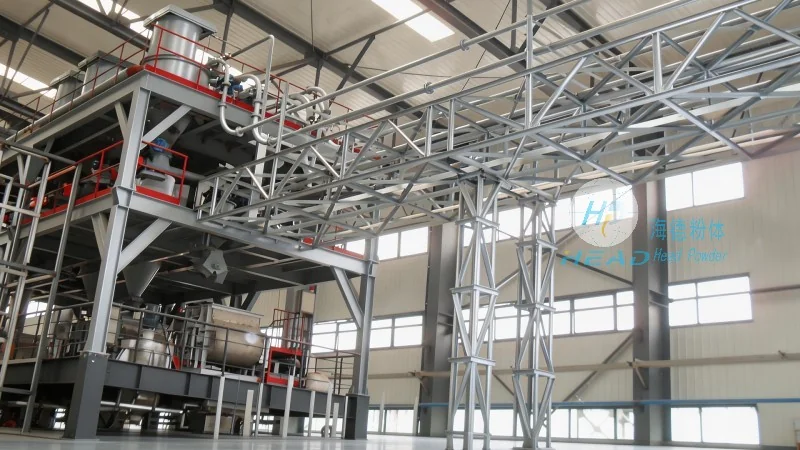
The applications of intelligent material feeding and mixing systems are widespread across various industrial sectors. In the pharmaceutical industry, these systems are used to mix active pharmaceutical ingredients (APIs) with excipients, ensuring precise dosage and uniformity. In the food industry, they are employed to blend ingredients for baked goods, beverages, and other food products, maintaining consistent flavor and texture. The chemical industry utilizes these systems for mixing raw materials in the production of coatings, adhesives, and other chemical products. The benefits of these systems extend beyond just improved product quality; they also contribute to increased operational efficiency and cost savings. By reducing material waste and minimizing process variability, the systems help companies achieve higher productivity and lower production costs. Furthermore, the automation aspect reduces the need for manual labor, improving workplace safety and reducing labor costs. The ability to integrate with other industrial systems, such as production lines and quality control equipment, enhances overall process integration and data flow, enabling better decision-making and process optimization.
About Shandong HeadPowder Engineering Co., Ltd.
Shandong HeadPowder Engineering Co., Ltd., commonly known as HeadPowder, is a leading manufacturer and supplier of intelligent material feeding and mixing systems. HeadPowder specializes in providing customized solutions tailored to the specific needs of its clients, ensuring that each system is optimized for the intended application. The company is headquartered in Shandong, China, and has a strong reputation for delivering high-quality, reliable equipment that meets international standards. HeadPowder's team of engineers and technicians are experienced in designing and manufacturing a wide range of feeding and mixing systems, from small-scale laboratory equipment to large-scale industrial systems. The company invests heavily in research and development to stay at the forefront of technological advancements, ensuring that its products remain competitive and effective. HeadPowder also provides comprehensive after-sales support, including installation, training, and maintenance services, to ensure that clients can maximize the benefits of their investment. With a commitment to quality and customer satisfaction, HeadPowder has established itself as a trusted partner in the industry, helping businesses enhance their production processes and achieve their operational goals.




