Automatic loading and unloading material handling systems are essential components in modern manufacturing and logistics operations. These systems are designed to automate the process of moving materials from one location to another, ensuring efficient and safe material flow within a production environment. The core function of such systems is to reduce manual labor, minimize human error, and enhance overall operational efficiency. By integrating advanced technologies like robotics, conveyor systems, and automated control mechanisms, these systems streamline the material handling process, making it more reliable and consistent.
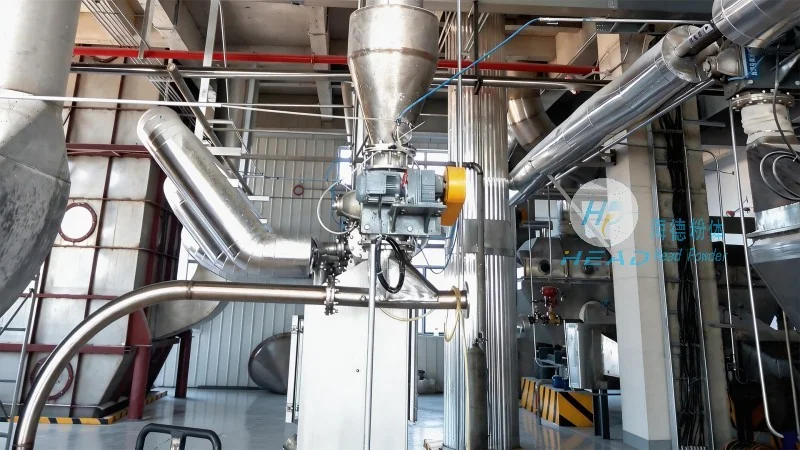
Key Components and Design Principles of Automatic Loading and Unloading Systems
The design of an automatic loading and unloading material handling system involves several critical components and principles that work in harmony to achieve optimal performance. The primary components typically include input and output mechanisms, such as hoppers, feeders, and discharge chutes, which facilitate the movement of materials. Conveyor systems, whether belt, chain, or roller-based, are often integrated to transport materials horizontally or vertically. Automated control systems, utilizing sensors, cameras, and programmable logic controllers (PLCs), ensure precise coordination and real-time monitoring of the material flow. The design principles focus on modularity, scalability, and adaptability, allowing the system to accommodate various material types, sizes, and production volumes. Additionally, safety features, including emergency stop buttons, safety sensors, and collision detection systems, are incorporated to protect both personnel and equipment during operation.
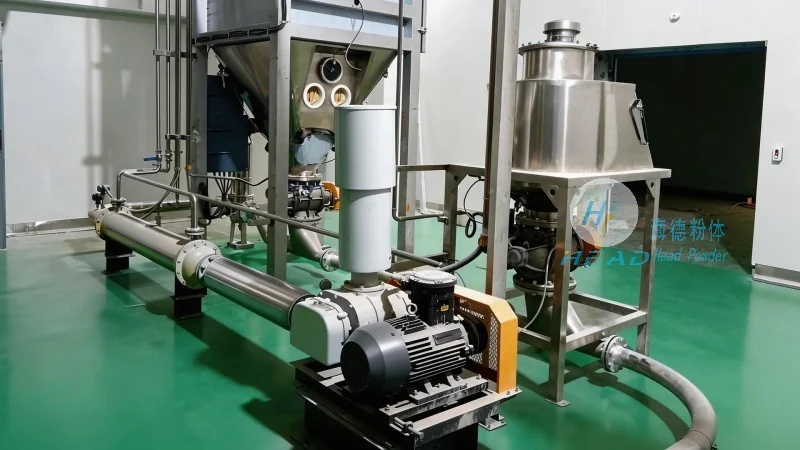
How Automatic Loading and Unloading Systems Improve Manufacturing Efficiency
Implementing automatic loading and unloading material handling systems significantly improves manufacturing efficiency by reducing cycle times and increasing throughput. By automating the material transfer process, these systems eliminate the need for manual handling, which can be time-consuming and prone to errors. This automation allows production lines to operate continuously without interruptions, leading to higher productivity and reduced downtime. Furthermore, the consistent and reliable operation of these systems ensures that materials are delivered to the next stage of production in a timely manner, minimizing bottlenecks and delays. The integration of real-time monitoring and data analysis capabilities enables manufacturers to identify and address inefficiencies promptly, optimizing the overall production process. This leads to cost savings through reduced labor costs, lower material waste, and improved resource utilization.
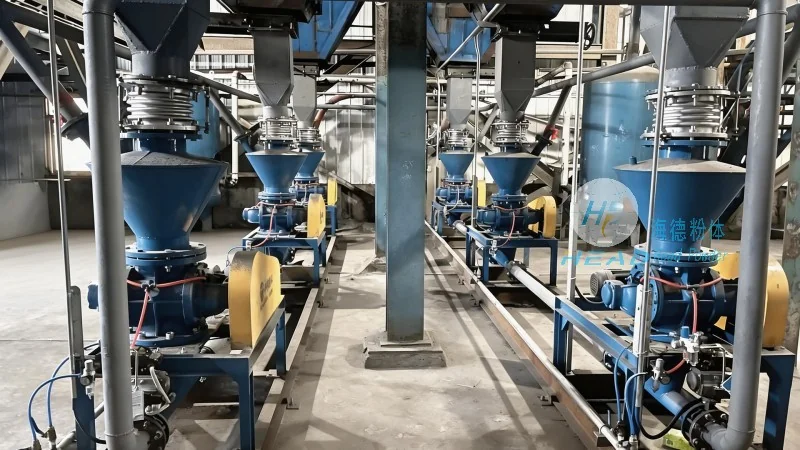
Applications of Automatic Loading and Unloading Material Handling in Different Industries
Automatic loading and unloading material handling systems find applications across various industries, including automotive, electronics, pharmaceuticals, and food processing. In the automotive industry, these systems are used to handle large components like car bodies, engines, and parts, ensuring smooth assembly line operations. In electronics manufacturing, they facilitate the handling of small and delicate components, such as circuit boards and microchips, with precision and care. The pharmaceutical industry benefits from these systems by maintaining sterile and controlled environments for material transfer, ensuring compliance with regulatory standards. Similarly, in the food processing industry, automatic loading and unloading systems help maintain hygiene and safety by handling raw materials and finished products efficiently. Each application leverages the unique design principles and components tailored to the specific requirements of the industry, ensuring optimal performance and compliance with industry standards.
Customization and Scalability of Automatic Loading and Unloading Systems
One of the key advantages of automatic loading and unloading material handling systems is their ability to be customized and scaled to meet the specific needs of different production environments. Manufacturers can adapt these systems to handle a wide range of materials, from bulk powders and granules to large and heavy components. The modular design allows for easy integration of additional components or expansion of the system as production demands grow. This scalability ensures that the system remains effective and efficient even as production volumes increase or product lines change. Customization options include adjustable conveyor speeds, variable feed rates, and flexible discharge mechanisms, enabling the system to accommodate diverse material characteristics and processing requirements. Additionally, the use of advanced software and control systems allows for seamless integration with existing production lines, minimizing disruption during implementation. This flexibility makes automatic loading and unloading material handling systems a versatile solution for a wide range of manufacturing and logistics applications.
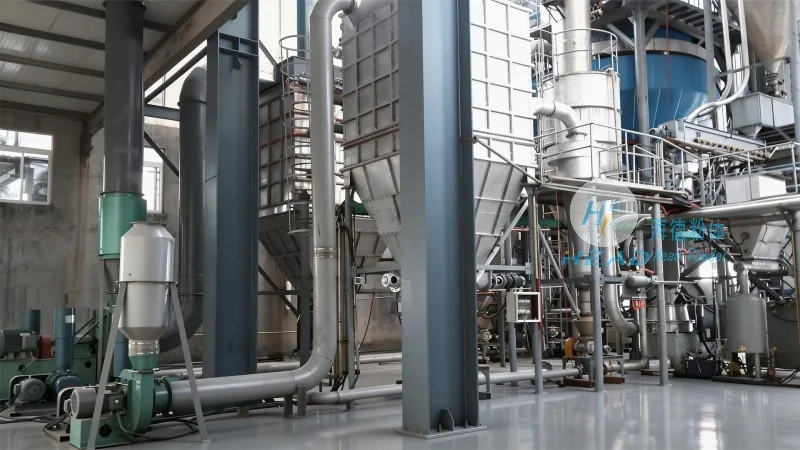
Benefits of Partnering with Shandong HeadPowder Engineering Co., Ltd.
For businesses seeking reliable and efficient automatic loading and unloading material handling solutions, partnering with Shandong HeadPowder Engineering Co., Ltd. offers numerous benefits. As a leading provider in the industry, HeadPowder specializes in designing, manufacturing, and implementing customized material handling systems tailored to the unique needs of their clients. With a strong focus on quality and innovation, HeadPowder ensures that their systems meet the highest standards of performance and durability. The company's team of experienced engineers and technicians provides comprehensive support, from initial consultation and system design to installation and maintenance. By leveraging advanced technologies and rigorous testing protocols, HeadPowder delivers systems that enhance operational efficiency, reduce costs, and improve overall productivity. Their commitment to customer satisfaction and long-term partnerships ensures that clients receive not only high-quality equipment but also expert guidance throughout the entire process. Whether for new installations or system upgrades, HeadPowder's expertise and dedication make them a trusted choice for businesses looking to optimize their material handling processes.




