For businesses seeking to enhance operational efficiency and streamline logistics processes, understanding fully automatic material handling systems is crucial. These advanced solutions represent a significant leap forward in industrial automation, offering seamless and efficient movement of materials within a facility. In this article, we explore the fundamental concepts of fully automatic material handling and delve into the core design principles that underpin these sophisticated systems.
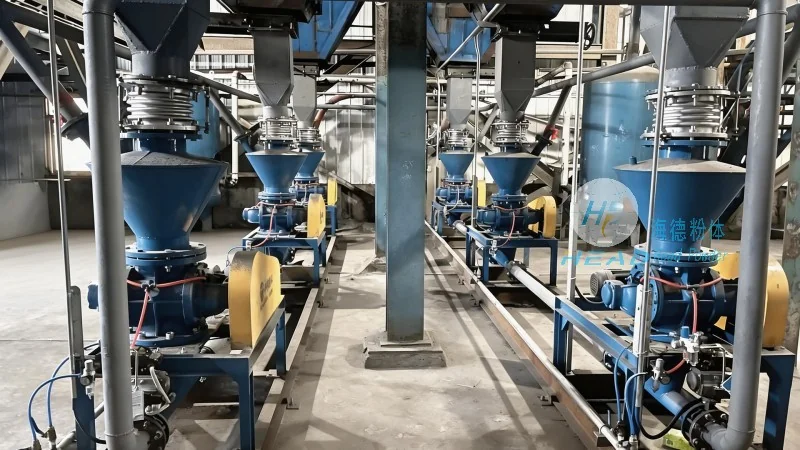
Understanding the Core Concept of Fully Automatic Material Handling
At its essence, fully automatic material handling refers to the use of automated technologies and systems to transport, store, and manage materials without the need for manual intervention. This encompasses a wide range of equipment and processes, from conveyor belts and robotic arms to automated storage and retrieval systems (AS/RS). The primary goal is to optimize workflow, reduce human error, and increase productivity by integrating intelligent control and real-time monitoring capabilities. By eliminating the need for manual labor in material movement, these systems enable businesses to achieve higher throughput, lower operational costs, and improved safety standards.
Key Design Principles Behind Fully Automatic Material Handling Solutions
The design of fully automatic material handling systems is guided by several critical principles that ensure optimal performance and adaptability. First, the principle of integration is paramount, as it involves the seamless coordination of various components, such as conveyors, robots, and software platforms, to create a unified operational ecosystem. This integration allows for real-time data exchange and centralized control, enabling operators to monitor and manage the entire material flow from a single interface. Second, the principle of modularity is essential, as it allows systems to be scaled and customized to meet the specific needs of different industries and applications. Modular designs facilitate easy upgrades and modifications, ensuring that the system can evolve with changing business requirements. Third, the principle of reliability and redundancy is critical, as fully automatic systems must operate continuously without interruption. Redundant components, such as backup power supplies and alternative pathways, are incorporated to minimize downtime and ensure operational continuity. Finally, the principle of adaptability is vital, as modern material handling systems are designed to accommodate diverse materials, shapes, and sizes, making them versatile and applicable across various sectors.
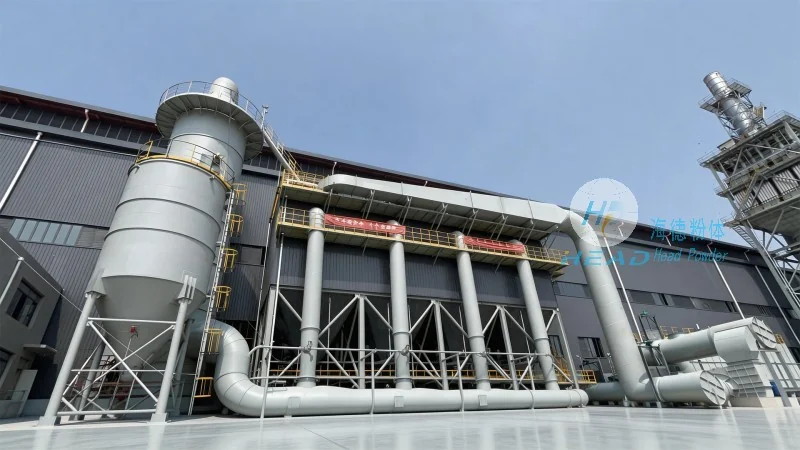
The Role of Advanced Technologies in Modern Material Handling Systems
Advanced technologies form the backbone of fully automatic material handling systems, driving their efficiency and effectiveness. One of the most significant technological advancements is the integration of artificial intelligence (AI) and machine learning (ML) algorithms. These technologies enable systems to learn from operational data, predict maintenance needs, and optimize material flow in real time. For instance, AI-powered sensors can detect anomalies in conveyor performance and trigger preventive maintenance, reducing unexpected breakdowns. Additionally, the adoption of the Internet of Things (IoT) has revolutionized material handling by connecting devices and enabling remote monitoring. IoT sensors provide real-time data on temperature, humidity, and material position, allowing for proactive management and enhanced safety. Furthermore, automation technologies like robotic process automation (RPA) and autonomous mobile robots (AMRs) have transformed material movement by replacing manual labor with intelligent machines. These technologies can navigate complex environments, avoid obstacles, and perform tasks with precision, further enhancing operational efficiency.
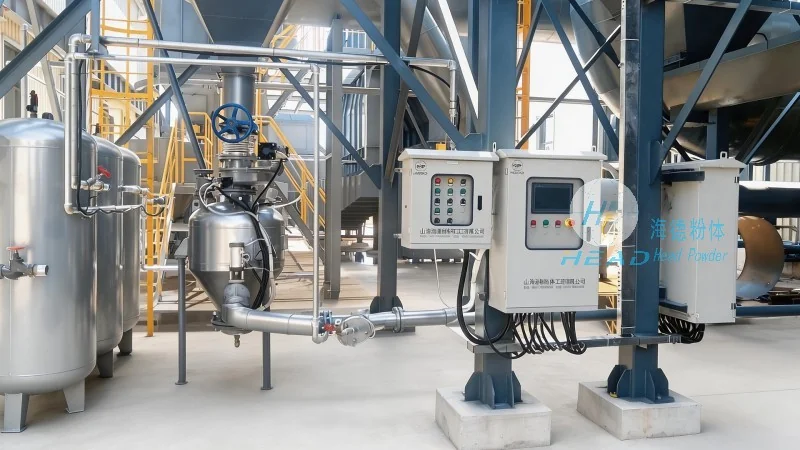
Practical Applications and Benefits of Fully Automatic Material Handling
Fully automatic material handling systems find applications across a wide range of industries, including manufacturing, warehousing, logistics, and healthcare. In manufacturing, these systems are used to transport raw materials to production lines and move finished products to storage or shipping areas. This automation reduces bottlenecks and ensures a smooth flow of goods, leading to increased production rates. In warehousing and logistics, fully automatic systems are employed for inventory management, order picking, and sorting. Automated storage and retrieval systems (AS/RS) can store thousands of items in vertical racks, with robots retrieving and delivering them to workers or shipping docks. This reduces the time and labor required for order fulfillment, improving order accuracy and delivery times. In healthcare, fully automatic material handling is used to transport medical supplies, equipment, and patient records, ensuring that critical resources are readily available when needed. The benefits of these systems extend beyond efficiency, as they also contribute to improved safety by minimizing human exposure to hazardous materials and environments.
About Shandong HeadPowder Engineering Co., Ltd.
Shandong HeadPowder Engineering Co., Ltd., commonly known as HeadPowder, is a leading provider of advanced material handling solutions. With a strong commitment to innovation and customer satisfaction, HeadPowder specializes in designing and manufacturing fully automatic material handling systems tailored to the unique needs of various industries. The company's headquarters is located in Shandong, China, where it leverages state-of-the-art technology and expertise to develop cutting-edge solutions. HeadPowder's team of engineers and technicians work closely with clients to understand their operational challenges and provide customized solutions that enhance productivity and streamline logistics. By combining advanced technologies with practical design principles, HeadPowder delivers reliable and efficient material handling systems that help businesses achieve their operational goals. The company's focus on quality, reliability, and customer support has established it as a trusted partner in the material handling industry.




