Wood dust material handling refers to the process of transporting, storing, and managing wood dust, a fine particulate material commonly generated during woodworking operations. This process is critical in various industries, including furniture manufacturing, woodworking, and woodworking product processing, where efficient handling of wood dust is essential for maintaining operational efficiency, safety, and environmental compliance. The design of wood dust material handling systems involves several key principles that ensure effective and safe operation.
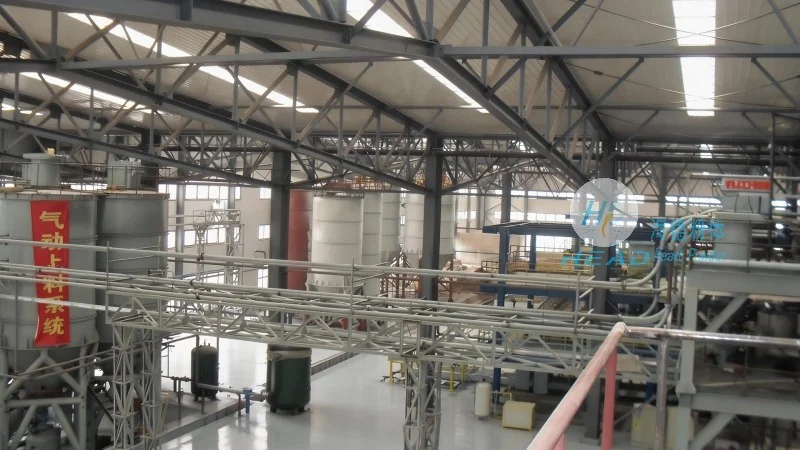
Key Design Principles for Wood Dust Material Handling Systems
The design of wood dust material handling systems is guided by several fundamental principles aimed at optimizing performance, ensuring safety, and minimizing environmental impact. These principles include: efficient dust collection and containment to prevent airborne dust from spreading, the use of appropriate equipment such as dust collectors, conveyors, and storage silos, and the integration of systems that ensure consistent material flow. The choice of equipment and system layout is tailored to the specific characteristics of the wood dust, including its particle size, moisture content, and volume, as well as the operational requirements of the facility. For instance, high-efficiency particulate air (HEPA) filters are often used in dust collection systems to capture fine particles, while pneumatic conveyors may be employed for long-distance transport due to their ability to handle fine powders without clogging. The design also considers the need for proper ventilation and dust extraction at the source of generation, such as sawmills or sanding machines, to minimize dust exposure to workers and the environment.
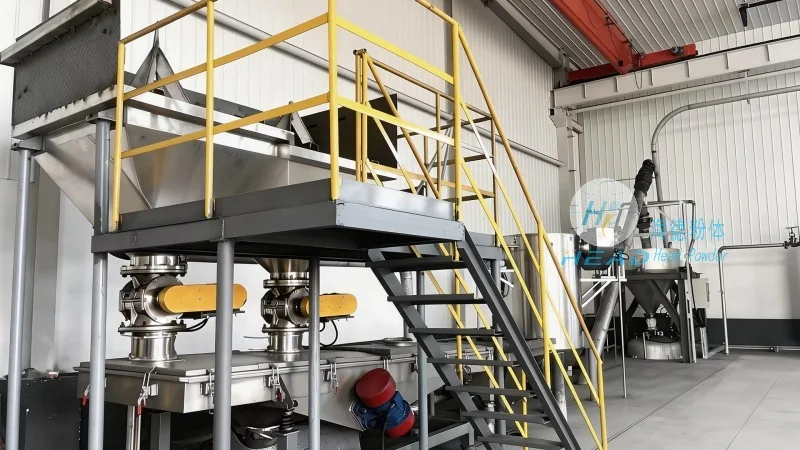
Components of a Typical Wood Dust Material Handling System
A typical wood dust material handling system consists of several interconnected components that work together to achieve efficient material transport and storage. The primary components include: 1. **Dust Collection Units**: These are designed to capture wood dust at the source of generation, such as sawdust from cutting operations or sanding dust from finishing processes. The units typically use high-efficiency filters or cyclones to separate dust from air. 2. **Conveying Systems**: Pneumatic or mechanical conveyors are used to transport the collected dust from the collection units to storage silos or processing areas. Pneumatic conveyors, which use air pressure to move the dust, are particularly effective for fine powders as they minimize clogging and provide consistent flow. 3. **Storage Silos**: These are used to store the collected wood dust, providing a controlled environment that prevents dust from re-entering the air and ensures easy access for downstream processing or disposal. 4. **Control Systems**: Automated control systems are integrated to monitor and regulate the operation of the entire system, ensuring optimal performance and safety. These systems may include sensors to detect dust levels, pressure, and flow rates, as well as alarms and interlocks to prevent overloading or system failures.
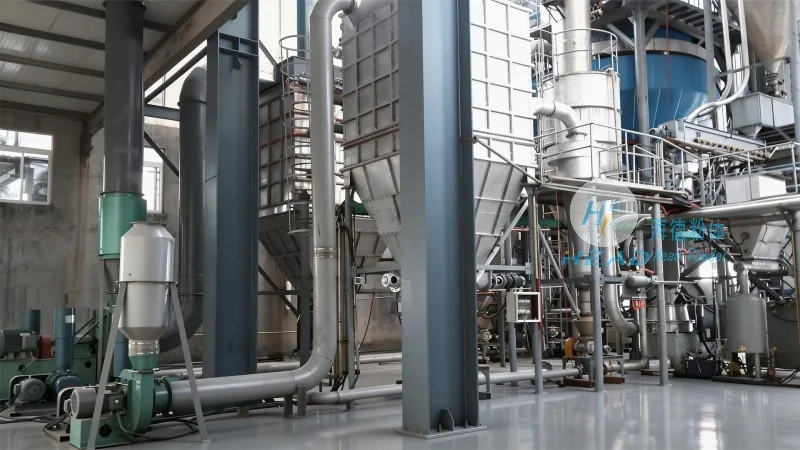
Benefits of Proper Wood Dust Material Handling
Implementing an effective wood dust material handling system offers several benefits for businesses in the woodworking industry. Firstly, it enhances workplace safety by reducing the exposure of workers to airborne wood dust, which can cause respiratory issues and other health problems. Secondly, it improves operational efficiency by ensuring a consistent supply of wood dust for processing, reducing downtime due to dust-related issues. Thirdly, it contributes to environmental compliance by preventing dust from contaminating the air and surrounding environment, which is essential for meeting regulatory requirements. Additionally, proper handling can help in the recovery and reuse of wood dust, reducing waste and lowering production costs. For example, collected wood dust can be repurposed as raw material for composite products, such as particleboard or MDF, thereby reducing the need for virgin wood and enhancing sustainability.
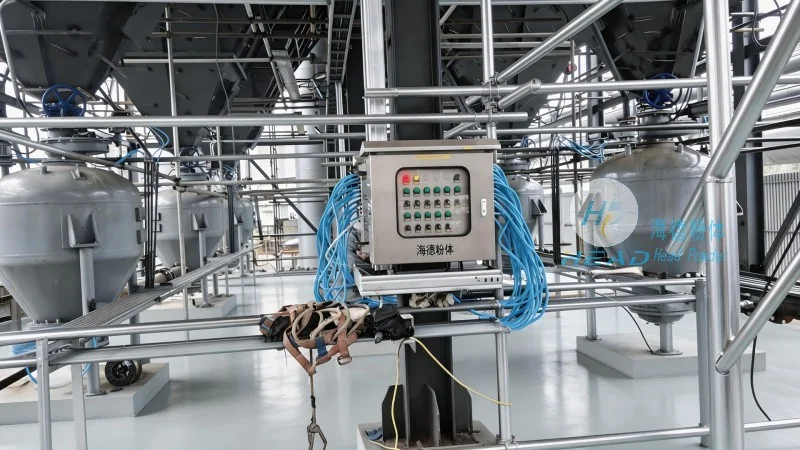
HeadPowder: Expert in Wood Dust Material Handling Solutions
Shandong HeadPowder Engineering Co., Ltd., commonly known as HeadPowder, is a leading provider of specialized equipment and systems for wood dust material handling. With a focus on innovation and customer-centric solutions, HeadPowder has established itself as a trusted partner for businesses seeking to optimize their wood dust management processes. The company’s expertise lies in designing and manufacturing high-quality dust collection systems, pneumatic conveyors, and storage solutions tailored to the unique needs of the woodworking industry. HeadPowder’s products are engineered to meet the highest standards of efficiency, safety, and durability, ensuring long-term performance and reliability. The company’s team of experienced engineers and technicians work closely with clients to understand their specific operational challenges and develop customized solutions that address their unique requirements. Whether it’s a new system installation or the upgrade of an existing one, HeadPowder provides comprehensive support, from initial design and consultation to installation and maintenance. HeadPowder’s commitment to quality and customer satisfaction has made it a preferred choice for many woodworking companies in China and beyond.




