When it comes to transporting coal ash slag, various methods are employed in industrial settings. Understanding the different approaches and their specific applications is crucial for optimizing material handling processes. This article provides an overview of common coal ash slag conveying methods, with a particular focus on the advantages and features of pneumatic conveying systems.
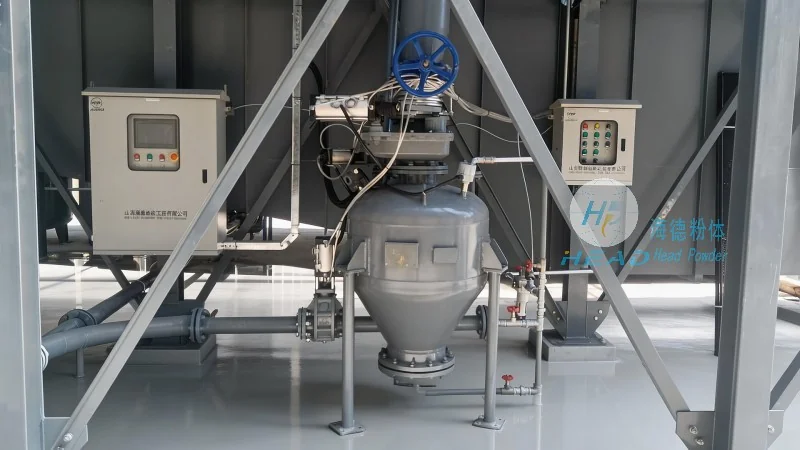
Overview of Coal Ash Slag Conveying Methods
Coal ash slag, a byproduct of coal combustion, requires efficient and reliable transportation from the source to the disposal or utilization site. Traditional methods such as belt conveyors, screw conveyors, and hydraulic systems have been widely used. However, with advancements in technology, pneumatic conveying has emerged as a preferred solution for many applications due to its unique capabilities.
Pneumatic Conveying: A Comprehensive Solution
Pneumatic conveying systems utilize air or gas to transport bulk materials like coal ash slag through a pipeline network. This method offers several advantages over conventional mechanical conveyors. For instance, it eliminates the need for moving parts at the material discharge point, reducing maintenance requirements and operational downtime. Additionally, pneumatic conveying can handle materials with high moisture content or abrasive properties, which may be challenging for other systems.
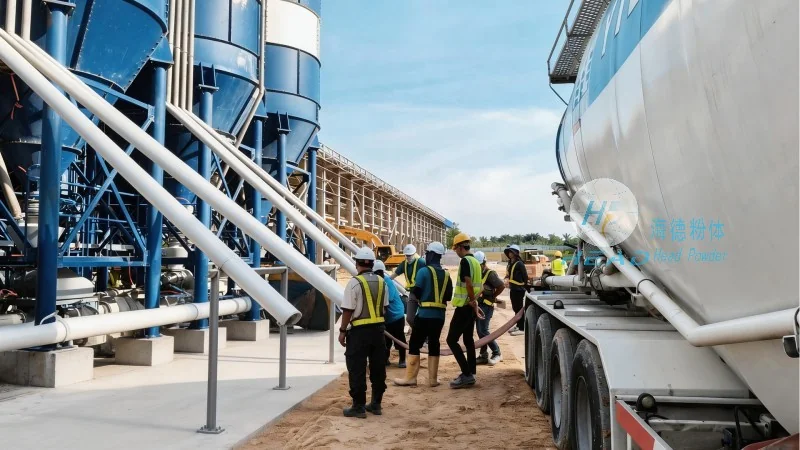
Key Advantages of Pneumatic Conveying for Coal Ash Slag
One of the primary benefits of pneumatic conveying is its ability to transport materials over long distances with minimal loss. The system can maintain consistent flow rates, ensuring steady material delivery to the target location. Furthermore, it allows for the integration of multiple conveying lines, enabling the handling of different materials or the combination of ash and slag streams. This flexibility is particularly valuable in complex industrial setups where space and layout constraints are significant factors.
Features that Enhance Pneumatic Conveying Performance
Modern pneumatic conveying systems incorporate advanced features that enhance their efficiency and reliability. For example, variable speed drives allow operators to adjust the conveying velocity based on the material characteristics and pipeline length, optimizing energy consumption. Additionally, the use of positive displacement blowers or rotary lobe pumps provides consistent air pressure, ensuring smooth material transport without blockages or clogging. These features contribute to a more stable and efficient operation, reducing the risk of system failures and material spillage.
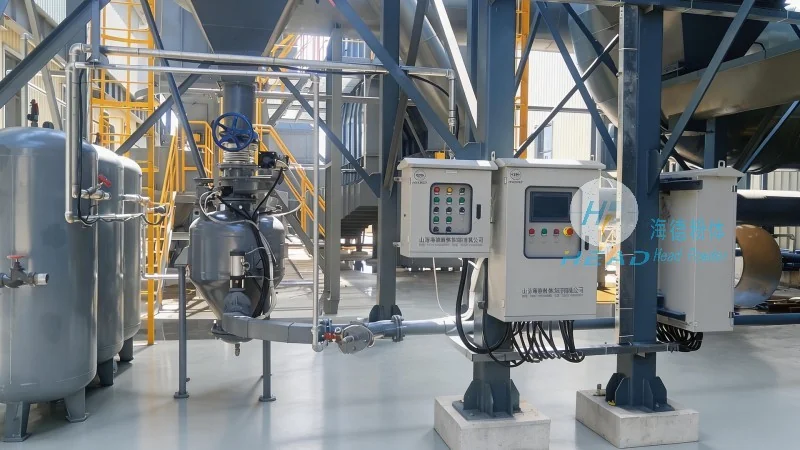
Application Examples in Coal Ash Slag Handling
The effectiveness of pneumatic conveying is demonstrated in various coal ash slag handling scenarios. In power plants, for instance, ash is often collected from boilers and transported to storage silos or disposal sites via pneumatic systems. The ability to handle large volumes of ash at high speeds makes this method ideal for continuous operation. Similarly, in industrial facilities that process coal ash for reuse, such as in cement production or construction materials, pneumatic conveying ensures that the material is delivered to processing units without degradation or contamination.
Conclusion and Company Overview
Coal ash slag conveying methods have evolved significantly, with pneumatic conveying emerging as a robust and efficient solution. The advantages of this technology, including reduced maintenance, flexibility, and ability to handle challenging materials, make it a preferred choice for many industries. As a leading provider in the field, Shandong HeadPowder Engineering Co., Ltd. specializes in designing and manufacturing customized pneumatic conveying systems tailored to the specific needs of coal ash slag handling applications. With a focus on innovation and quality, the company ensures that its solutions meet the highest standards of performance and reliability, supporting sustainable and efficient material management in industrial operations.




