

What is a Barite Powder Material Handling System Equipment? What Are Its Design Principles?
Barite powder, a crucial industrial mineral widely used in oil drilling, medical imaging, and various manufacturing processes, requires specialized equipment for safe and efficient transportation. The barite powder material handling system is engineered to address the unique challenges of handling this fine, dust - prone material, ensuring minimal loss, contamination, and operational hazards. Understanding the equipment and its design principles is essential for industries relying on consistent and reliable barite powder supply.
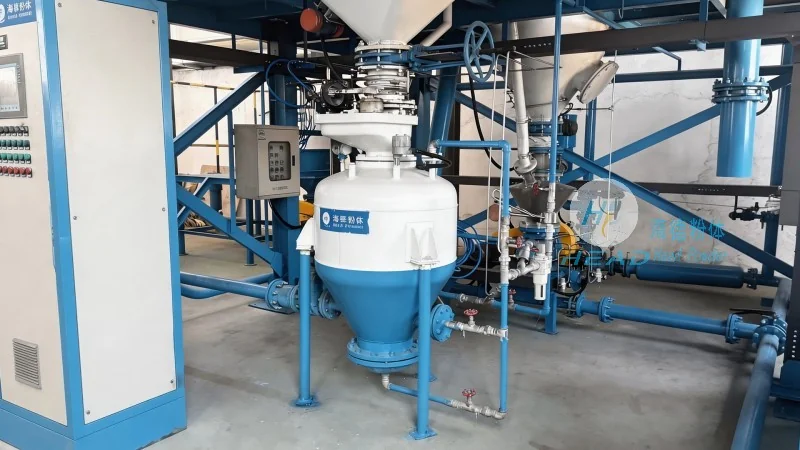
Understanding Barite Powder Material Handling Systems: Equipment and Design Principles
Barite powder, with its fine particle size and tendency to generate dust, demands a system that can handle it without compromising quality or safety. The core of such a system is a combination of equipment designed to feed, convey, separate, and store the powder while maintaining a dust - free environment. Key components typically include feeders, conveyors (like screw conveyors or pneumatic systems), dust collectors, and storage silos. Each component is selected based on the specific properties of barite powder, such as its density, moisture content, and flow characteristics.
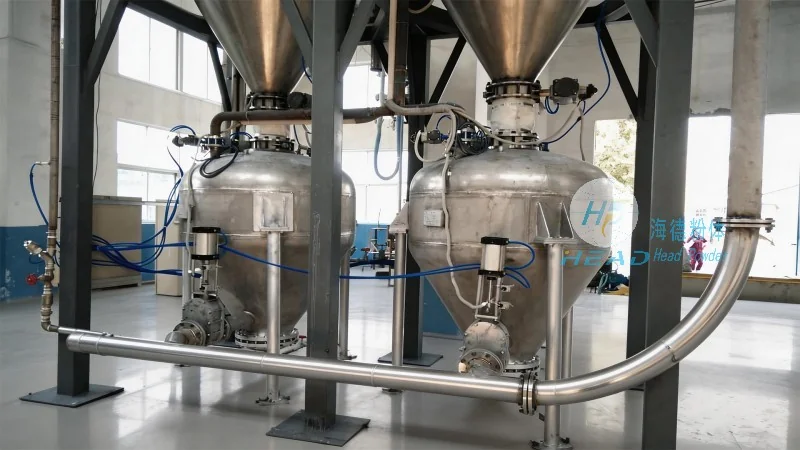
Key Components of Barite Powder Handling Equipment
The material handling system for barite powder begins with a feeder, which evenly distributes the powder to the conveyor. Screw feeders are commonly used due to their ability to handle fine powders without blockages. From there, the powder is conveyed to the processing or storage area. Pneumatic conveying systems are often preferred for long - distance transport, as they can move the powder in a sealed environment, reducing dust emissions. Dust collectors are integral to the system, capturing any airborne particles and returning them to the conveyor to prevent loss and contamination. Storage silos are designed with aeration systems to maintain the powder's flowability and prevent caking.
Design Principles for Efficient Barite Powder Transportation
The design of a barite powder handling system follows several critical principles to ensure efficiency and safety. First, the system must be fully enclosed to prevent dust from escaping into the environment, which is both a health and regulatory concern. Materials used in the construction of the equipment, such as stainless steel or corrosion - resistant alloys, are chosen to withstand the abrasive and corrosive nature of barite powder. The system's layout is optimized to minimize the number of transfers, reducing the risk of material degradation and equipment wear. Additionally, the design incorporates features like vibration or air knives to keep the conveyor surfaces clean and prevent material buildup, which can lead to blockages and operational downtime.
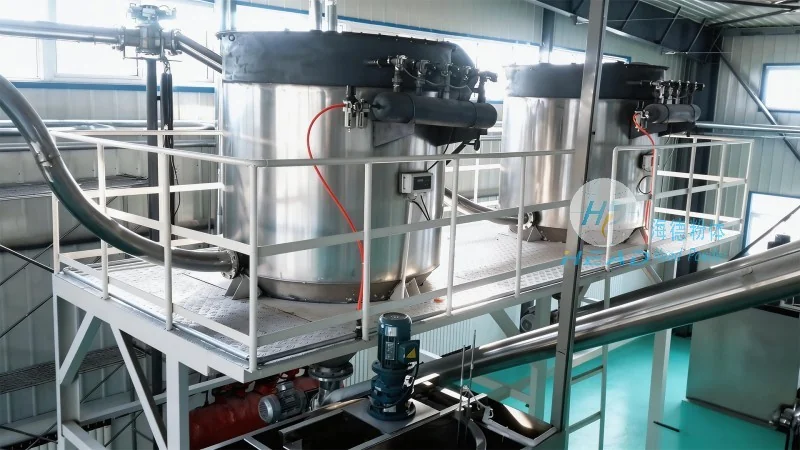
HeadPowder's Expertise in Barite Powder Handling Solutions
Shandong HeadPowder Engineering Co., Ltd., a leading manufacturer of material handling equipment, specializes in providing customized barite powder handling systems. With facilities located in Shandong, China, HeadPowder leverages decades of experience in the industry to design and produce equipment that meets the specific needs of clients. The company's team of engineers works closely with customers to understand their operational requirements, ensuring that the final system is not only efficient but also cost - effective and compliant with industry standards. HeadPowder's commitment to quality and innovation has made it a trusted partner for businesses in the oil, medical, and manufacturing sectors, where reliable barite powder supply is critical to their success.