

What is a glass bead material handling system equipment? What are its design principles?
When it comes to efficient material handling in various industrial applications, the glass bead material handling system equipment stands out as a specialized solution. This equipment is designed to transport and manage glass beads, which are small, spherical particles commonly used in a wide range of industries including coatings, plastics, and ceramics. Understanding the functionality and design principles of such systems is crucial for optimizing production processes and ensuring safety and efficiency in material handling operations.
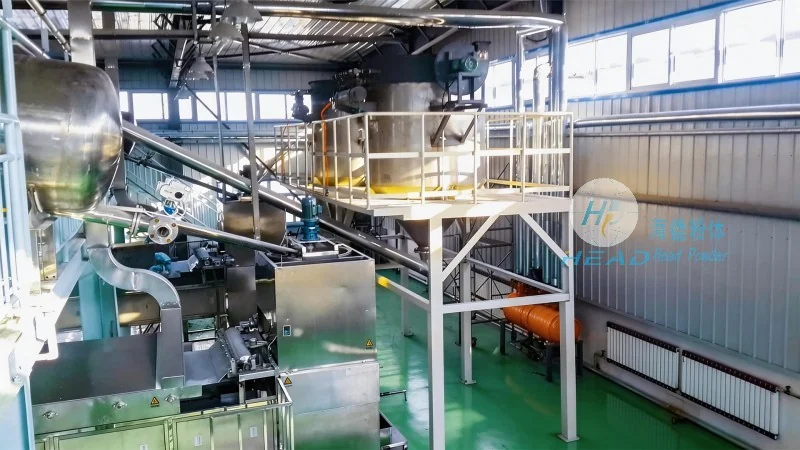
Introduction to Glass Bead Material Handling Systems
Glass bead material handling systems are engineered to handle the unique characteristics of glass beads, which include their small size, irregular flow properties, and potential for dust generation. These systems are typically integrated into larger material handling networks, working in conjunction with other equipment like conveyors, storage bins, and processing machinery. The primary goal of these systems is to ensure the smooth and controlled movement of glass beads from storage to processing or packaging areas, minimizing downtime and maximizing throughput.
Key Components of the Glass Bead Material Handling System
The effectiveness of a glass bead material handling system relies on several key components that work in harmony to achieve optimal performance. These components include:
1. Feeding Mechanisms: These are designed to control the flow of glass beads from storage bins or hoppers into the system. They often incorporate features like vibration or air-assisted feeding to ensure consistent and uniform material flow, preventing blockages and ensuring that the beads move at a controlled rate.
2. Conveying Systems: Conveyors are a central part of the material handling system, transporting glass beads from one location to another. Common types include belt conveyors, screw conveyors, and pneumatic conveying systems. The choice of conveyor type depends on factors such as the bead size, weight, and the distance to be covered. For glass beads, which are lightweight and can generate dust, pneumatic conveying is often preferred as it minimizes contact with moving parts and reduces the risk of contamination.
3. Storage and Dosing Units: These components are responsible for storing the glass beads and dispensing them as needed. Storage bins are typically designed with aeration or venting to prevent dust accumulation and maintain consistent material properties. Dosing units, such as rotary valves or metering pumps, ensure that the correct amount of glass beads is delivered to the processing equipment, maintaining product quality and consistency.

4. Control Systems: Modern glass bead material handling systems are equipped with advanced control systems that monitor and regulate the operation of all components. These systems use sensors and automation to detect changes in material flow, pressure, or temperature, and adjust the system parameters accordingly. This ensures that the system operates efficiently and safely, reducing the risk of equipment failure or material waste.
Design Principles for Efficient Glass Bead Handling
The design of a glass bead material handling system is guided by several key principles aimed at maximizing efficiency, safety, and durability. These principles include:
1. Minimizing Friction and Abrasion: Glass beads are abrasive and can cause wear on equipment components. The design of the system, including the choice of materials for conveyor belts, hoppers, and other parts, is carefully considered to minimize friction and abrasion. This helps to extend the lifespan of the equipment and reduce maintenance costs.
2. Preventing Dust Generation: Glass beads can generate significant dust, which poses health and safety risks. The system design incorporates features such as enclosed hoppers, dust collection systems, and air filtration to minimize dust emissions and maintain a safe working environment.
3. Ensuring Uniform Flow: The design focuses on achieving a consistent and uniform flow of glass beads throughout the system. This is achieved through the use of proper feeding mechanisms, smooth conveyor surfaces, and controlled pressure in pneumatic systems. Uniform flow is essential for maintaining product quality and preventing equipment overload.
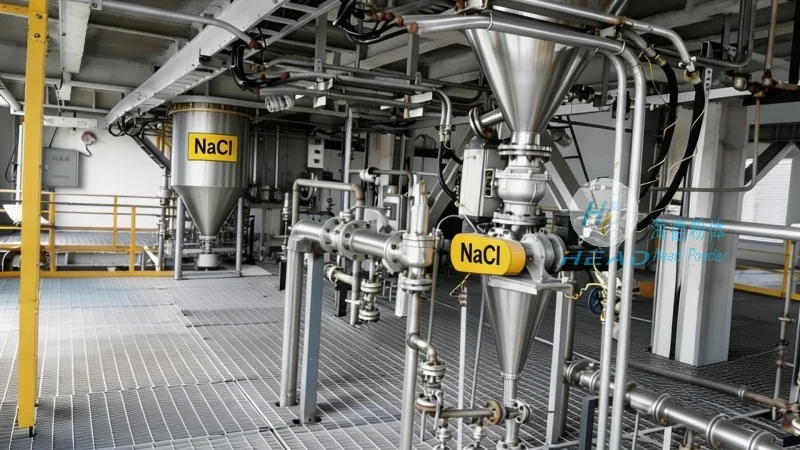
4. Adapting to Material Variations: Glass beads can vary in size, shape, and density depending on the application. The system design allows for flexibility to accommodate these variations. For example, adjustable conveyor speeds, variable dosing rates, and customizable storage bin sizes can be incorporated to handle different bead types and production requirements.
Applications and Benefits of Glass Bead Material Handling Systems
Glass bead material handling systems are widely used in various industries due to their versatility and efficiency. Some common applications include:
1. Coatings Industry: Glass beads are used as additives in paint and coating formulations to improve texture, durability, and reflective properties. The material handling system ensures that the correct amount of glass beads is added to the coating mix, maintaining product consistency.
2. Plastics Manufacturing: In the plastics industry, glass beads are used as reinforcement agents to enhance the strength and stiffness of plastic products. The system efficiently transports the beads to the extrusion or molding equipment, ensuring a uniform distribution of the additive.
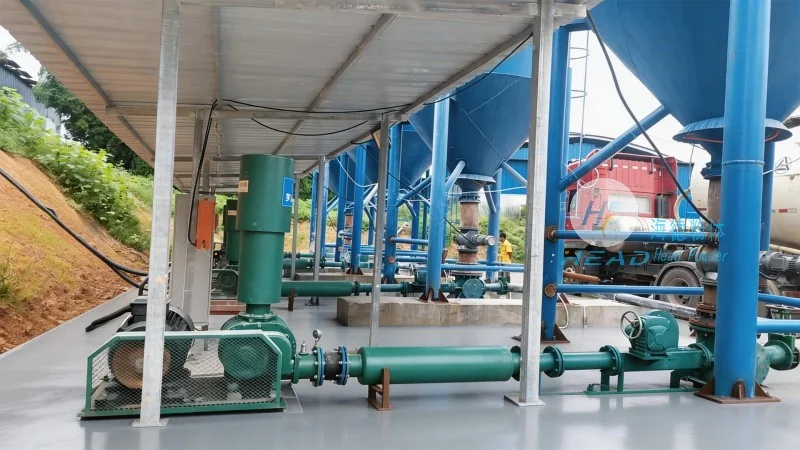
3. Ceramics and Glass Production: Glass beads are used in the production of glass products and ceramics as a raw material or as a finishing agent. The material handling system ensures that the beads are delivered to the production line in a controlled manner, maintaining the quality of the final product.
By implementing a well-designed glass bead material handling system, companies can achieve significant benefits, including improved production efficiency, reduced material waste, enhanced product quality, and a safer working environment. The system's ability to handle the unique characteristics of glass beads makes it an essential component in many industrial processes.
About Shandong HeadPowder Engineering Co., Ltd.
Shandong HeadPowder Engineering Co., Ltd., commonly known as HeadPowder, is a leading manufacturer and supplier of specialized material handling equipment, including glass bead material handling systems. With years of experience in the industry, HeadPowder has developed a reputation for producing high-quality, reliable, and efficient equipment tailored to the specific needs of its clients. The company's headquarters is located in Shandong, China, where it operates a state-of-the-art manufacturing facility and a dedicated research and development team.
HeadPowder's commitment to quality and innovation is reflected in its product design and manufacturing processes. The company adheres to strict quality control standards to ensure that all equipment meets or exceeds industry specifications. Additionally, HeadPowder provides comprehensive after-sales support, including installation, maintenance, and technical assistance, to help clients maximize the performance and lifespan of their material handling systems.
For businesses looking to enhance their material handling capabilities with specialized glass bead systems, Shandong HeadPowder Engineering Co., Ltd. offers a range of solutions designed to meet diverse production requirements. The company's expertise and dedication to customer satisfaction make it a trusted partner in the industrial material handling sector.