

What is a Magnesium Sulfate Powder Pneumatic Conveying Line? Its Design Principles Explained
For industrial applications involving the handling of magnesium sulfate powder, a specialized system known as a pneumatic conveying line is often employed. This equipment is designed to transport bulk powder materials efficiently and safely over long distances or within complex processing facilities. Understanding the fundamentals of such a system, including its design principles, is crucial for optimizing material handling processes and ensuring operational reliability.
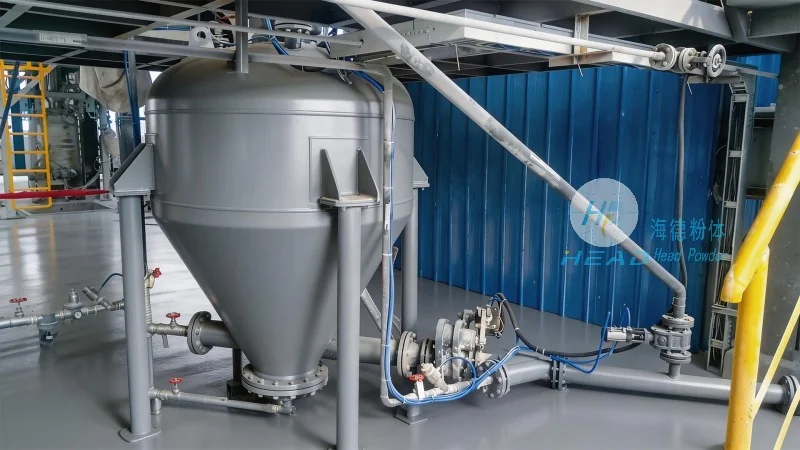
Introduction to Magnesium Sulfate Powder Pneumatic Conveying Lines
A magnesium sulfate powder pneumatic conveying line is a closed-loop system that uses compressed air or other gases to transport dry powder materials, such as magnesium sulfate, from a source to a destination. Unlike traditional mechanical conveyors, which rely on mechanical components like belts or screws, pneumatic conveying systems utilize air pressure to move material through a network of pipes. This method is particularly advantageous for handling fine powders that are prone to dust, caking, or contamination, as it minimizes material degradation and maintains product integrity throughout the transport process.
HeadPowder Engineering: Expert in Industrial Conveying Solutions
Shandong HeadPowder Engineering Co., Ltd., a leading manufacturer based in China, specializes in the design, fabrication, and installation of advanced pneumatic conveying systems. With a focus on precision engineering and customer-specific solutions, HeadPowder provides tailored equipment for various industrial sectors, including chemical processing, pharmaceuticals, and food production. The company’s commitment to quality and innovation ensures that their systems meet the highest standards of performance and safety, making them a trusted partner for businesses requiring reliable powder handling solutions.
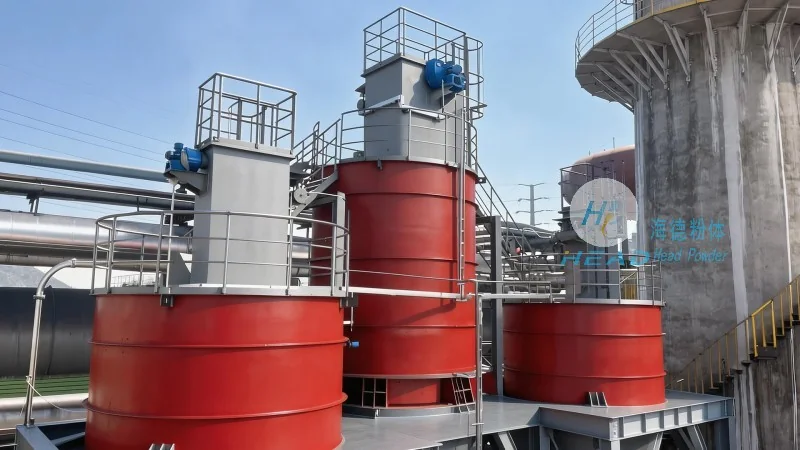
Design Principles of Pneumatic Conveying Systems
The core design principles of a magnesium sulfate powder pneumatic conveying line revolve around the efficient transfer of material using air as the conveying medium. There are two primary types of pneumatic conveying systems: positive pressure and negative pressure. Positive pressure systems generate air pressure at the material source, pushing the powder through the pipeline to the destination. Negative pressure systems, on the other hand, create a vacuum at the receiving end, drawing material from the source through the pipe. The choice between these systems depends on factors such as the distance of transport, the volume of material, and the specific characteristics of the powder being handled.
In a typical positive pressure system, a blower or compressor supplies compressed air to the material feed point. The powder is then mixed with the air, forming a dense or dilute phase stream, depending on the system design. The mixture travels through the pipeline, where it may encounter various components such as bends, expansions, or filters. At the destination, a separator or cyclone separates the powder from the air, allowing the powder to be discharged into a storage bin or processing unit. The air is then filtered and returned to the system, completing the cycle.
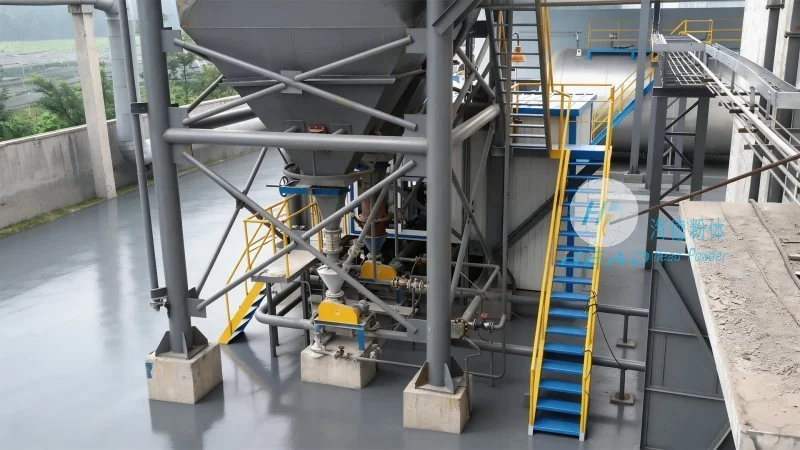
Key Components and Their Functions
Several critical components are integral to the operation of a magnesium sulfate powder pneumatic conveying line. These include the material feeder, which ensures a consistent flow of powder into the system; the air supply unit, which provides the necessary pressure or vacuum; the conveying line itself, which consists of pipes, elbows, and other fittings; and the separation equipment, which separates the powder from the air at the end of the line. Additionally, control systems are often integrated to monitor and regulate the flow of material and air, ensuring optimal performance and preventing system failures.
Advantages of Pneumatic Conveying for Magnesium Sulfate
Employing a pneumatic conveying line for magnesium sulfate offers several advantages over traditional methods. First, it provides a dust-free and enclosed transport process, reducing the risk of contamination and exposure to airborne particles. Second, the system is highly flexible, allowing for changes in the layout or distance of transport without major modifications. Third, it minimizes material degradation, as the powder is not subjected to mechanical stress or friction during transport. Finally, pneumatic conveying systems can be integrated with other processing equipment, enabling seamless material flow from one stage to the next in a production line.
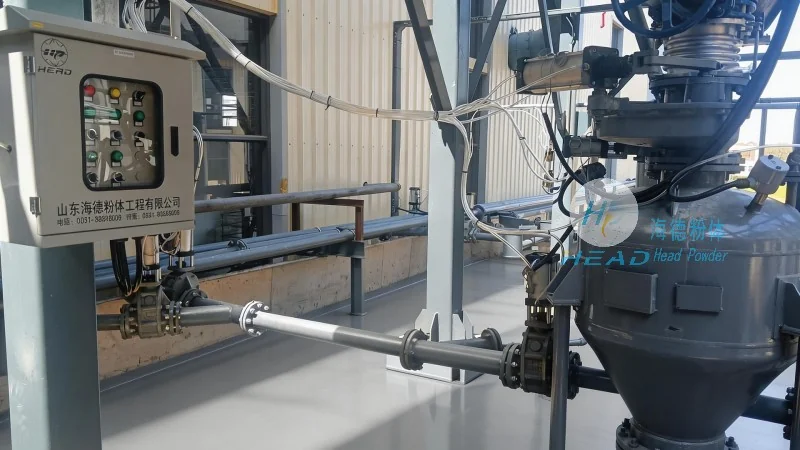
Application Examples and Operational Considerations
Magnesium sulfate powder pneumatic conveying lines are commonly used in various industrial applications, such as the production of fertilizers, food additives, and pharmaceuticals. In these settings, the system is designed to handle large volumes of powder efficiently while maintaining product quality. Operational considerations include maintaining proper air pressure, ensuring the cleanliness of the system, and regular maintenance of components to prevent blockages or leaks. By adhering to these guidelines, businesses can maximize the lifespan and efficiency of their pneumatic conveying systems, ensuring consistent performance over time.
Conclusion: The Importance of Proper Design and Installation
In conclusion, a magnesium sulfate powder pneumatic conveying line is a sophisticated system that leverages air pressure to transport fine powders efficiently and safely. The design principles, including the choice of positive or negative pressure, the selection of appropriate components, and the integration of control systems, are critical to the system’s performance. With expertise from companies like Shandong HeadPowder Engineering Co., Ltd., businesses can implement reliable and effective pneumatic conveying solutions that meet their specific material handling needs. By understanding and applying these design principles, industries can enhance productivity, reduce costs, and maintain the integrity of their magnesium sulfate products throughout the transport process.