

What is a Straw Ash Powder Pneumatic Conveying System? And What Are Its Design Principles?
Straw ash powder pneumatic conveying systems are specialized industrial equipment designed to transport fine powders, such as straw ash, through a pressurized or vacuumed air stream. These systems are crucial in various industrial applications where the efficient and safe handling of powders is essential. The design principles behind these systems are tailored to address the unique challenges associated with transporting fine, potentially abrasive, or dusty materials like straw ash. HeadPowder, a leading manufacturer of industrial conveying solutions, specializes in developing and supplying straw ash powder pneumatic conveying systems that meet the highest standards of efficiency and reliability. Based in Shandong, China, HeadPowder Engineering Co., Ltd. has extensive experience in designing systems tailored to the specific needs of biomass and waste management industries.
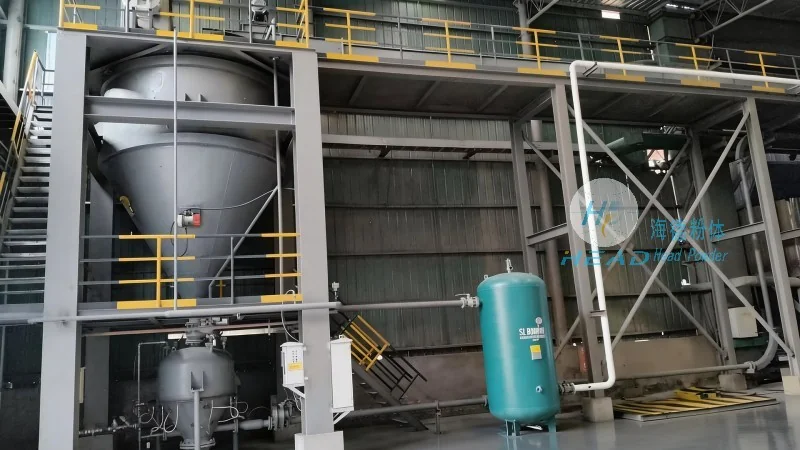
Product Overview: The Role of Straw Ash Powder Pneumatic Conveying Systems
Straw ash, a byproduct of biomass combustion processes, is a fine powder that requires specialized handling to prevent dust emissions and ensure material integrity. Pneumatic conveying systems offer a solution by utilizing air to move the powder from one location to another, often with minimal human intervention. The primary function of these systems is to transport straw ash from sources like storage silos or processing units to destinations such as storage tanks, processing equipment, or waste management facilities. This method of transport is particularly advantageous in environments where traditional mechanical conveyors may be impractical due to the fine particle size or the need to maintain a dust-free environment.
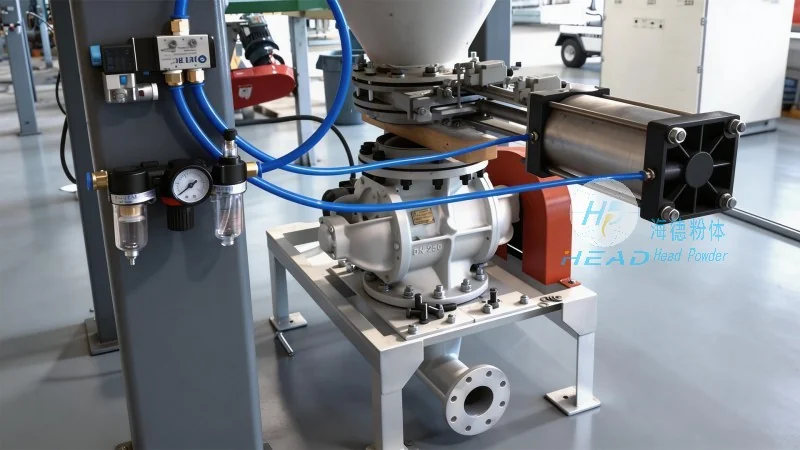
Design Principles for Efficient Straw Ash Powder Pneumatic Conveying
The design of a straw ash powder pneumatic conveying system involves several critical principles to ensure optimal performance, reliability, and safety. These principles are centered around the physics of fluidization, air flow dynamics, and material handling. First, the system must be designed to maintain a consistent air velocity that is sufficient to keep the powder particles suspended in the air stream. This is achieved through the use of appropriate duct sizes, air flow rates, and pressure differentials. The air velocity must be high enough to overcome the gravitational forces acting on the particles but low enough to prevent excessive wear on the system components.
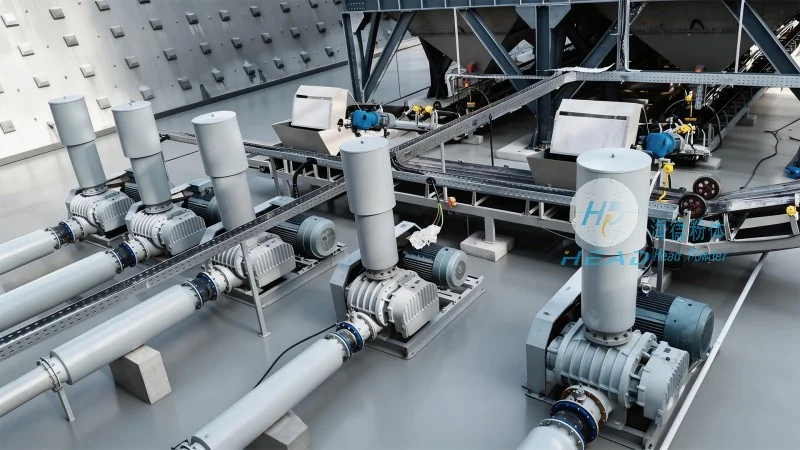
Second, the system incorporates features to minimize particle degradation and agglomeration. Straw ash particles are often fragile and can clump together, which can lead to blockages in the conveying lines. To address this, the design includes elements such as cyclone separators, which help to separate larger particles and prevent them from clogging the system. Additionally, the use of flexible hoses or smooth, non-abrasive ducts reduces the risk of particle breakage during transport.
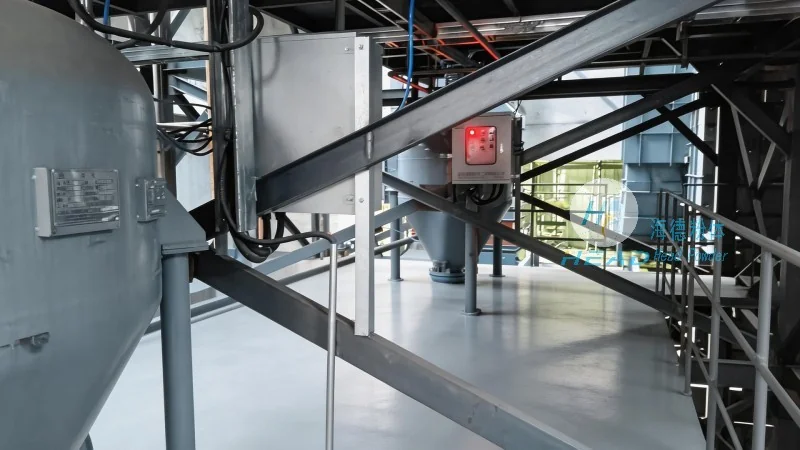
Key Components and Their Function in Straw Ash Powder Pneumatic Conveying
Straw ash powder pneumatic conveying systems consist of several key components, each playing a vital role in the overall operation. The main components include the air compressor or vacuum pump, which generates the necessary pressure or vacuum to move the powder; the conveying line, which is typically made of metal or high-quality plastic to withstand the abrasive nature of straw ash; and the control system, which regulates the air flow and pressure to maintain consistent performance.