

What is a sand powder pneumatic conveyor? What are its design principles?
For industries dealing with bulk materials like sand, the efficient and reliable transportation of these powders is crucial. A sand powder pneumatic conveyor is a specialized system designed to handle the movement of sand and other fine powders through a pressurized or vacuum environment. This technology offers a solution to the challenges of traditional material handling methods, such as conveyor belts or trucks, which may suffer from material degradation, contamination, or operational inefficiencies.
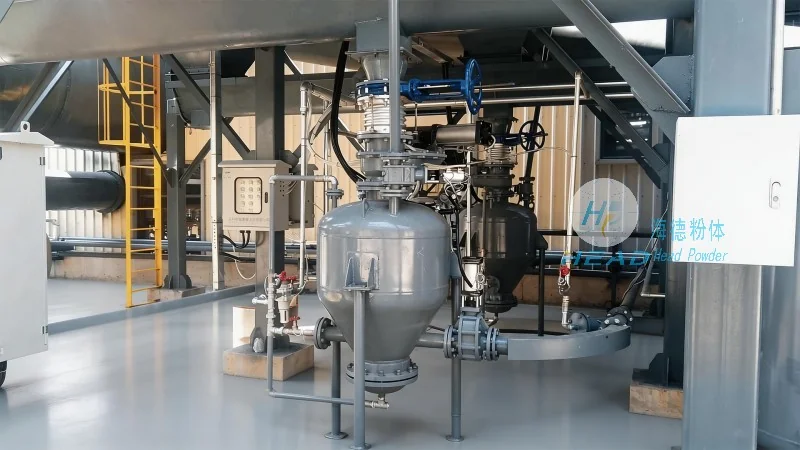
Understanding the Basics of Sand Powder Pneumatic Conveyors
A sand powder pneumatic conveyor operates by using air pressure to transport dry, granular materials. The system typically consists of a hopper for material storage, a conveyor line (either a pipe or a duct), and a control system that regulates the air flow and material movement. The design ensures that the sand particles are suspended in the air stream, allowing them to be transported over long distances with minimal loss or degradation. This method is particularly effective for handling abrasive materials like sand, as it reduces wear and tear on equipment compared to mechanical conveyors.
Key Design Principles Behind the System
The design of a sand powder pneumatic conveyor is built on several fundamental principles that ensure optimal performance and efficiency. First, the system must maintain a consistent air velocity to keep the sand particles in suspension. This velocity is critical; if it's too low, the particles will settle and cause blockages, while too high can lead to excessive energy consumption and equipment wear. Engineers at Shandong HeadPowder Engineering Co., Ltd. carefully calculate the required air velocity based on the particle size, density, and flow rate of the sand being transported.
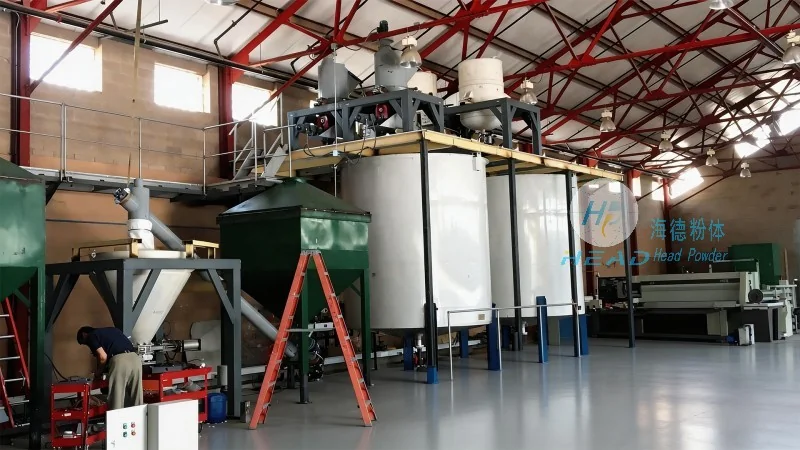
Second, the system incorporates a pressure or vacuum mechanism to move the material. In a pressure system, air is blown into the conveyor line, pushing the sand forward. In a vacuum system, air is drawn out, creating a suction that pulls the material. The choice between pressure and vacuum depends on the application, the distance of transport, and the material characteristics. For sand, pressure systems are often preferred due to their ability to handle larger volumes and longer distances without significant pressure drops.
Components and Their Functions in the Conveyor System
The effectiveness of a sand powder pneumatic conveyor relies on its key components, each playing a vital role in the overall operation. The hopper serves as the initial storage and feeding unit, ensuring a steady supply of sand to the conveyor line. It is designed with a sloped bottom to facilitate material flow and prevent clogging. The conveyor line, usually made of stainless steel or other corrosion-resistant materials, is the core of the system. It must withstand the abrasive nature of sand and maintain airtight seals to prevent air leaks. The air compressor or vacuum pump provides the necessary pressure or suction, while the control valves regulate the air flow and pressure levels. The discharge unit at the end of the line ensures the sand is released in a controlled manner, avoiding spillage or re-entrainment of particles.
Advantages of Using a Sand Powder Pneumatic Conveyor
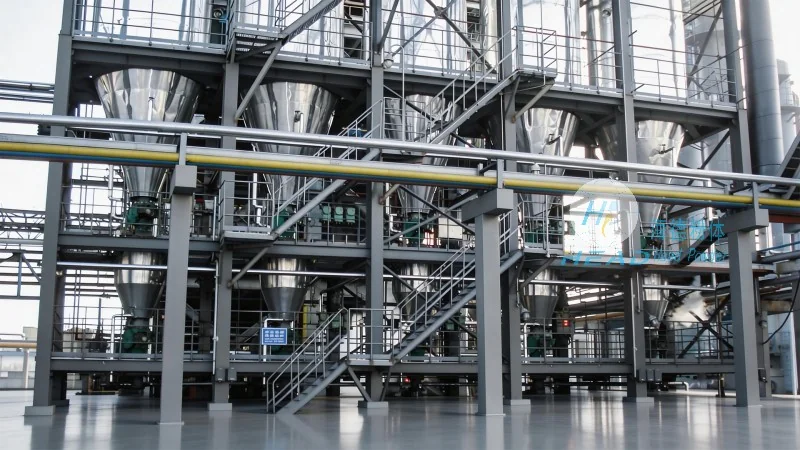
Implementing a sand powder pneumatic conveyor offers several advantages over traditional material handling methods. One of the primary benefits is the ability to transport sand in a closed system, which prevents contamination from external sources and minimizes dust emissions. This is particularly important in industries where product purity is critical, such as food processing or pharmaceutical manufacturing. Additionally, the system allows for the transportation of sand over long distances with minimal energy consumption compared to mechanical conveyors. The lack of moving parts in the conveyor line reduces maintenance requirements and extends the lifespan of the equipment. Furthermore, the system can be easily integrated with other processing equipment, enabling a seamless flow of materials from storage to processing units.
Applications and Industries Where This Technology is Used
Sand powder pneumatic conveyors are widely used in various industries that rely on the handling of fine powders. In the construction industry, they are used to transport sand from storage silos to mixing plants for concrete production. The mining industry utilizes these systems to move sand and other minerals from extraction sites to processing facilities. The chemical industry employs them for transporting sand used in the production of glass, ceramics, and other materials. Additionally, in the agricultural sector, they can be used to transport sand for soil conditioning or in the processing of sand-based fertilizers. The versatility of the system makes it suitable for a wide range of applications, from small-scale operations to large industrial plants.
Customization and Scalability of the System
Shandong HeadPowder Engineering Co., Ltd. understands that each industrial application has unique requirements. Therefore, they offer customized solutions for sand powder pneumatic conveyors to meet specific needs. The company can design systems with varying pipe diameters, lengths, and pressure levels to accommodate different sand volumes and distances. They also provide options for different materials of construction, such as stainless steel or plastic, depending on the corrosive nature of the sand or the environment. The system can be scaled up or down to fit the needs of a small business or a large industrial operation. This flexibility ensures that clients receive a solution that is both efficient and cost-effective, tailored to their specific operational requirements.
Maintenance and Operational Considerations
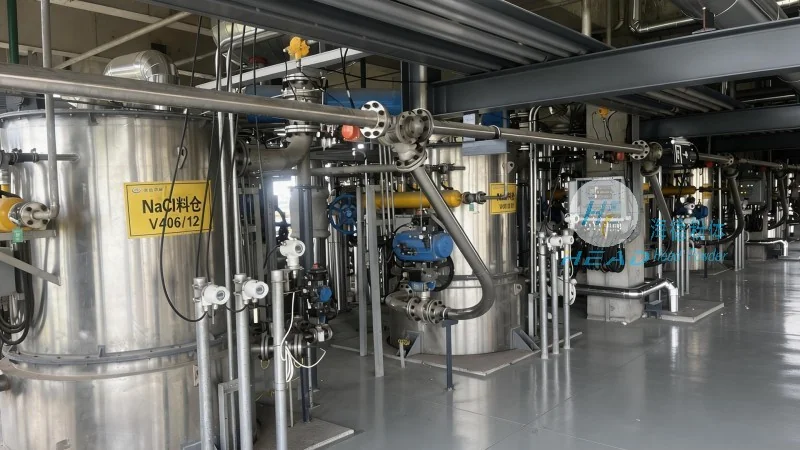
Proper maintenance is essential to ensure the long-term performance and reliability of a sand powder pneumatic conveyor. Regular inspections of the conveyor line for signs of wear or damage are necessary to prevent leaks or blockages. The air compressor or vacuum pump should be checked regularly for proper functioning and lubrication. Filters in the system must be cleaned or replaced as needed to maintain air quality and prevent clogging. The hopper and discharge unit should be inspected for any buildup of sand or debris that could affect the flow. By following a regular maintenance schedule, the system can operate efficiently and minimize downtime. Additionally, operators should be trained on the proper use of the system to ensure safe and effective operation. This includes understanding how to adjust air pressure, monitor flow rates, and handle any potential issues that may arise during operation.
Conclusion: The Role of Sand Powder Pneumatic Conveyors in Modern Material Handling
In conclusion, a sand powder pneumatic conveyor is a sophisticated and efficient system designed to handle the transportation of sand and other fine powders. The design principles, components, and operational considerations all contribute to its effectiveness in various industrial applications. By using air pressure to move materials, this system offers advantages such as reduced contamination, lower energy consumption, and minimal maintenance compared to traditional methods. Shandong HeadPowder Engineering Co., Ltd. specializes in providing high-quality sand powder pneumatic conveyors tailored to the specific needs of their clients, ensuring reliable and efficient material handling solutions. As industries continue to evolve, the importance of efficient material handling systems like these will only grow, making them a vital component in modern industrial operations.