

What is a Clay Powder Pneumatic Conveying Machine? And What Are Its Design Principles?
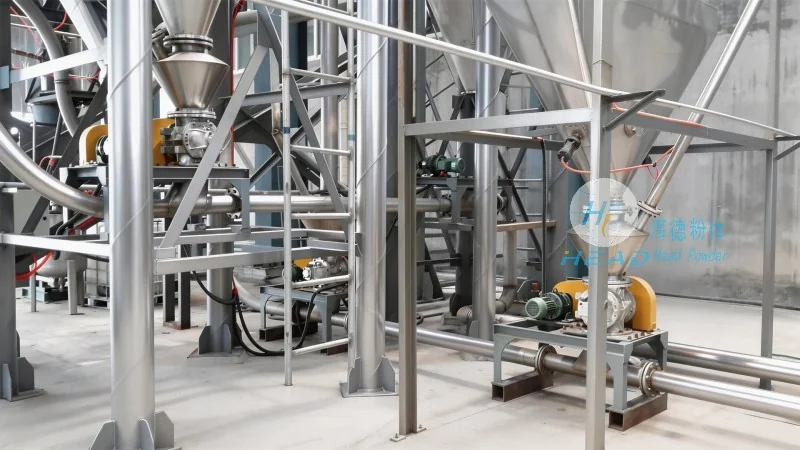
Clay powder pneumatic conveying machines are specialized equipment designed to transport clay powders and other fine particulate materials through a pipeline using air pressure. These machines are essential in various industrial applications where efficient and dust-free material handling is required. The design principles behind these machines are crucial for ensuring optimal performance, reliability, and safety in material transport operations.
Understanding the Core Function of Clay Powder Pneumatic Conveying Machines
At the heart of a clay powder pneumatic conveying system lies the ability to move dry, fine powders like clay from one location to another without the need for mechanical components that might cause wear or contamination. The primary function is to create a flow of material through a pipeline by using compressed air or other gas as the conveying medium. This method is particularly advantageous for materials that are prone to caking, agglomeration, or that require a dust-free environment during transport.
Key Design Principles for Efficient Clay Powder Transport
The design of a clay powder pneumatic conveying machine involves several critical principles that work together to ensure effective material handling. First, the system must generate sufficient air velocity to overcome the gravitational forces acting on the powder particles. This is achieved through the use of blowers or compressors that provide the necessary pressure and flow rate. The air velocity must be high enough to keep the particles suspended in the air stream but not so high as to cause excessive pressure drops or energy consumption. Shandong HeadPowder Engineering Co., Ltd. specializes in designing such systems that are tailored to the specific properties of clay powders, ensuring optimal performance for each application.
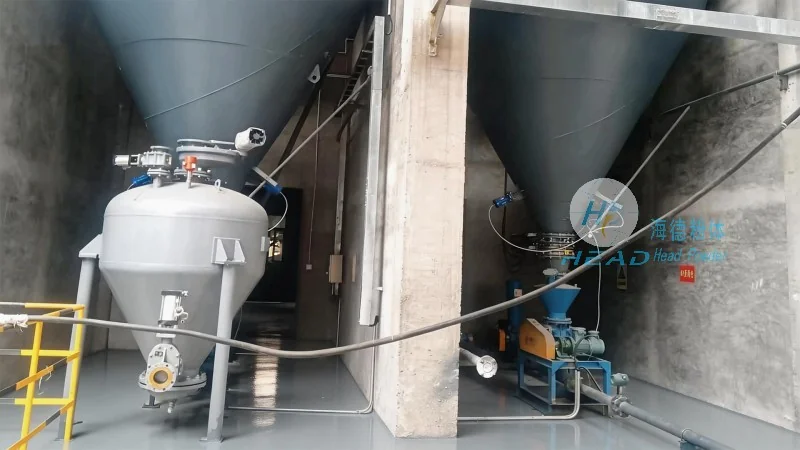
Second, the design must consider the particle size and density of the clay powder. Different clay types have varying properties, and the conveying system must be tailored to match these characteristics. For example, finer clay particles may require higher air velocities to maintain suspension, while coarser particles might need larger duct sizes to prevent blockages. The system also incorporates features such as in-line mixers or agitators to prevent particle settling and ensure consistent flow. HeadPowder's engineers carefully analyze the material's characteristics to select the appropriate equipment and pipeline dimensions.
Third, the machine is designed with materials that are compatible with the clay powder and the conveying air. Corrosion-resistant materials are often used for the pipeline and components to prevent degradation from the clay's acidic or alkaline properties. Additionally, the system includes filters and cyclones to separate the powder from the air at the receiving end, ensuring that the material is collected in a clean and dry state. This design minimizes environmental impact and maintains product quality. The company's commitment to using high-quality materials ensures the longevity and reliability of their conveying systems.
Components and Operational Mechanisms
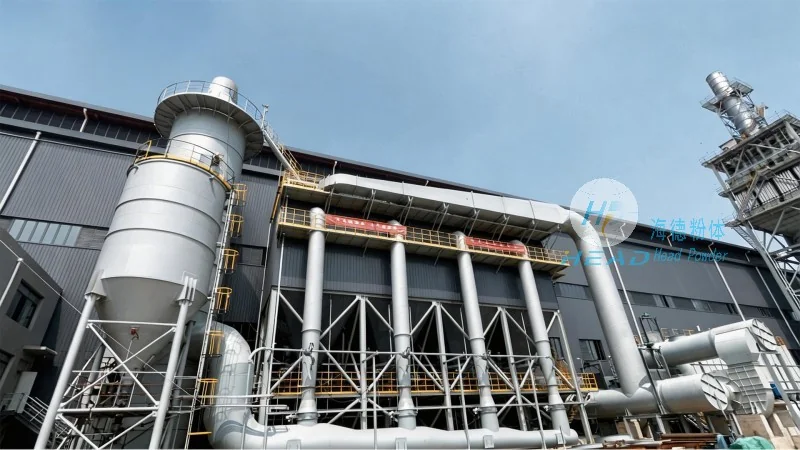
A typical clay powder pneumatic conveying machine consists of several key components that work in tandem. The main parts include the material hopper, which holds the clay powder; the air supply system, which provides the compressed air; the conveying pipeline, which transports the material; and the receiving hopper or silo, where the material is deposited. The material is fed into the hopper and then drawn into the pipeline by the air flow created by the blower. As the air and powder mixture travels through the pipeline, it passes through any necessary in-line equipment, such as mixers or valves, before reaching the receiving end.
The air supply system is a critical component, as it must generate enough pressure to overcome the resistance in the pipeline and the weight of the powder. The blower or compressor used is typically selected based on the required air volume and pressure, which are determined by the characteristics of the clay powder and the distance it needs to be transported. The pipeline design is also important, with smooth, non-porous surfaces to minimize friction and pressure losses. Elbows, bends, and other fittings are carefully designed to maintain the air velocity and prevent particle deposition.
Advantages and Applications of Clay Powder Pneumatic Conveying Machines
Clay powder pneumatic conveying machines offer several advantages over traditional mechanical conveying methods. One of the primary benefits is the ability to transport materials in a dust-free environment, which is crucial for maintaining product quality and worker safety. The system also reduces the risk of material contamination from external sources, as the entire process is enclosed. Additionally, these machines can handle a wide range of clay types and particle sizes, making them versatile for various industrial applications.
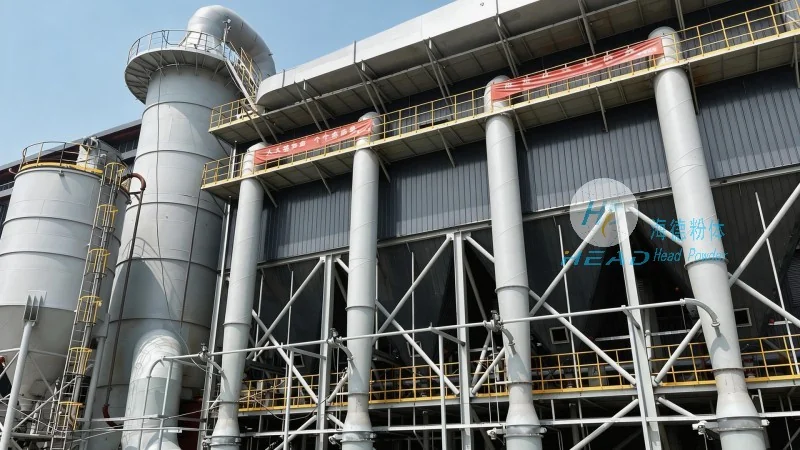
These machines are widely used in industries such as ceramics, construction, and pharmaceuticals, where clay powders are a key raw material. In the ceramics industry, for example, clay is transported from storage silos to production lines without the need for manual handling, improving efficiency and reducing labor costs. In construction, clay-based materials are used in the production of bricks and tiles, and pneumatic conveying ensures that these materials are delivered to the production site in a clean and consistent manner.
In the pharmaceutical industry, the dust-free nature of pneumatic conveying is particularly important, as it helps maintain the purity of the clay powder, which may be used as an excipient or filler in drug formulations. The system's ability to handle fine powders without agglomeration or contamination makes it ideal for applications where product quality is paramount.