For industrial operations involving the handling of fine powders like pearl sand, pneumatic conveying systems offer an efficient and effective method to transport materials over distances. Pearl sand, a type of fine silica sand with spherical particles, is widely used in various industries including glass manufacturing, foundries, and as a filtration medium. The design of a pneumatic conveying system for pearl sand must consider several key factors to ensure optimal performance, reliability, and cost-effectiveness.
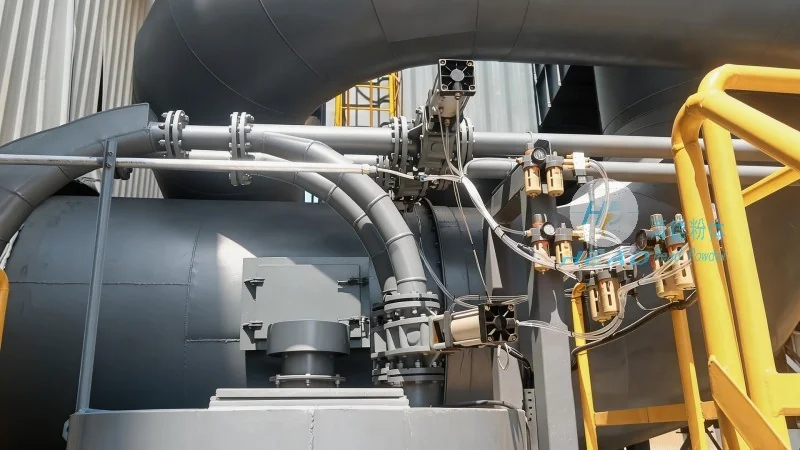
Pneumatic Conveying Basics and Its Application to Pearl Sand
Pneumatic conveying uses a pressurized or vacuum system to move bulk materials through a pipeline using air or gas as the conveying medium. In the case of pearl sand, which is typically a dry, free-flowing powder, a positive pressure system is commonly employed. This system involves blowing air or a mixture of air and other gases through the pipeline, creating a flow that transports the sand particles. The efficiency of this process depends on factors such as particle size, density, moisture content, and the system's pressure and velocity.
HeadPowder Engineering: A Leader in Pneumatic Conveying Solutions
Shandong HeadPowder Engineering Co., Ltd., a prominent company based in China, specializes in the design, manufacturing, and installation of advanced pneumatic conveying systems tailored to the needs of various industries. With a focus on innovation and customer satisfaction, HeadPowder has established itself as a trusted partner for businesses requiring reliable material handling solutions. The company's expertise lies in understanding the unique characteristics of different materials, including pearl sand, and designing systems that maximize throughput while minimizing operational costs and maintenance requirements.
Design Principles for Pearl Sand Pneumatic Conveying Systems
The design of a pneumatic conveying system for pearl sand involves several critical principles that ensure the system operates efficiently and safely. First, the selection of the appropriate conveying method—whether positive pressure, negative pressure, or a combination—depends on the specific application and the distance over which the material needs to be transported. Positive pressure systems are generally preferred for long-distance or high-volume transport as they offer better control over the flow and reduce the risk of material degradation.
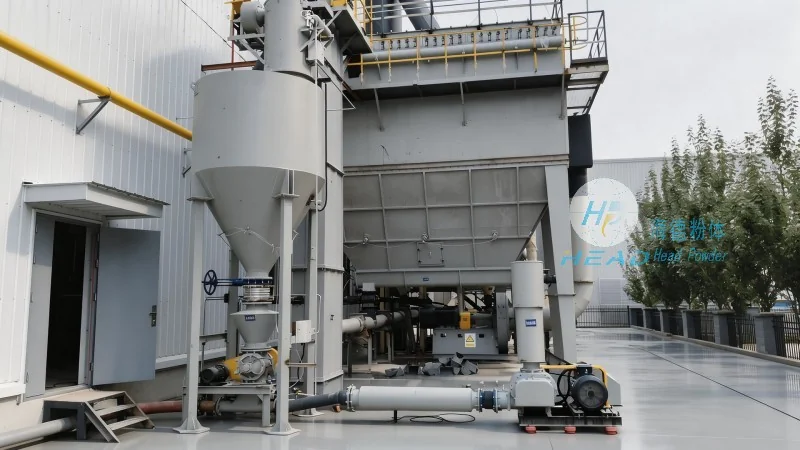
Second, the pipeline design is crucial. The diameter and length of the pipeline must be optimized to maintain the required air velocity and pressure drop. For pearl sand, which has a relatively low bulk density, a larger pipeline diameter may be necessary to ensure sufficient air flow and prevent particle settling or blockages. The use of smooth, corrosion-resistant materials such as stainless steel or PVC is essential to prevent material buildup and ensure long-term system performance.
Key Components and Their Role in the System
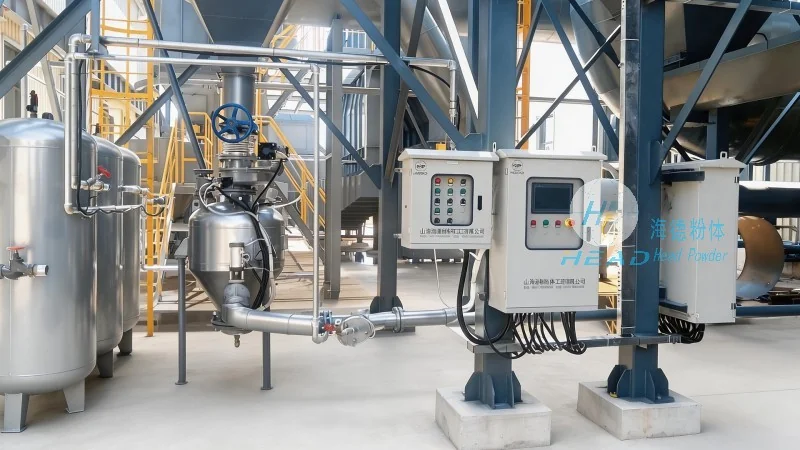
A typical pneumatic conveying system for pearl sand includes several key components, each playing a vital role in the overall operation. The primary components are the air compressor or blower, which provides the necessary pressure to move the material; the hopper or feeder, which stores and feeds the pearl sand into the system; the pipeline, which transports the material; and the receiver or discharge unit, which collects the material at the destination.
The air compressor or blower is responsible for generating the pressure required to convey the sand. The choice of compressor depends on the system's pressure and flow requirements. For pearl sand applications, a high-efficiency blower or compressor is often used to minimize energy consumption and operating costs. The hopper or feeder must be designed to handle the specific characteristics of pearl sand, such as its flowability and potential for bridging or caking. A well-designed feeder ensures a consistent flow of material into the pipeline, preventing surges or interruptions that could affect system performance.
System Performance and Optimization
The performance of a pneumatic conveying system for pearl sand is evaluated based on several parameters, including throughput, pressure drop, and system efficiency. Throughput refers to the amount of material transported per unit time, which is a critical factor for industrial operations. The pressure drop across the system indicates the energy required to move the material and is influenced by factors such as pipeline length, diameter, and the properties of the pearl sand.
Optimizing the system involves balancing these parameters to achieve the best possible performance. For example, increasing the air velocity can improve throughput but may also lead to higher energy consumption and increased wear on system components. Conversely, reducing the air velocity may lower energy costs but could result in lower throughput or even system blockages. The design must therefore consider the specific requirements of the application and the characteristics of the pearl sand to find the optimal operating point.
Advantages and Considerations in Pearl Sand Pneumatic Conveying
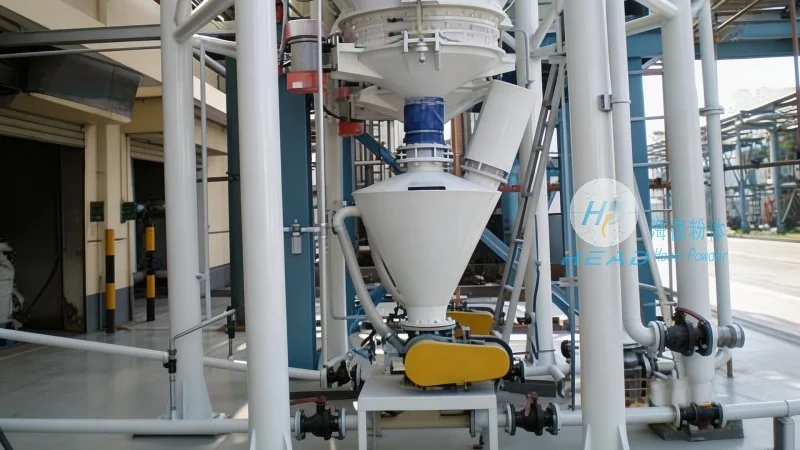
Pneumatic conveying systems for pearl sand offer several advantages over traditional methods such as bucket elevators or belt conveyors. These include the ability to transport materials in a closed system, reducing dust emissions and environmental impact. The system also allows for the transport of materials over long distances without the need for multiple transfer points, which can improve operational efficiency and reduce downtime. However, there are also considerations to keep in mind, such as the potential for material degradation due to high air velocities or the need for regular maintenance to prevent blockages or wear.
Additionally, the design must account for the specific properties of pearl sand, such as its particle size distribution and moisture content. Fine particles may require higher air velocities to prevent settling, while moisture can affect the material's flowability and increase the risk of caking. Proper system design and maintenance are essential to mitigate these issues and ensure the long-term reliability of the pneumatic conveying system.
Conclusion
In conclusion, pneumatic conveying is an effective method for transporting pearl sand, and the design of such systems requires careful consideration of various factors, including the material's properties, system requirements, and operational constraints. Companies like Shandong HeadPowder Engineering Co., Ltd. play a crucial role in providing tailored solutions that meet the specific needs of industrial applications, ensuring efficient and reliable material handling. By understanding the design principles and key components of pneumatic conveying systems, industries can optimize their operations and achieve better performance and cost savings.




