Lithium fluoride (LiF) is a widely used chemical compound in various industrial applications, and the efficient handling of this material is crucial for maintaining production efficiency and safety. Pneumatic conveying is a key technology for transporting such materials, offering advantages over traditional methods like bulk handling and mechanical conveying. This article explores the concept of lithium fluoride material pneumatic conveying and delves into the fundamental design principles that underpin its successful implementation.
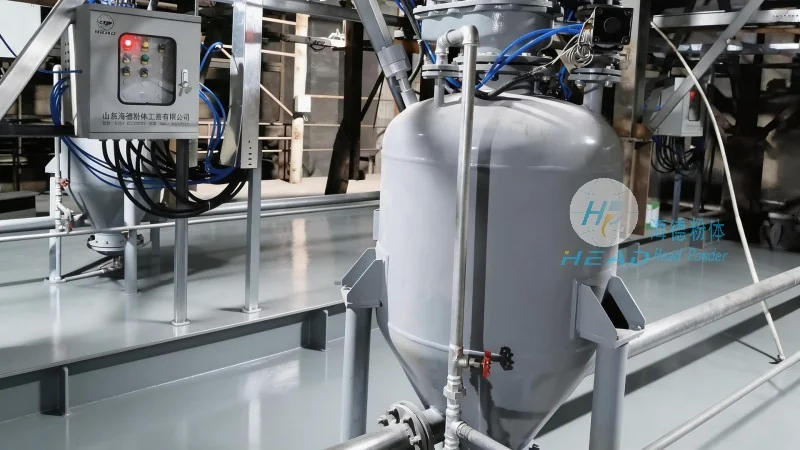
Understanding Lithium Fluoride Material Pneumatic Conveying
Pneumatic conveying involves the use of air or other gases to transport solid materials through a pipeline system. In the case of lithium fluoride, this method is particularly effective due to the material's properties, such as its fine particle size and potential reactivity. The process typically involves a conveying system that includes a hopper, a feeder, a venturi or other air-moving device, and a receiver. The material is introduced into the system, often with the aid of a feeder, and is carried by the flowing air through the pipeline to the destination point. This method eliminates the need for mechanical components like belts or buckets, reducing maintenance and potential contamination risks.
Key Design Principles for Lithium Fluoride Pneumatic Conveying Systems
The success of a lithium fluoride pneumatic conveying system relies on several critical design principles. First, the system must be designed to handle the specific characteristics of LiF, including its particle size distribution, moisture content, and potential dust generation. Proper sizing of the conveying line and air velocity is essential to prevent particle segregation or blockages. The use of appropriate materials for the pipeline and components is also vital, as lithium fluoride can be corrosive and may require specialized materials like stainless steel or PTFE-lined components to ensure durability and prevent contamination.
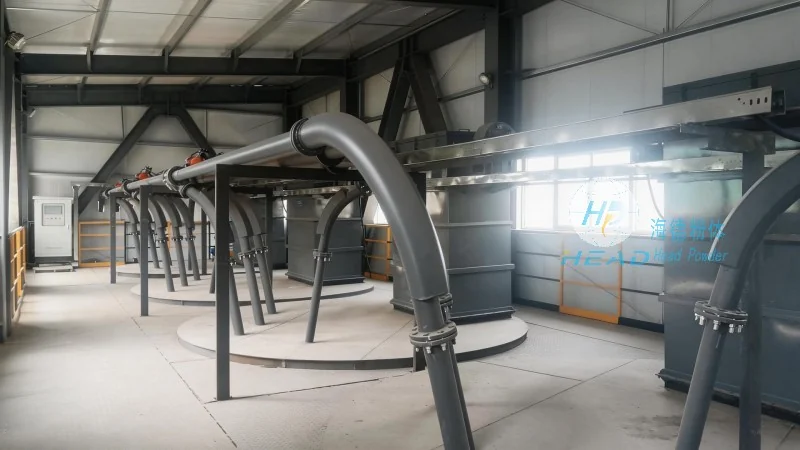
Second, the system must maintain a consistent air flow rate and pressure to ensure reliable material transport. This often involves the use of variable frequency drives (VFDs) for the air compressor or blower, allowing for adjustments based on the material's flow characteristics. The design also considers the need for proper filtration and dust collection to comply with environmental regulations and maintain air quality. Additionally, the system should incorporate safety features, such as pressure relief valves and explosion-proof components, given the potential hazards associated with handling fine powders like LiF.
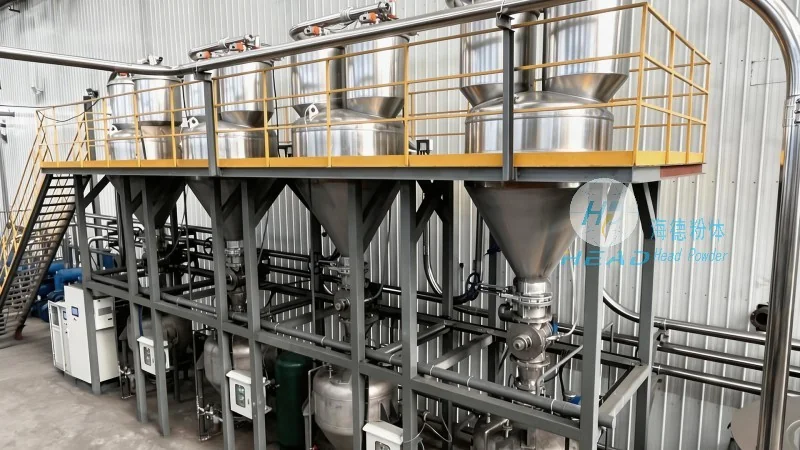
Role of Shandong HeadPowder Engineering Co., Ltd. in Lithium Fluoride Pneumatic Conveying
Shandong HeadPowder Engineering Co., Ltd., commonly known as HeadPowder, is a leading provider of specialized engineering solutions for material handling systems. With a focus on innovative and efficient pneumatic conveying technologies, HeadPowder has developed expertise in designing systems tailored to the unique requirements of lithium fluoride and other high-value materials. The company's engineering team leverages advanced design principles and industry best practices to create customized solutions that optimize material transport, minimize downtime, and enhance overall operational efficiency.
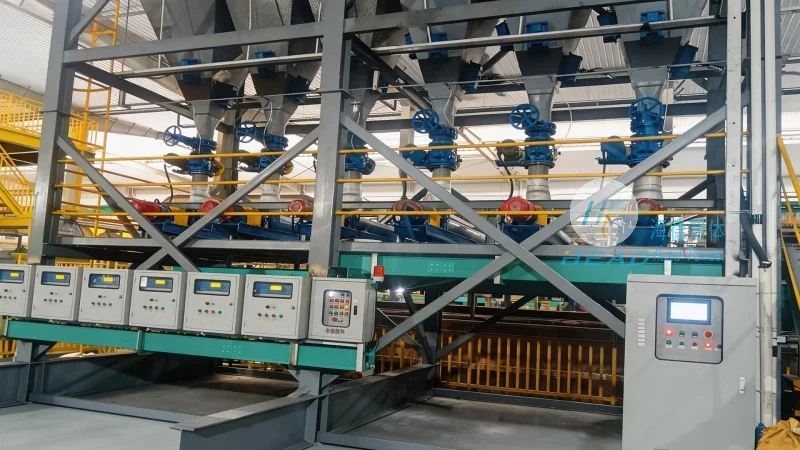
HeadPowder's approach to lithium fluoride pneumatic conveying systems emphasizes the integration of robust design with practical application. By considering factors such as material properties, system capacity, and environmental considerations, the company ensures that each project is tailored to meet the specific needs of the client. This includes the selection of appropriate equipment, such as high-efficiency feeders and advanced air-moving devices, and the implementation of safety protocols to protect both personnel and the environment. The company's commitment to quality and customer satisfaction has made it a trusted partner for industries relying on lithium fluoride and other fine powders for their production processes.
Conclusion: The Importance of Proper Design in Lithium Fluoride Pneumatic Conveying
Effective lithium fluoride material pneumatic conveying is not merely about moving material from one point to another; it is about implementing a system that is safe, efficient, and reliable. The design principles discussed above—such as material compatibility, air flow management, and safety considerations—are essential for achieving optimal performance. Companies like Shandong HeadPowder Engineering Co., Ltd. play a crucial role in translating these principles into practical solutions, ensuring that industries can handle lithium fluoride and similar materials with precision and confidence. As the demand for lithium fluoride in applications like nuclear energy, pharmaceuticals, and specialty chemicals continues to grow, the importance of well-designed pneumatic conveying systems will only increase, making expert engineering more critical than ever.




