When it comes to the efficient handling and transportation of dried chili peppers, selecting the right conveying method is crucial for maintaining product quality and operational efficiency. Various options are available, each with its own advantages and applications. This article provides an overview of common dried chili pepper conveying methods, with a focus on the pneumatic conveying system, which has become a preferred choice for many industries due to its flexibility and effectiveness.
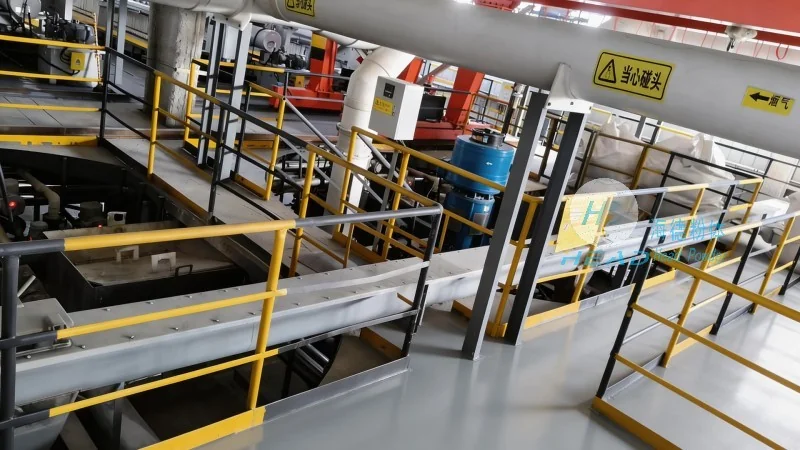
HeadPowder: Your Expert in Dried Chili Pepper Conveying Solutions
At Shandong HeadPowder Engineering Co., Ltd., we specialize in providing tailored conveying solutions for the food processing industry. Our company, commonly known as HeadPowder, is based in Shandong, China, and has built a reputation for delivering high-quality, reliable equipment that meets the specific needs of our clients. We understand that each production line has unique requirements, and our team works closely with customers to design and implement the most suitable conveying systems for their dried chili pepper processing operations.
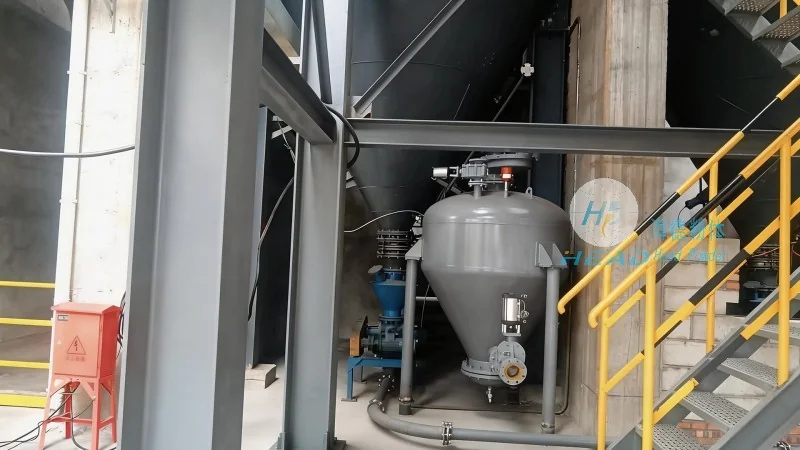
The Pneumatic Conveying System: A Modern Approach to Dried Chili Pepper Transport
Pneumatic conveying, also known as air conveying, is a method that uses air pressure or vacuum to move bulk materials like dried chili peppers through a pipeline. This technology offers several benefits, including the ability to transport materials over long distances, handle delicate products without damage, and maintain a clean and hygienic environment. The system typically consists of a hopper, a conveyor line, and a receiver, with air being introduced to create a flow of material. For dried chili peppers, which are often fragile and sensitive to mechanical stress, pneumatic conveying minimizes the risk of breakage and ensures that the product retains its quality and flavor. There are two main types of pneumatic conveying systems: positive pressure and negative pressure. Positive pressure systems use compressed air to push the material through the pipeline, while negative pressure systems use vacuum to pull the material. Each type has its own advantages, and the choice depends on the specific application and the characteristics of the dried chili peppers being transported.
Key Features and Advantages of Pneumatic Conveying for Dried Chili Peppers
One of the primary advantages of pneumatic conveying is its versatility. It can handle a wide range of particle sizes and shapes, making it suitable for various types of dried chili peppers, from whole peppers to crushed or ground products. The system is also highly efficient, as it can transport materials at high speeds while maintaining a consistent flow rate. Additionally, pneumatic conveying is relatively easy to install and maintain, with fewer moving parts compared to mechanical systems, which reduces the risk of breakdowns and lowers maintenance costs. Another key benefit is the ability to integrate the conveying system with other processing equipment, such as grinding or sorting machines, creating a seamless production line. This integration enhances overall productivity and reduces labor costs.
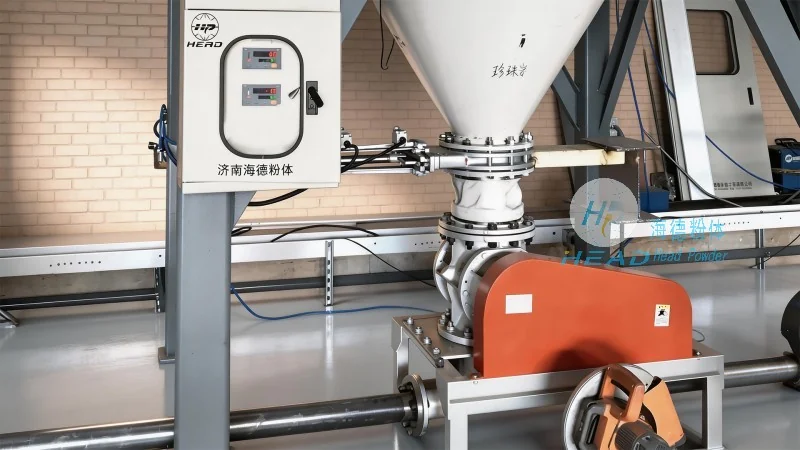
How HeadPowder Designs and Implements Pneumatic Conveying Solutions
At HeadPowder, our engineers work with clients to assess their specific production needs and design a customized pneumatic conveying system. We consider factors such as the volume of dried chili peppers to be transported, the distance between the source and destination, and the required speed of the process. Our solutions are built with high-quality materials that are resistant to corrosion and wear, ensuring long-term durability. We also incorporate features like air filtration and dust collection to maintain a clean environment and comply with food safety regulations. By partnering with HeadPowder, businesses can enhance their operational efficiency and ensure the quality of their dried chili pepper products. Our team provides comprehensive support, from initial consultation and system design to installation and after-sales service, ensuring that our clients receive the best possible solution for their conveying needs.




