Rubber granules are widely used in various industrial applications, and efficient transportation of these granules is crucial for maintaining production efficiency and product quality. There are several common methods for conveying rubber granules, each with its own advantages and limitations. This article provides an overview of the primary rubber granule conveying methods, with a focus on the pneumatic conveying system, which is particularly effective for handling rubber granules in many industrial settings.
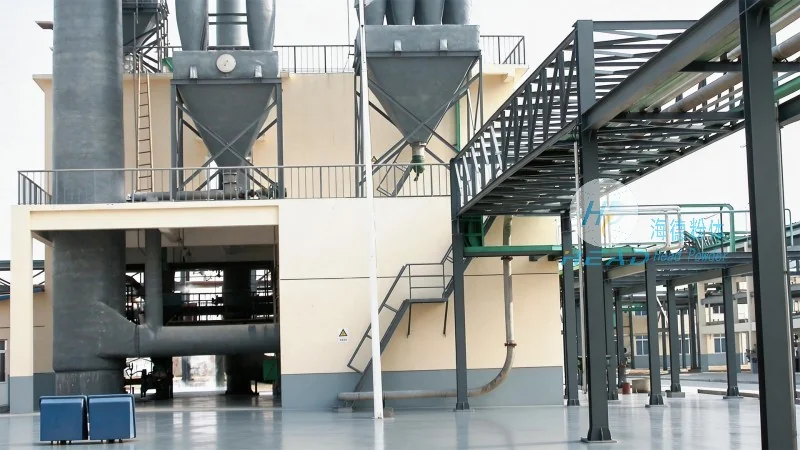
Types of Rubber Granule Conveying Methods
The most common rubber granule conveying methods include mechanical conveying systems, such as belt conveyors and screw conveyors, and pneumatic conveying systems. Mechanical conveyors are typically used for short-distance or bulk material handling, while pneumatic conveying is ideal for longer distances and more complex material handling requirements. Each method has specific applications and operational considerations that influence its suitability for different industrial processes.
Mechanical Conveying Systems for Rubber Granules
Mechanical conveying systems, including belt conveyors and screw conveyors, are widely used for transporting rubber granules in industrial settings. Belt conveyors are suitable for horizontal or slightly inclined transport of granules over short to medium distances. They are cost-effective and can handle large volumes of material. Screw conveyors, also known as auger conveyors, are used for vertical or inclined transport and are particularly effective for handling sticky or cohesive rubber granules. These systems are generally simple to install and maintain, making them a popular choice for many manufacturers. However, mechanical conveyors may experience issues with material buildup, wear on components, and the need for regular maintenance to ensure optimal performance.
Pneumatic Conveying Systems for Rubber Granules
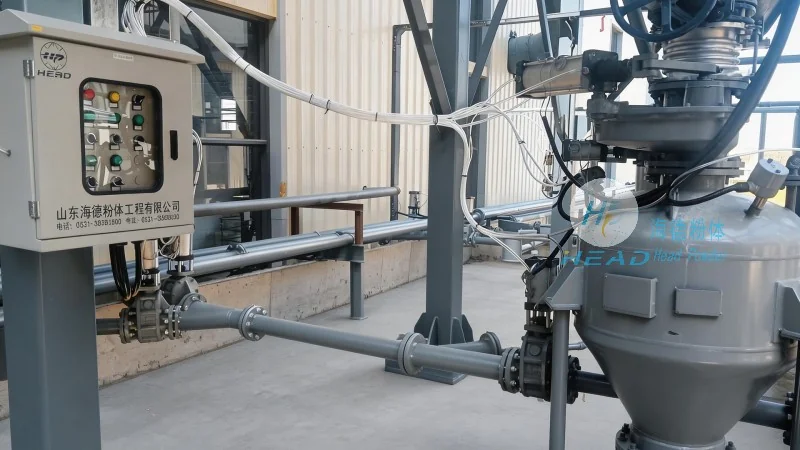
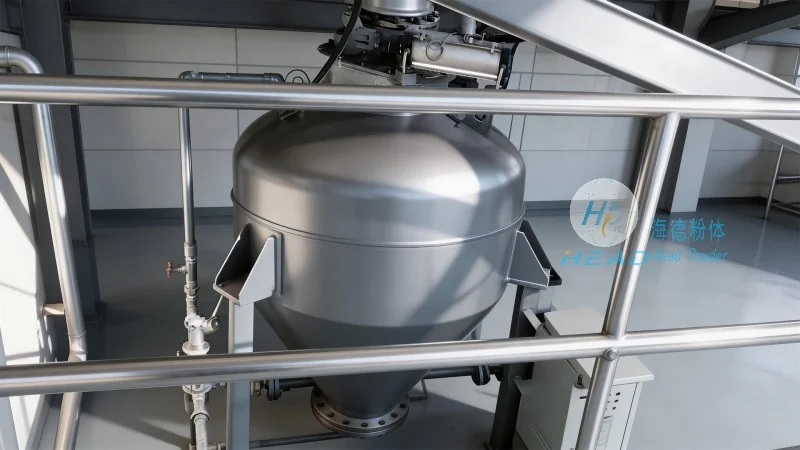
Pneumatic conveying, also known as air conveying, is a method that uses air pressure to move rubber granules through a pipeline. This system is highly effective for transporting rubber granules over longer distances and can handle both bulk and fine granules. There are two main types of pneumatic conveying systems: pressure and vacuum. Pressure systems use compressed air to push the material through the pipeline, while vacuum systems use a vacuum to pull the material. The choice between these systems depends on the distance, material characteristics, and operational requirements of the application. Pneumatic conveying systems offer several advantages, including the ability to transport materials in a closed system, reducing dust and contamination, and the flexibility to handle varying material volumes. However, they require more complex equipment and may have higher energy consumption compared to mechanical conveyors.
Factors to Consider When Choosing a Conveying Method
When selecting a rubber granule conveying method, several factors must be considered to ensure the most efficient and cost-effective solution. These factors include the distance of material transport, the volume of material to be handled, the material characteristics (such as size, shape, and moisture content), and the required level of contamination control. The cost of equipment, installation, and maintenance should also be evaluated. For example, if the rubber granules need to be transported over a long distance or require a closed system to prevent dust, pneumatic conveying may be the better choice. Conversely, if the distance is short and the material is non-sticky, a mechanical conveyor like a belt or screw conveyor may be more suitable. Additionally, the space available for installation and the overall production environment should be taken into account. By carefully evaluating these factors, manufacturers can choose the most appropriate conveying method for their specific rubber granule handling needs.
Conclusion
In summary, rubber granule conveying methods vary based on the specific requirements of the industrial application. Mechanical conveyors, such as belt and screw conveyors, are effective for short-distance and bulk material handling, while pneumatic conveying systems are ideal for longer distances and more complex material handling needs. The choice between these methods depends on factors like distance, material characteristics, and operational requirements. For many applications, pneumatic conveying offers advantages in terms of efficiency, contamination control, and flexibility. As a leading provider of rubber granule handling solutions, Shandong HeadPowder Engineering Co., Ltd. specializes in designing and manufacturing customized conveying systems to meet the diverse needs of the rubber industry. With years of experience and expertise, HeadPowder ensures that their conveying systems are reliable, efficient, and tailored to the specific requirements of each client, helping to optimize production processes and enhance overall operational performance.




