Mineral particle conveying is a critical process in various industrial applications, involving the transport of bulk materials from one location to another. The choice of conveying method significantly impacts operational efficiency, cost, and material handling safety. This article provides an overview of common mineral particle conveying methods, with a focus on pneumatic conveying, a widely used technique for transporting dry, free-flowing particles.
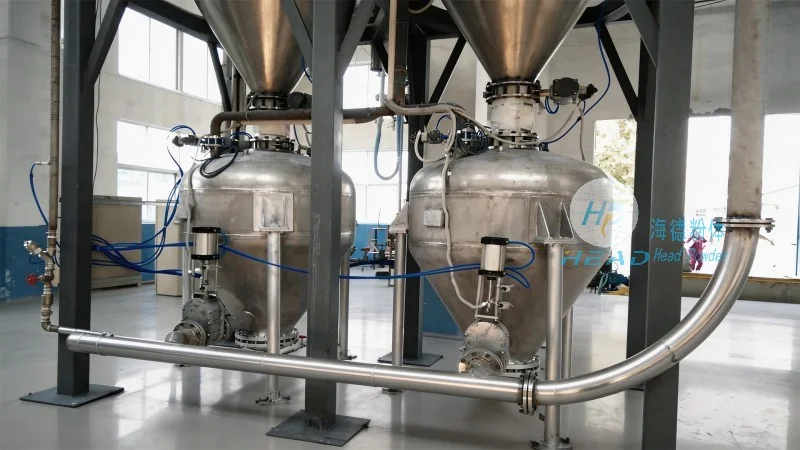
Overview of Mineral Particle Conveying Methods
There are several conventional methods for transporting mineral particles, each with distinct characteristics and applications. The primary categories include mechanical conveying systems, such as belt conveyors, screw conveyors, and bucket elevators, and pneumatic conveying systems. Mechanical systems are generally suitable for bulk materials with moderate to high flow rates and relatively low material density, while pneumatic systems excel in handling fine powders and granular materials over moderate distances.
Pneumatic Conveying: A Detailed Overview
Pneumatic conveying, also known as air conveying, utilizes compressed air or gas to transport solid particles through a pipeline. This method is particularly effective for mineral particles due to its ability to handle fine powders, prevent material degradation, and maintain a clean, dust-free environment. There are two main types of pneumatic conveying systems: dilute-phase and dense-phase. Dilute-phase systems use low air-to-solid ratios, typically moving particles at high velocities, while dense-phase systems employ higher air-to-solid ratios, allowing for slower, more controlled transport with reduced particle degradation.
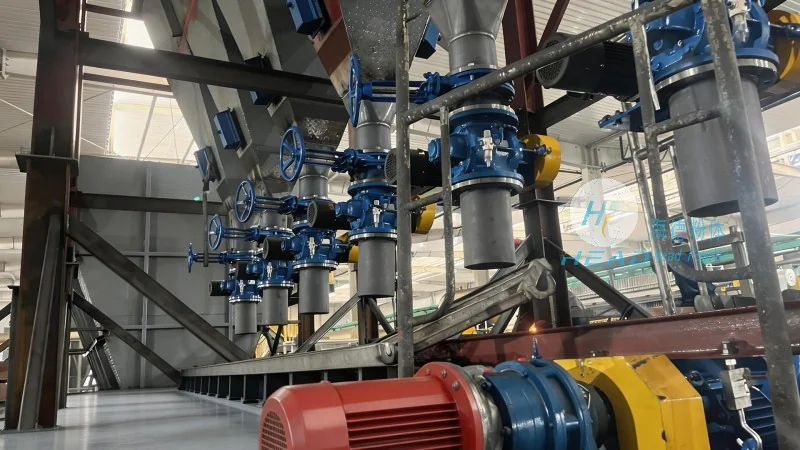
Key Components of Pneumatic Conveying Systems
The effectiveness of a pneumatic conveying system depends on several key components. These include the air compressor or blower, which generates the necessary pressure to move particles; the conveying line, which can be made of metal or plastic, depending on the material being transported; and the control valves, which regulate the flow of air and material. Additionally, the system may include filters, cyclones, and dust collectors to manage air quality and prevent material loss. For mineral particles, the choice of components is critical to ensure efficient and safe operation, as different minerals have varying properties that affect conveying performance.
Advantages of Pneumatic Conveying for Mineral Particles
Pneumatic conveying offers several advantages over other mineral particle conveying methods. One of the most significant benefits is its ability to handle fine powders and granular materials without the need for additional equipment, such as hoppers or feeders. This reduces the risk of material segregation and degradation, which can occur with mechanical systems. Additionally, pneumatic systems are highly flexible, allowing for changes in material flow rates and direction without major modifications. They also provide a closed system, minimizing dust emissions and improving workplace safety. For industries dealing with minerals like coal, cement, and ore, these advantages make pneumatic conveying a preferred choice.
Applications in Mineral Processing
Pneumatic conveying is widely used in mineral processing applications, including the transport of raw materials from storage to processing facilities, the movement of intermediate products between processing stages, and the transfer of finished products to packaging or storage areas. In coal mining operations, for example, pneumatic systems are used to transport coal from mines to processing plants, while in cement production, they convey raw materials like limestone and clay. The ability to handle fine powders and maintain a clean environment is particularly valuable in these applications, as it reduces the risk of material contamination and improves product quality.
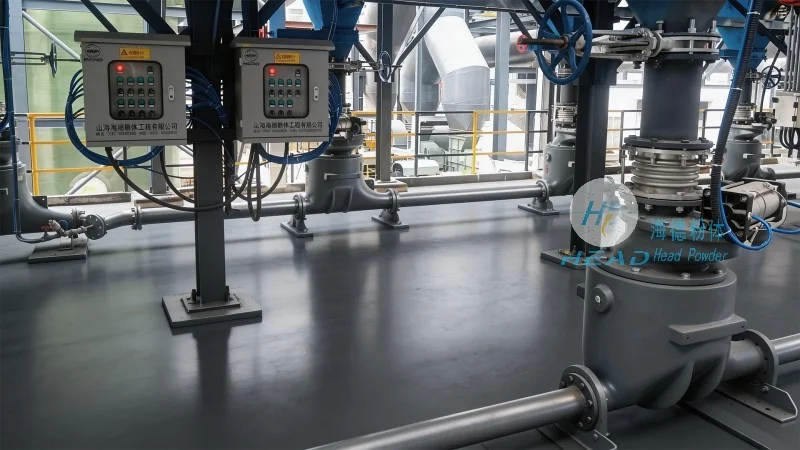
Considerations for Implementing Pneumatic Conveying Systems
When implementing a pneumatic conveying system for mineral particles, several factors must be considered to ensure optimal performance. These include the particle size, density, and flow characteristics of the material, as well as the required conveying distance and flow rate. The system design must also account for the potential for material buildup or blockages in the pipeline, which can be mitigated through proper system sizing and the use of cleaning mechanisms. Additionally, the choice of air compressor and control system is critical to maintain consistent pressure and flow, ensuring reliable operation. For companies operating in the mineral processing industry, working with experienced suppliers like Shandong HeadPowder Engineering Co., Ltd. can help ensure that the system is designed and installed to meet specific operational requirements.
Conclusion
In summary, mineral particle conveying is a vital process in industrial operations, and the choice of conveying method significantly impacts efficiency and safety. Pneumatic conveying, with its ability to handle fine powders and provide a closed, dust-free system, is a preferred method for many mineral processing applications. By understanding the key components and advantages of pneumatic conveying systems, companies can select the most appropriate solution for their specific needs. For those seeking reliable and efficient mineral particle conveying solutions, Shandong HeadPowder Engineering Co., Ltd. offers expertise and customized systems tailored to the unique requirements of the mineral processing industry.




