When it comes to transporting pearl salt powder, selecting the right conveying method is crucial for efficiency, safety, and product integrity. As a leading provider in the field, Shandong HeadPowder Engineering Co., Ltd. specializes in advanced solutions tailored to the unique characteristics of pearl salt powder. This article explores common conveying methods, with a focus on the advantages and applications of pneumatic conveying systems.
Introduction to Pearl Salt Powder Conveying Methods
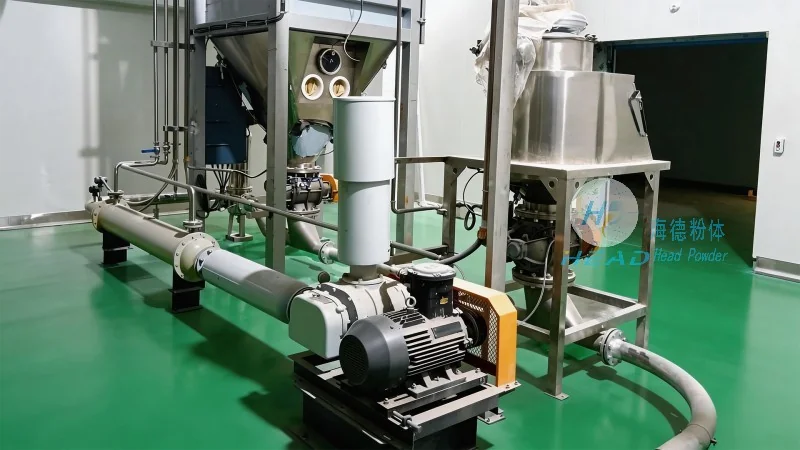
Pearl salt powder, known for its fine particles and hygroscopic properties, requires specialized handling to prevent caking, segregation, and contamination. Traditional methods like bucket elevators or belt conveyors may not be suitable due to the powder's tendency to stick or degrade under mechanical stress. Pneumatic conveying, however, offers a more effective solution by using air to transport the material through pipelines, minimizing contact with equipment and preserving product quality.
Understanding Pneumatic Conveying for Pearl Salt Powder
Pneumatic conveying systems utilize compressed air to move pearl salt powder from one location to another. There are two primary types: pressure and vacuum systems. Pressure systems, where air is introduced at the discharge end, are ideal for short to medium-distance conveying, while vacuum systems, which draw material from the source, are better suited for longer distances or when the material needs to be collected from multiple points. Both systems are designed to handle the delicate nature of pearl salt powder, ensuring minimal breakage and maintaining its purity.
Key Advantages of Pneumatic Conveying for Pearl Salt Powder
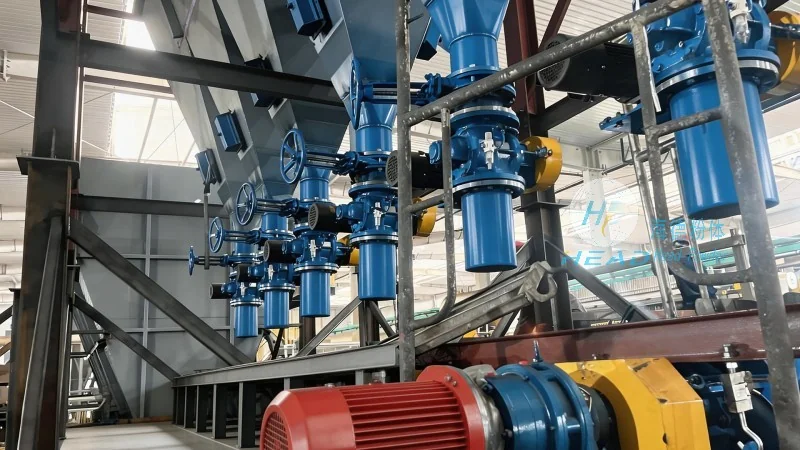
For pearl salt powder applications, pneumatic conveying offers several key benefits. First, it eliminates the need for mechanical contact, reducing the risk of contamination from equipment surfaces. Second, the enclosed pipeline system prevents dust emissions, making it safer for both operators and the environment. Third, the system can be easily integrated with other processing equipment, such as mixers or packaging machines, streamlining production workflows. Additionally, pneumatic conveying allows for precise control over flow rates, ensuring consistent delivery of the powder to downstream processes.
Applications and Use Cases in the Industry
The versatility of pneumatic conveying makes it suitable for various applications involving pearl salt powder. In food processing, it is commonly used to transport salt from storage silos to production lines, ensuring a continuous supply without manual handling. In chemical manufacturing, the system is employed to move salt powders used in formulations, maintaining the integrity of sensitive ingredients. Even in industrial settings where large volumes of salt are processed, pneumatic conveying systems provide reliable and efficient transport, reducing downtime and operational costs.
Customization and Scalability with HeadPowder Solutions
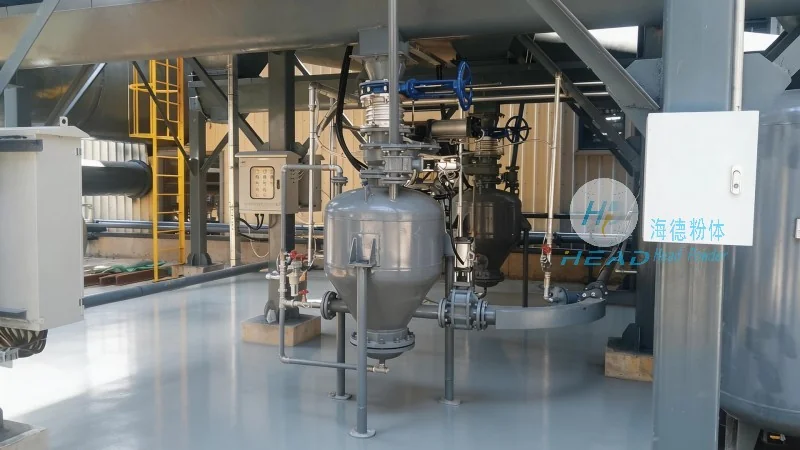
Shandong HeadPowder Engineering Co., Ltd. understands that each facility has unique requirements. Our pneumatic conveying solutions are customizable to accommodate different particle sizes, flow rates, and distance needs. Whether a small-scale operation or a large industrial plant, our systems can be scaled to meet production demands. We also offer maintenance and support services to ensure long-term reliability, helping clients maintain optimal performance and minimize disruptions.
Conclusion: Choosing the Right Conveying Method for Pearl Salt Powder
When selecting a conveying method for pearl salt powder, it is essential to consider factors such as material properties, distance, and operational efficiency. Pneumatic conveying, particularly with advanced pressure or vacuum systems, stands out as a superior choice due to its ability to handle the delicate nature of the powder while providing consistent performance. By partnering with Shandong HeadPowder Engineering Co., Ltd., businesses can benefit from expertly designed pneumatic conveying solutions that enhance productivity, safety, and product quality. Whether you are in the food, chemical, or industrial sector, our tailored approaches ensure that your pearl salt powder is transported effectively and efficiently.




