When it comes to handling rare earth crystal powders, selecting the right conveying method is crucial for ensuring efficiency, safety, and product integrity. The process of transporting these materials involves navigating challenges such as dust generation, material segregation, and the need for precise control. In this article, we explore common rare earth crystal powder conveying methods, with a particular focus on the advantages and applications of pneumatic conveying systems. The information is presented by Shandong HeadPowder Engineering Co., Ltd., a leading provider in the field, based in Shandong, China.
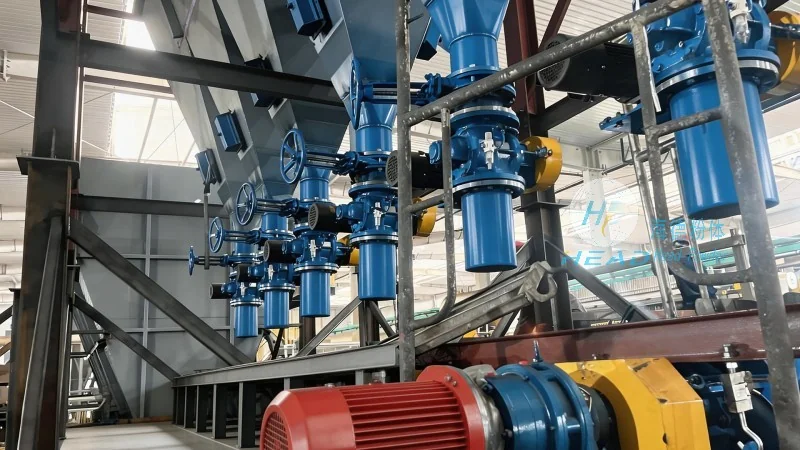
Understanding the Importance of Efficient Conveying for Rare Earth Crystal Powders
Rare earth crystal powders are widely used in various industries, including electronics, aerospace, and renewable energy technologies. These materials are characterized by their fine particle size, which makes them prone to issues like dust accumulation and caking during transport. Traditional methods of handling these powders often result in material loss, contamination, or equipment damage. Therefore, implementing an effective conveying system is essential to maintain product quality and operational efficiency. The choice of conveying method depends on factors such as the material's properties, the distance to be covered, and the desired level of control over the process.
Common Conveying Methods for Rare Earth Crystal Powders
Several methods are commonly employed for transporting rare earth crystal powders, each with its own set of advantages and limitations. The primary options include mechanical conveying systems, like screw conveyors and belt conveyors, and pneumatic conveying systems. Mechanical systems are generally suitable for shorter distances and less abrasive materials, while pneumatic systems excel in handling fine powders over longer distances with minimal product degradation.
Pneumatic Conveying: A Preferred Solution for Rare Earth Crystal Powders
Pneumatic conveying, also known as air conveying, involves the transport of materials using a stream of air. This method is particularly effective for rare earth crystal powders due to its ability to handle fine particles without the need for physical contact. There are two main types of pneumatic conveying: pressure and vacuum systems. Pressure systems use compressed air to push the material through a pipeline, while vacuum systems use a vacuum to draw the material into the system. Both methods offer advantages in terms of flexibility and control.
One of the key benefits of pneumatic conveying for rare earth crystal powders is its ability to minimize dust exposure and product contamination. Unlike mechanical systems, which may cause particle attrition or segregation, pneumatic systems maintain the integrity of the material. Additionally, pneumatic conveying allows for the integration of dust collection and filtration systems, ensuring compliance with environmental regulations and workplace safety standards.
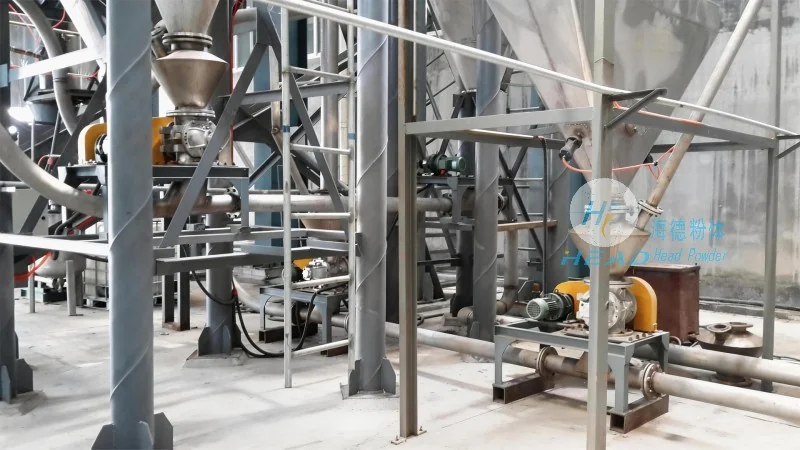
Key Features and Advantages of Pneumatic Conveying for Rare Earth Crystal Powders
Shandong HeadPowder Engineering Co., Ltd. specializes in designing and manufacturing advanced pneumatic conveying systems tailored to the unique requirements of rare earth crystal powders. The company's solutions are engineered to address the challenges associated with fine powders, such as clogging and material degradation. Key features of their pneumatic conveying systems include:
1. **High Efficiency and Reliability**: The systems are designed to operate continuously with minimal downtime, ensuring consistent material flow. This is achieved through robust components and advanced control systems.
2. **Low Maintenance Requirements**: By eliminating moving parts in the conveying line, the risk of wear and tear is reduced, leading to lower maintenance costs and longer equipment life.
3. **Customizable Solutions**: Shandong HeadPowder Engineering Co., Ltd. offers tailored solutions that can be adapted to specific production needs, including varying material flow rates and distances.
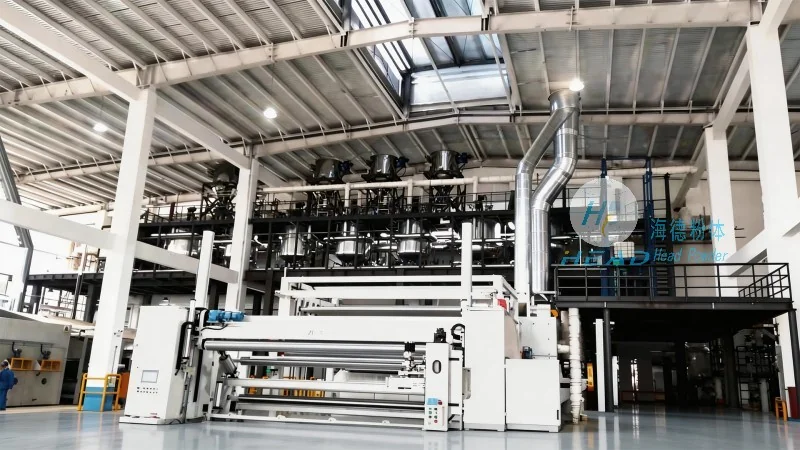
4. **Environmental Compliance**: The systems incorporate advanced filtration and dust collection technologies, ensuring that emissions are minimized and regulatory standards are met.
Applications and Use Cases in the Rare Earth Industry
Pneumatic conveying systems are widely used in the rare earth industry for various applications, including:
1. **Raw Material Handling**: Transporting rare earth ore and processed powders from storage silos to processing equipment.
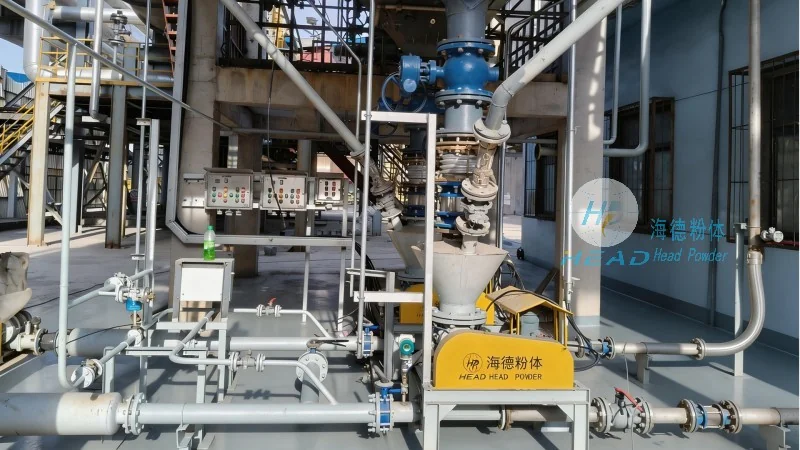
2. **Product Transfer**: Moving finished rare earth crystal powders from production lines to packaging or storage areas.
3. **Recovery and Recycling**: Conveying recycled materials back into the production cycle, reducing waste and improving overall efficiency.
4. **Quality Control**: Implementing conveying systems that allow for in-line sampling and analysis, ensuring product quality is maintained throughout the process.
Conclusion
Efficient conveying of rare earth crystal powders is critical to the success of operations in the rare earth industry. While various methods are available, pneumatic conveying stands out as a reliable and effective solution due to its ability to handle fine powders with minimal degradation and contamination. Shandong HeadPowder Engineering Co., Ltd. provides advanced pneumatic conveying systems that are tailored to the specific needs of rare earth processing facilities, ensuring optimal performance and compliance with industry standards. By choosing the right conveying method, companies can enhance productivity, reduce costs, and maintain the high quality of their rare earth products.




