Glucose powder, a vital component in industries such as pharmaceuticals, food processing, and chemical manufacturing, demands efficient and reliable conveying systems to maintain smooth production workflows. The selection of a conveying method directly impacts operational efficiency, product integrity, and system maintenance. This article examines common glucose powder conveying methods, with a particular focus on the benefits and applications of pneumatic conveying systems.
Overview of Glucose Powder Conveying Systems
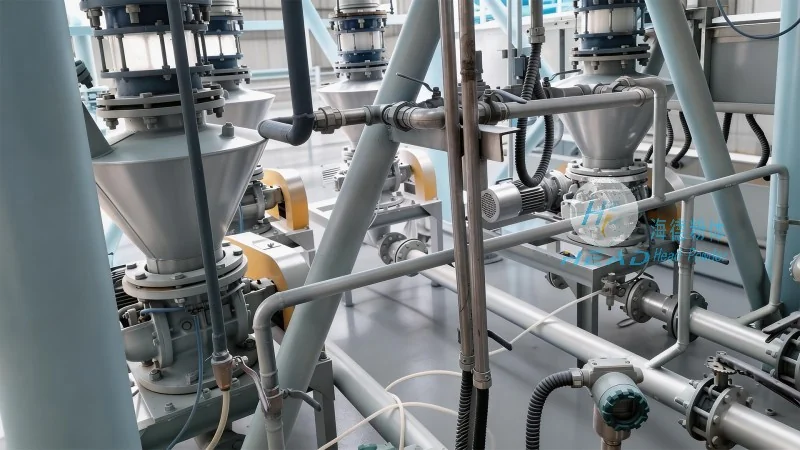
Conveying glucose powder involves transporting fine, dry powder from storage silos or processing units to downstream equipment like mixers, reactors, or packaging machines. Traditional methods include mechanical conveyors—such as screw conveyors, belt conveyors, and bucket elevators—which are effective for bulk materials but may encounter challenges with fine powders, including caking, bridging, and material degradation. In contrast, pneumatic conveying offers a more flexible and hygienic solution, especially for sensitive products like glucose powder.
Pneumatic Conveying: A Preferred Solution for Glucose Powder
Pneumatic conveying utilizes air or other gases to transport powder particles through a pipeline system. This method is widely adopted in the glucose powder industry due to its ability to handle fine powders without mechanical contact, minimizing product contamination and degradation. Two primary types of pneumatic conveying exist: pressure and vacuum systems. Pressure systems employ compressed air to push the powder forward, while vacuum systems use suction to draw the powder into the pipeline.
Key Advantages of Pneumatic Conveying for Glucose Powder
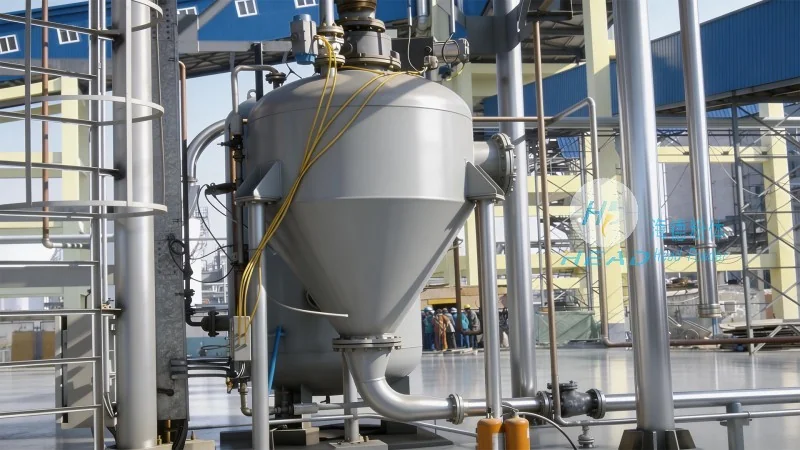
For glucose powder applications, pneumatic conveying offers several critical advantages. Firstly, it provides a hygienic and dust-free environment, which is essential for food and pharmaceutical products where contamination control is paramount. Secondly, it enables flexible system design, allowing integration of multiple conveying lines and long-distance transport with minimal energy consumption. Thirdly, pneumatic systems can handle varying particle sizes and moisture contents, making them suitable for diverse glucose powder formulations. Additionally, these systems can be seamlessly integrated with other process equipment, such as mixers and reactors, to form a cohesive production line.
System Components and Design Considerations
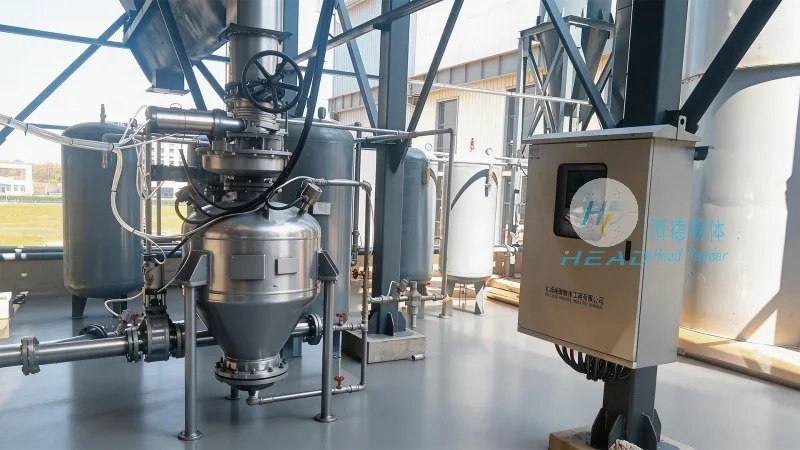
A typical pneumatic conveying system for glucose powder includes key components: a hopper or feeder to regulate powder flow, a conveying line (usually stainless steel to prevent corrosion and maintain hygiene), a venturi or air lock to control air flow and particle velocity, and a receiver or discharge hopper to collect the conveyed powder. System design must account for factors like the powder's bulk density, flowability, and moisture content, as well as required conveying distance and throughput. Proper sizing of the air compressor and pipeline diameter is crucial for efficient and reliable operation. For instance, a well-designed pressure pneumatic system can achieve high conveying velocities, reducing clogging risks and ensuring consistent product flow.
Applications in Glucose Powder Production
Pneumatic conveying is widely utilized across glucose powder production stages. In initial phases, it transports raw glucose from storage to processing units, ensuring a continuous material supply. During mixing and blending, pneumatic systems deliver glucose powder to mixers, maintaining consistent product composition. In final packaging, the system moves finished glucose powder to packaging machines, ensuring efficient and hygienic handling. The flexibility of pneumatic conveying also allows integration of different production lines, enabling manufacturers to adapt to changing production demands and product specifications.
Conclusion
Glucose powder conveying is a critical factor in production efficiency and product quality. While traditional mechanical methods have their roles, pneumatic conveying offers a superior solution for fine powders like glucose, providing hygienic, flexible, and efficient transport. Companies like Shandong HeadPowder Engineering Co., Ltd., a leading provider of conveying solutions, specialize in designing and manufacturing customized pneumatic systems tailored to glucose powder manufacturers' specific needs. By leveraging pneumatic conveying advantages, manufacturers can enhance production processes, reduce operational costs, and ensure consistent product quality.




