When it comes to handling and transporting sodium hydroxide, a highly caustic and reactive chemical, selecting the right conveying method is crucial for ensuring safety, efficiency, and product integrity. Sodium hydroxide, commonly known as caustic soda, is widely used in various industries such as chemical manufacturing, paper production, and water treatment. The choice of conveying method depends on factors like the material's properties, the distance to be transported, and the required flow rate. In this article, we will explore common sodium hydroxide conveying methods, with a particular focus on the advantages and applications of pneumatic conveying systems.
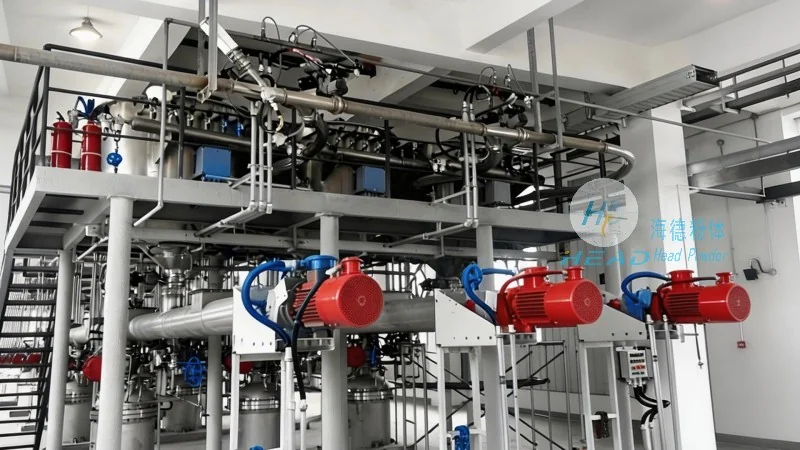
Introduction to Sodium Hydroxide Conveying
Sodium hydroxide is a solid or liquid chemical that requires specialized handling due to its corrosive nature. Conveying this material safely and effectively is essential to prevent accidents and maintain operational efficiency. Traditional methods like manual handling or simple gravity systems are often insufficient for large-scale operations. Modern industrial practices have evolved to include advanced techniques such as pneumatic conveying, which offers significant benefits in terms of speed, safety, and automation. This overview will delve into the various methods used for sodium hydroxide transport, highlighting the role of companies like Shandong HeadPowder Engineering Co., Ltd. in providing tailored solutions for industrial needs.
Common Sodium Hydroxide Conveying Methods
Several methods are employed for the transportation of sodium hydroxide, each with its own set of advantages and limitations. The primary options include gravity flow, mechanical pumping, and pneumatic conveying. Each method is suitable for different scenarios based on the specific requirements of the application.
1. Gravity Conveying
Gravity conveying involves the use of inclined chutes or hoppers to allow sodium hydroxide to flow from a higher to a lower elevation under the force of gravity. This method is simple and cost-effective for short distances and when the material has a relatively free-flowing consistency. However, it is limited by the need for a sufficient vertical drop and may not be suitable for long distances or when the material is sticky or contains lumps. For applications where the material can flow freely, gravity systems are an economical choice, though they require careful design to prevent blockages and ensure consistent flow rates.
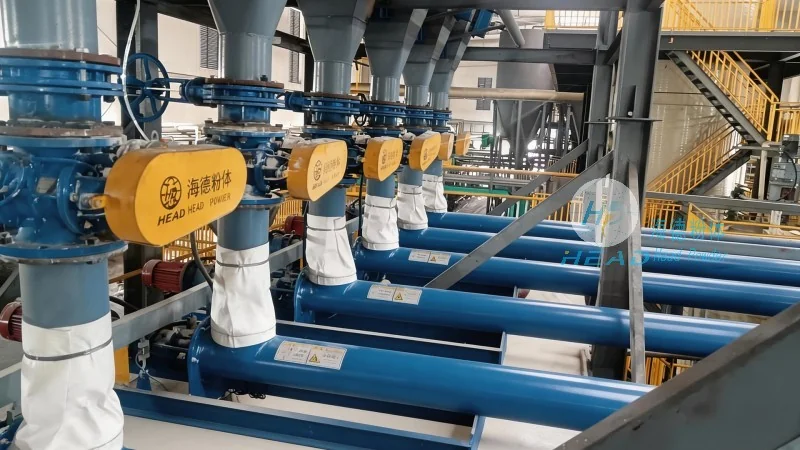
2. Mechanical Pumping
Mechanical pumping, such as using screw conveyors or positive displacement pumps, is another common method for sodium hydroxide transport. Screw conveyors are particularly effective for handling bulk solids, including powdered or granular sodium hydroxide. They provide a continuous and controlled flow, making them suitable for moderate distances and varying flow rates. Positive displacement pumps, on the other hand, are ideal for handling viscous or slurry-like sodium hydroxide solutions. These pumps ensure a steady pressure and flow, which is crucial for maintaining product quality and preventing degradation. Mechanical pumping systems are generally reliable and can be integrated with other processing equipment, but they may require regular maintenance to avoid wear and tear.
3. Pneumatic Conveying
Pneumatic conveying, or air-assisted transport, is a highly efficient method for transporting sodium hydroxide, especially in large-scale industrial settings. This technique uses compressed air to move the material through a pipeline, combining the benefits of both gravity and mechanical systems. There are two main types of pneumatic conveying: dilute phase and dense phase. Dilute phase systems use low air-to-material ratios, allowing the material to be transported at high speeds over long distances. Dense phase systems, conversely, use higher air-to-material ratios, resulting in a slower, more controlled flow that minimizes product degradation and pressure surges. The choice between dilute and dense phase depends on the specific characteristics of the sodium hydroxide, such as its particle size, moisture content, and flowability.
Advantages of Pneumatic Conveying for Sodium Hydroxide
Pneumatic conveying offers several advantages that make it a preferred choice for many industries. One of the key benefits is the ability to transport sodium hydroxide in a closed system, which reduces exposure to the environment and minimizes the risk of contamination or dust emissions. This is particularly important for caustic materials, as they can be hazardous if released into the air. Additionally, pneumatic systems allow for precise control over flow rates and pressure, ensuring consistent product quality and preventing overloading of downstream equipment. The closed nature of these systems also enhances safety by containing the material and preventing accidental spills or leaks. Furthermore, pneumatic conveying can be integrated with other processing steps, such as mixing or drying, to create a seamless production line. This integration improves overall efficiency and reduces the need for manual handling, which is essential for maintaining a safe working environment.
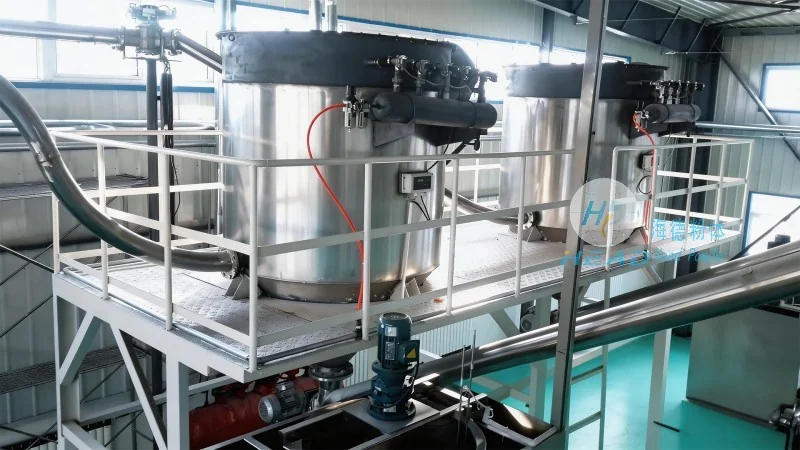
Applications of Sodium Hydroxide Pneumatic Conveying
The versatility of pneumatic conveying makes it suitable for a wide range of applications involving sodium hydroxide. In the chemical industry, it is commonly used to transport caustic soda from storage silos to reactors or processing units. The ability to handle both solid and liquid forms of sodium hydroxide makes it adaptable to various production processes. In the paper industry, pneumatic systems are used to convey caustic soda for the alkaline pulping process, where the material is mixed with wood chips to break down the lignin. The controlled flow and minimal degradation provided by pneumatic conveying ensure that the quality of the pulp is maintained. Similarly, in water treatment facilities, pneumatic conveying is used to transport sodium hydroxide for pH adjustment and chemical treatment of wastewater. The efficiency and reliability of these systems contribute to the effective management of water resources and compliance with environmental regulations.
Role of Shandong HeadPowder Engineering Co., Ltd. in Sodium Hydroxide Conveying Solutions
Shandong HeadPowder Engineering Co., Ltd., a leading provider of industrial conveying solutions, specializes in designing and manufacturing systems tailored to the unique needs of sodium hydroxide handling. The company's expertise lies in understanding the challenges associated with caustic materials and developing customized solutions that ensure safety, efficiency, and compliance. With a focus on pneumatic conveying systems, HeadPowder offers a range of equipment, including dilute and dense phase conveyors, airlocks, and dust collection systems. Their solutions are engineered to handle the specific properties of sodium hydroxide, such as its high reactivity and potential for caking. The company's team of engineers works closely with clients to assess their operational requirements and recommend the most suitable conveying method. By leveraging advanced technology and years of experience, HeadPowder provides reliable and durable systems that meet the demands of modern industrial applications. Their commitment to quality and customer satisfaction has made them a trusted partner for many industries relying on sodium hydroxide processing.
Conclusion
In conclusion, the choice of sodium hydroxide conveying method is critical for ensuring safe and efficient operations in various industrial applications. While gravity and mechanical pumping systems have their uses, pneumatic conveying stands out as a highly effective and versatile solution, especially for large-scale and complex processes. The advantages of closed systems, precise control, and adaptability make pneumatic conveying an ideal choice for handling caustic materials like sodium hydroxide. Companies like Shandong HeadPowder Engineering Co., Ltd. play a vital role in providing these advanced solutions, helping industries to optimize their processes and maintain safety standards. As the demand for efficient and reliable sodium hydroxide transport continues to grow, the role of specialized engineering companies becomes increasingly important in meeting these challenges.




