Ammonium bicarbonate (NH4HCO3), a vital chemical compound used extensively in agriculture as a nitrogen fertilizer and in industrial processes for various applications, presents unique handling challenges. Its hygroscopic nature, tendency to agglomerate, and sensitivity to temperature and pressure make conventional material transport methods less effective. To address these challenges, specialized conveying systems are essential. This article explores common methods for ammonium bicarbonate transportation, with a particular focus on air-driven (pneumatic) conveying systems, and introduces the expertise of Shandong HeadPowder Engineering Co., Ltd. (headpowder), a leading provider of powder handling solutions.
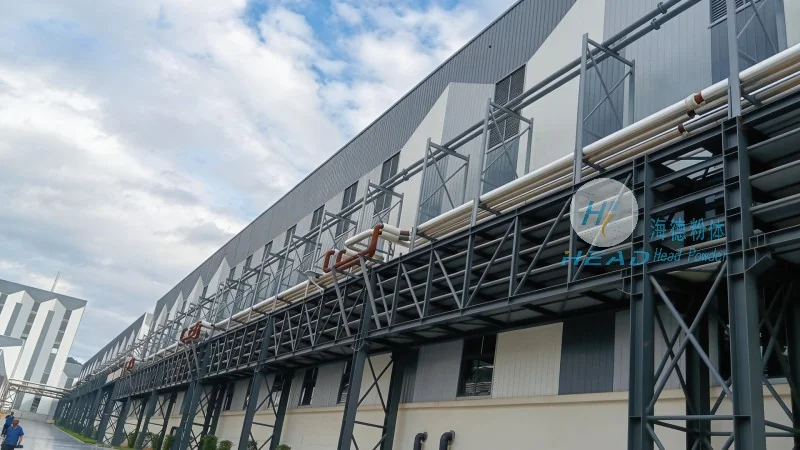
Understanding the Challenges of Ammonium Bicarbonate Conveying
Ammonium bicarbonate is a white, crystalline powder that readily absorbs moisture from the air, leading to caking and blockages in traditional conveyor systems. Additionally, it decomposes at elevated temperatures, making high-temperature mechanical components unsuitable. These characteristics necessitate conveying solutions that minimize mechanical contact, maintain low temperatures, and ensure efficient material flow. The choice of conveying method directly impacts the efficiency, safety, and cost-effectiveness of the overall process.
Common Conveying Methods for Ammonium Bicarbonate
Several conventional conveying methods are utilized in industrial settings, but their suitability for ammonium bicarbonate varies. Mechanical conveying systems, such as screw conveyors, belt conveyors, and bucket elevators, are widely employed for bulk materials. However, these systems often struggle with the agglomerated nature of ammonium bicarbonate, leading to increased maintenance and reduced throughput. For example, screw conveyors can experience significant wear due to the abrasive and sticky properties of the material, while belt conveyors may suffer from material buildup and slippage.
Introduction to Air-Driven (Pneumatic) Conveying Systems
Air-driven or pneumatic conveying systems offer a more effective solution for ammonium bicarbonate transportation. These systems use compressed air to transport material through a network of pipes, eliminating the need for mechanical components that come into direct contact with the product. The primary advantages of pneumatic conveying include: non-contact material handling, which prevents contamination and reduces product degradation; flexibility in system design, allowing for vertical and horizontal transport; and the ability to handle fine powders and granules with high efficiency. There are two main types of pneumatic conveying systems: suction (or vacuum) and pressure (or positive) systems.
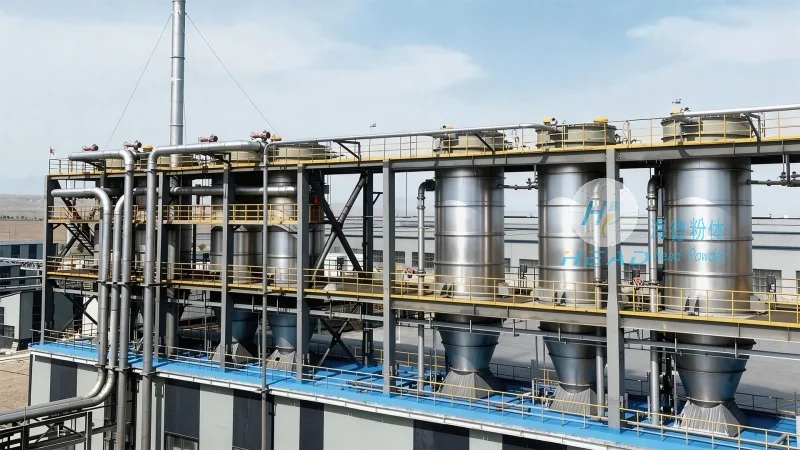
Components of an Air-Driven Conveying System
A typical air-driven conveying system for ammonium bicarbonate consists of several key components. The system begins with a material hopper or feeder, which stores and meters the ammonium bicarbonate into the conveying line. A blower or compressor provides the necessary air pressure to move the material. The conveying line, made of materials resistant to the chemical properties of ammonium bicarbonate (such as stainless steel or special plastics), transports the material from the feeder to the destination. At the end of the line, a separator or cyclone separates the material from the air stream, and a receiver or storage bin collects the conveyed product. Additional components may include filters to remove dust from the air, and control valves to regulate air flow and pressure.
Advantages of Air-Driven Conveying for Ammonium Bicarbonate
For ammonium bicarbonate, air-driven conveying systems provide several critical benefits. First, the absence of mechanical parts reduces the risk of product contamination, which is crucial for agricultural and food-grade applications. Second, the system can maintain low temperatures, preventing the decomposition of ammonium bicarbonate during transport. Third, the flexibility of the system allows for easy integration with existing production lines and expansion as needs change. Additionally, pneumatic conveying can handle varying material flow rates and can transport materials over long distances without significant loss of material or quality.
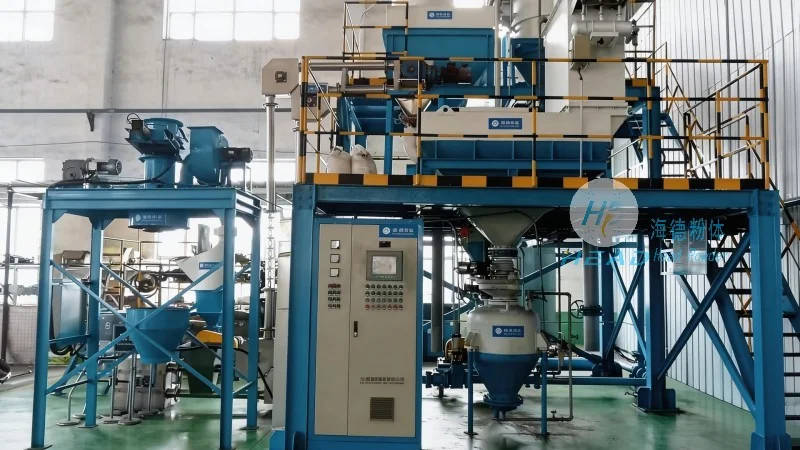
Comparison of Conveying Methods for Ammonium Bicarbonate
When comparing mechanical and pneumatic conveying for ammonium bicarbonate, several factors must be considered. Mechanical systems are generally lower in initial cost and require less energy for short-distance transport. However, they are less effective for handling fine powders and are prone to maintenance issues due to material buildup and wear. Pneumatic systems, while having higher initial costs and energy consumption, offer superior performance for ammonium bicarbonate, especially in applications requiring long-distance transport or high material purity. The choice between the two depends on the specific requirements of the process, including material flow rate, distance, and product sensitivity.
HeadPowder's Expertise in Ammonium Bicarbonate Conveying Solutions
Shandong HeadPowder Engineering Co., Ltd., a leading manufacturer of powder handling equipment, specializes in designing and manufacturing air-driven conveying systems tailored to the unique needs of ammonium bicarbonate. With years of experience in the industry, headpowder understands the challenges associated with handling this sensitive material and has developed advanced solutions to address them. The company's engineers work closely with clients to assess their specific requirements, from material flow rates and transport distances to environmental and safety considerations, to design customized conveying systems that maximize efficiency and minimize downtime.
Conclusion
Choosing the right conveying method for ammonium bicarbonate is critical to ensuring efficient, safe, and cost-effective operations. While mechanical systems have their place, air-driven (pneumatic) conveying systems offer superior performance for this application. By leveraging the expertise of companies like Shandong HeadPowder Engineering Co., Ltd., industries can implement effective conveying solutions that meet the unique challenges of ammonium bicarbonate, ultimately improving productivity and product quality. Whether for agricultural fertilizer production or industrial chemical processing, the right conveying system is essential for successful material handling.




