When it comes to industrial material handling, especially for coating materials, the choice of a pneumatic conveying system can significantly impact operational efficiency, safety, and cost-effectiveness. A well-designed system ensures smooth material transport from storage to processing units, minimizing downtime and maximizing productivity. This article explores the key considerations and steps involved in creating a reasonable plan for such a system, with insights from Shandong HeadPowder Engineering Co., Ltd., a leading provider in the field.
Key Factors Influencing System Design
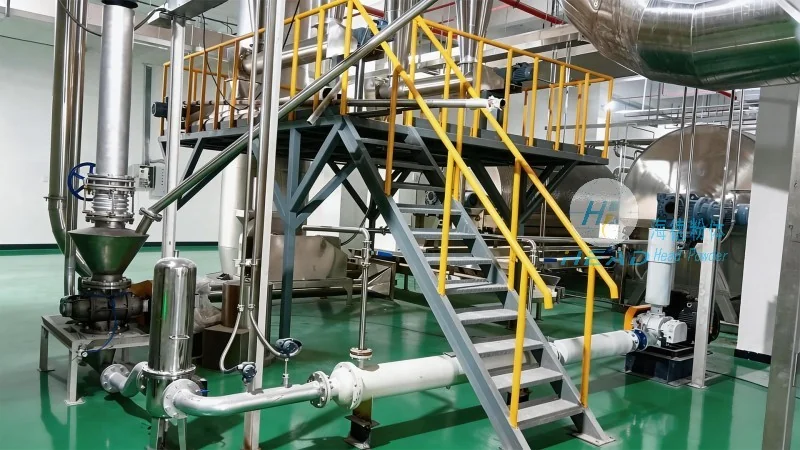
The first step in designing a coating pneumatic conveying system is to assess several critical factors that will dictate the system's configuration. These include the physical properties of the coating material—such as particle size, moisture content, and bulk density—which directly affect the conveying velocity and pressure requirements. Additionally, the distance between the material source and the destination, as well as the number of transfer points, must be carefully evaluated. The system type, whether it's a pressure or vacuum system, also plays a crucial role. Pressure systems are often preferred for long-distance or high-volume applications, while vacuum systems are suitable for shorter distances or when material needs to be transferred from multiple sources.
Material Characteristics and Their Impact
Coating materials vary widely in their physical and chemical properties, and these variations must be considered in the design process. For instance, abrasive or corrosive materials may require special materials of construction for the conveying pipes and components to prevent wear and degradation. Similarly, materials with high moisture content might need pre-drying or moisture control measures to avoid clogging or system damage. Understanding these characteristics allows engineers to select the appropriate equipment, such as rotary valves, filters, and cyclones, that can handle the specific material without compromising system performance.
System Components and Their Roles
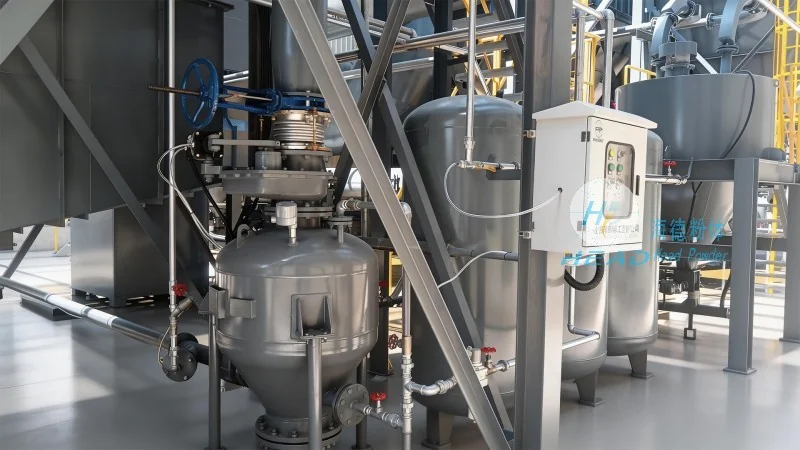
A coating pneumatic conveying system typically consists of several key components, each with a specific function. The material feed system, which may include hoppers or silos, ensures a consistent flow of material into the conveying line. The conveyor itself, whether it's a positive displacement blower or a venturi system, generates the necessary airflow to move the material. For pressure systems, a positive displacement blower provides a steady pressure, while venturi systems use high-velocity air to draw material into the line. In vacuum systems, a vacuum pump creates the suction needed to transport the material. The system also includes separation equipment, such as cyclones or bag filters, to separate the material from the air stream and return the material to the process or storage. Additionally, control systems are essential for monitoring pressure, flow, and other parameters to ensure the system operates within safe and efficient limits.
Design Considerations for System Efficiency and Reliability
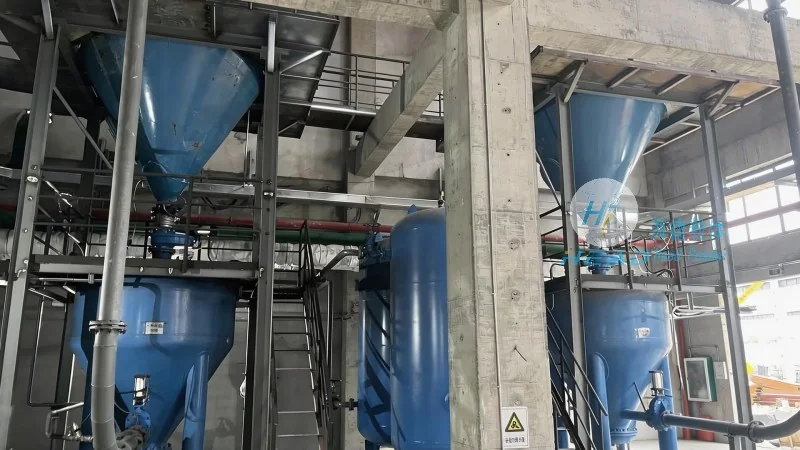
Efficiency and reliability are paramount when designing a pneumatic conveying system. Engineers must consider factors like energy consumption, as high-pressure systems can be energy-intensive. The use of energy-efficient components, such as variable frequency drives (VFDs) for blowers, can help reduce operational costs. Additionally, the system's reliability is enhanced by incorporating redundancy in critical components, such as backup filters or pumps, to minimize downtime in case of failures. Proper maintenance planning is also crucial, as regular cleaning and inspection of components can prevent clogs and extend the system's lifespan. By addressing these aspects, a well-designed system can deliver consistent performance over the long term.
Case Study: A Successful Coating Pneumatic Conveying System Implementation by Shandong HeadPowder Engineering Co., Ltd.
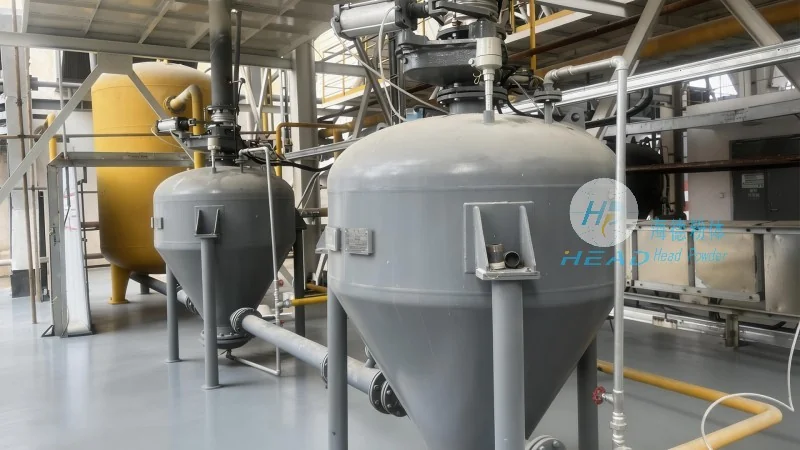
Shandong HeadPowder Engineering Co., Ltd., with its extensive experience in material handling solutions, has successfully implemented numerous coating pneumatic conveying systems across various industries. One notable project involved a large-scale paint manufacturing facility in China, where the company designed a pressure system to transport high-volume coating powders over a distance of 200 meters. The system was tailored to handle abrasive paint particles and included advanced separation equipment to ensure minimal material loss. The result was a significant reduction in material handling time and improved overall production efficiency. This case study highlights the importance of customizing the system design to meet specific operational needs and material characteristics.
Conclusion: The Importance of Professional System Design
Designing a reasonable coating pneumatic conveying system requires a comprehensive understanding of material properties, system components, and operational requirements. By considering these factors and working with experienced engineers, such as those at Shandong HeadPowder Engineering Co., Ltd., industries can achieve efficient, reliable, and cost-effective material handling solutions. The key is to balance the system's performance with its operational constraints, ensuring it meets the specific needs of the coating process while maximizing productivity and minimizing downtime.




