When it comes to efficiently handling wheat and other bulk materials, the design of a pneumatic conveying system is critical for ensuring smooth operations, minimal material loss, and optimal energy consumption. As a leading engineering firm, Shandong HeadPowder Engineering Co., Ltd. specializes in providing tailored solutions that meet the unique demands of agricultural and industrial applications. This article outlines key considerations and best practices for designing a reliable wheat pneumatic conveying system, with a focus on practical implementation and long-term performance.
Understanding the Core Principles of Wheat Pneumatic Conveying
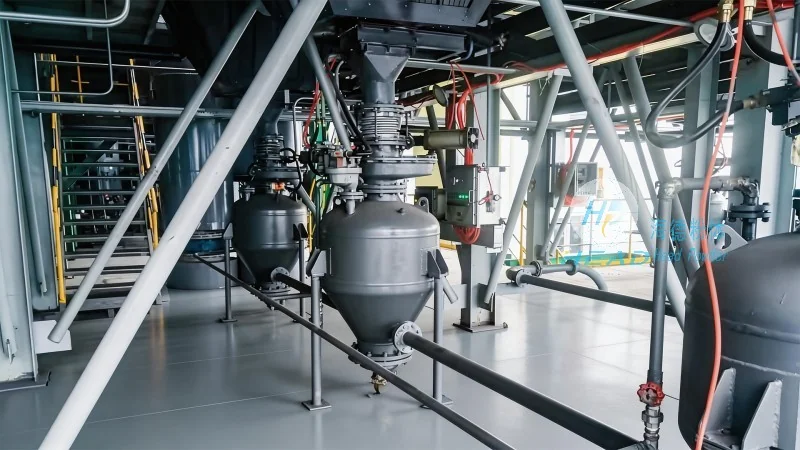
At the heart of any effective wheat pneumatic conveying system is the balance between air velocity, material properties, and system configuration. Wheat, with its specific density, moisture content, and particle size distribution, requires careful analysis to determine the most suitable conveying method—whether it's a positive pressure, negative pressure, or a combination of both. The choice of system type directly impacts efficiency, equipment lifespan, and operational costs. For instance, positive pressure systems are often preferred for long-distance or high-capacity applications, as they can maintain consistent air pressure and prevent material degradation. In contrast, negative pressure systems are better suited for short distances or when handling dusty materials, as they minimize the risk of dust dispersion.
Key Design Factors to Consider
Several critical factors must be evaluated during the design phase to ensure the system operates as intended. First, the material's bulk density and flowability are paramount. Wheat's characteristics, such as its tendency to form arches or ratholes, can affect how it moves through the system. Engineers must account for these behaviors by incorporating features like vibrators or air knives to prevent blockages. Second, the system's capacity and throughput requirements dictate the size of the conveying line, the number of inlets and outlets, and the power of the air compressor. A mismatch between the system's design and actual usage can lead to inefficiencies or equipment failure. Third, energy consumption is a significant consideration. Modern systems often employ variable frequency drives (VFDs) to adjust air pressure and flow, reducing energy waste while maintaining performance. Additionally, the choice of materials for the conveying line—such as stainless steel or polyethylene—must be made based on the wheat's moisture content and potential for corrosion.
System Components and Their Roles
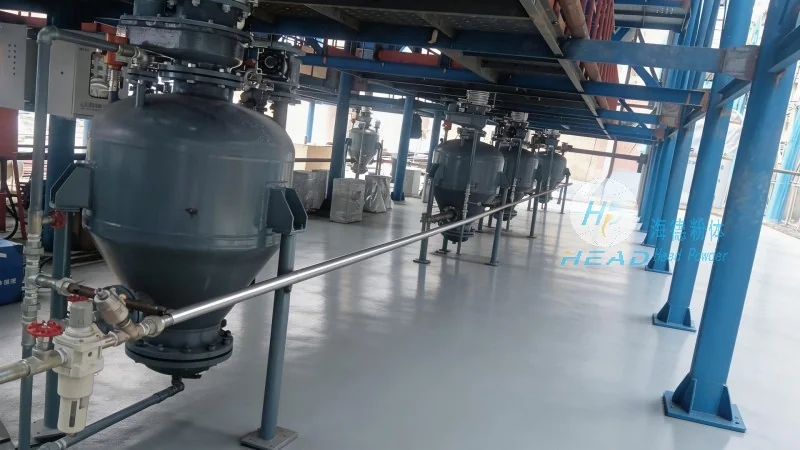
A well-designed wheat pneumatic conveying system comprises several interconnected components, each playing a vital role in the overall operation. The air compressor is the primary power source, generating the necessary pressure to move the material. It can be a rotary lobe or a centrifugal type, selected based on the system's pressure and flow needs. The hopper, where wheat is stored before being fed into the system, must be designed to prevent material bridging and ensure consistent flow. This may involve using cone-shaped hoppers with vibrators or air jets to break up arches. The conveying line itself is typically made of flexible or rigid tubing, with the diameter chosen to accommodate the wheat's particle size and the required air velocity. The line's length and elevation changes also impact the system's performance, as they affect the air pressure required to move the material. At the receiving end, a separator or cyclone is used to separate the wheat from the air, preventing dust from being released into the environment. This component is crucial for maintaining air quality and complying with environmental regulations.
Customization and Integration with Existing Facilities
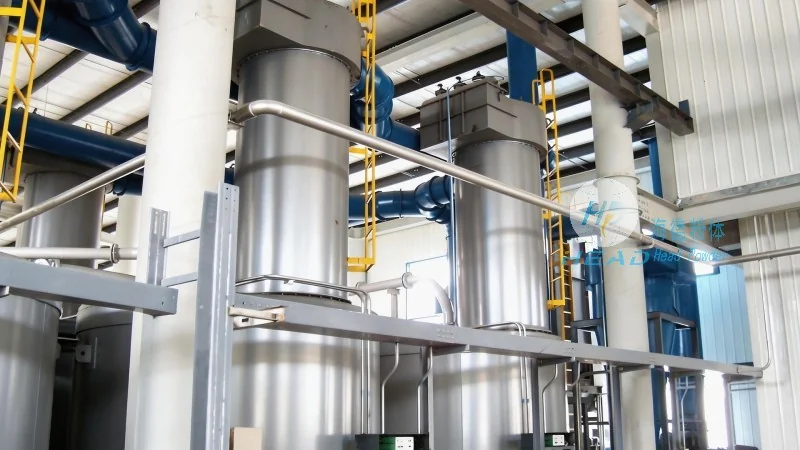
Shandong HeadPowder Engineering Co., Ltd. recognizes that each agricultural or industrial facility has unique constraints and requirements. Therefore, our approach to system design emphasizes customization. We work closely with clients to assess their existing infrastructure, such as storage silos, processing equipment, and space limitations, to integrate the pneumatic conveying system seamlessly. For example, if a facility already has a grain elevator, we can design the system to connect to it, reducing the need for additional equipment and minimizing installation costs. Additionally, we consider the client's operational schedule and maintenance needs, ensuring the system is designed for easy access to components for routine checks and repairs. This attention to detail not only improves the system's performance but also enhances its longevity and reliability.
Ensuring Compliance and Long-Term Performance
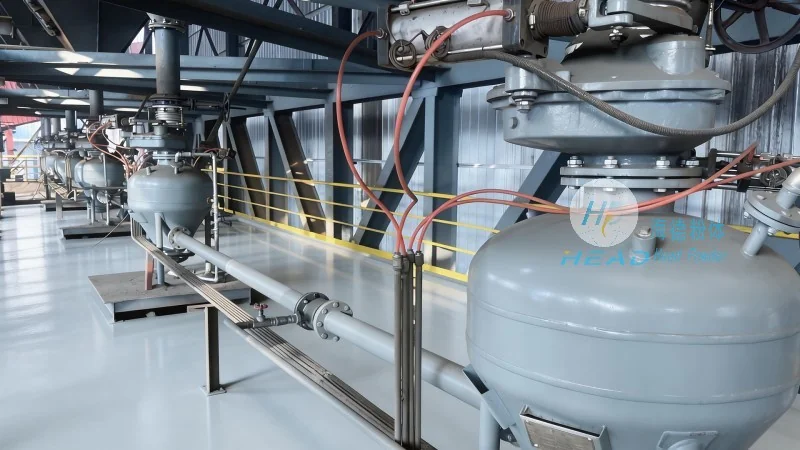
Compliance with safety and environmental standards is a non-negotiable aspect of modern pneumatic conveying system design. Shandong HeadPowder Engineering Co., Ltd. adheres to international regulations, such as those related to dust explosion prevention and air quality management. Our systems are equipped with safety features like pressure relief valves and dust collection systems to mitigate risks. Furthermore, we focus on durability and maintenance to ensure long-term performance. By using high-quality materials and robust construction, our systems can withstand the rigors of continuous operation, reducing downtime and maintenance costs over the system's lifespan. Regular maintenance schedules and spare parts availability are also critical components of our service offering, ensuring that clients can rely on their system for years to come.
Conclusion
Designing a reasonable wheat pneumatic conveying system requires a comprehensive understanding of material properties, system dynamics, and operational goals. By considering factors such as air velocity, material flowability, and energy efficiency, along with careful selection of components and customization to fit specific needs, engineers can create a system that maximizes productivity while minimizing costs and environmental impact. Shandong HeadPowder Engineering Co., Ltd. is committed to providing expert guidance and tailored solutions to help clients achieve these objectives, ensuring their wheat handling operations run smoothly and efficiently.




