How to Design a Reasonable Wool Pneumatic Conveying System Plan?
Release time:2026-09-10 19:42:04
name of the company:Shandong Headpowder Engineering Co., Ltd.
telephone:156-6277-7102
contacts:Zhang manager
When it comes to handling wool in industrial settings, the design of an efficient and reliable pneumatic conveying system is crucial. A well-designed system not only ensures smooth material transport but also minimizes operational costs and maintenance requirements. This article provides a comprehensive guide on how to design a reasonable wool pneumatic conveying system plan, tailored to the unique characteristics of wool and the specific needs of your operation.
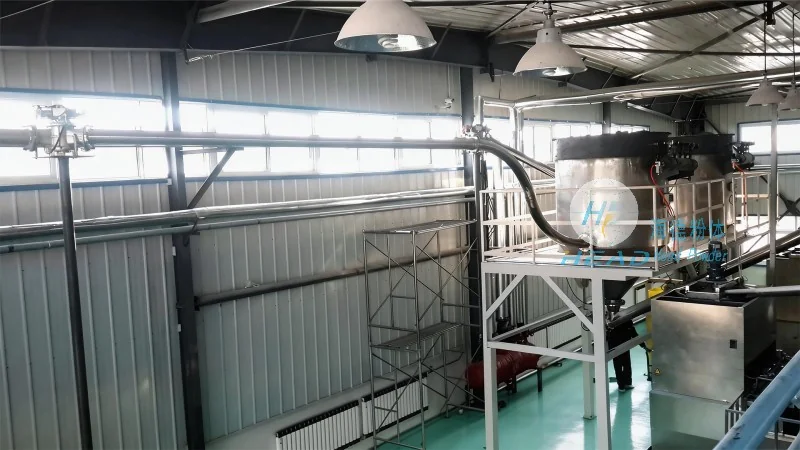
Understanding the Core Principles of Wool Pneumatic Conveying
Before diving into the design process, it's essential to understand the fundamental principles of pneumatic conveying for wool. Wool is a fibrous material with specific properties that influence system performance. Key factors include particle size, moisture content, bulk density, and the tendency to agglomerate or form dust. These characteristics directly impact the choice of conveying method—whether it's a pressure or vacuum system—and the selection of appropriate equipment such as feeders, hoppers, and pipelines.
Key Components of a Wool Pneumatic Conveying System
A typical wool pneumatic conveying system consists of several critical components that work in tandem to ensure effective material transport. The main components include:
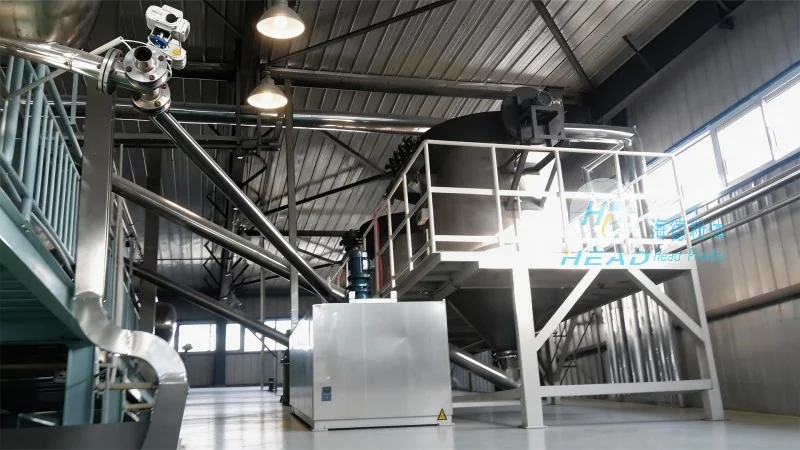
- Feed Hopper: A container that stores the wool and feeds it into the system at a controlled rate. The hopper design must account for the material's bulk density and flow characteristics to prevent bridging or clogging.
- Feeder: This device regulates the flow of wool from the hopper into the conveying line. For wool, a screw feeder or a rotary valve is commonly used to maintain a consistent feed rate, which is vital for system stability.
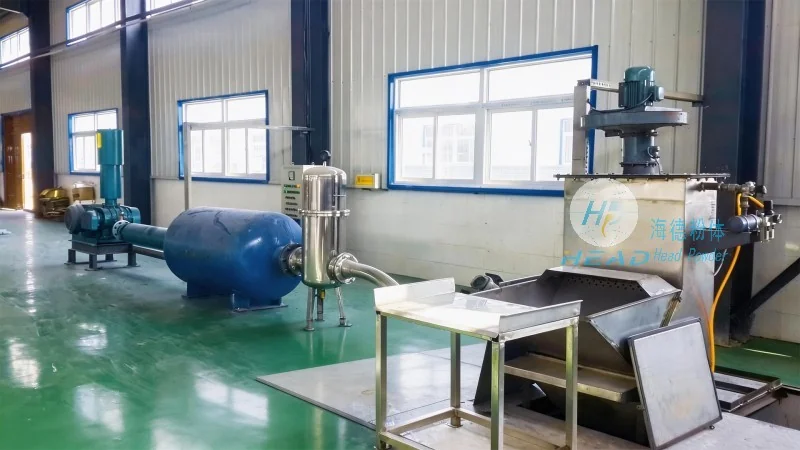
- Pneumatic Conveying Unit: The heart of the system, which can be either a positive pressure (blower-driven) or negative pressure (vacuum-driven) unit. The choice depends on the distance, height, and layout of the conveying path. Positive pressure systems are often preferred for long-distance or multi-point delivery due to their ability to handle higher pressures and maintain material integrity.
- Pipelines: The conduits that transport the wool-air mixture. The material of the pipeline (e.g., stainless steel, PVC, or aluminum) is selected based on the material's corrosiveness and the system's pressure requirements. Proper pipe sizing and slope are critical to prevent material settling or blockages.
- Separation and Collection Equipment: At the receiving end, equipment such as cyclones or filters is used to separate the wool from the air stream, ensuring clean material collection and preventing dust emissions.
Design Considerations for Optimal Performance
Designing a wool pneumatic conveying system requires careful consideration of several factors to ensure optimal performance and longevity. Here are the key design considerations:
- Material Characterization: Conduct thorough testing of the wool batch to determine its physical properties. This includes particle size distribution, moisture content, and bulk density. Accurate data is essential for selecting the right equipment and system parameters.
- Conveying Distance and Height: The distance and vertical lift required will dictate the system's pressure needs. Longer or higher conveying paths may require higher air velocities or additional boosters to maintain material transport.
- System Pressure and Airflow: The pressure and airflow rate are critical parameters. For wool, a typical air velocity range is between 20-30 m/s for positive pressure systems. The airflow must be sufficient to entrain the wool particles without causing excessive wear on the pipeline or equipment.
- Equipment Sizing: Proper sizing of the feeder, blower, and pipelines is essential. Under-sizing can lead to blockages or reduced efficiency, while over-sizing increases energy consumption and costs.
- Material Handling and Safety: Wool is a fine, dust-prone material, so dust control measures are crucial. This includes using sealed hoppers, proper filtration, and ensuring the system complies with safety regulations to prevent dust explosions.
Step-by-Step Design Process for a Wool Pneumatic Conveying System
Following a structured design process helps ensure all aspects of the system are considered. Here's a step-by-step guide:
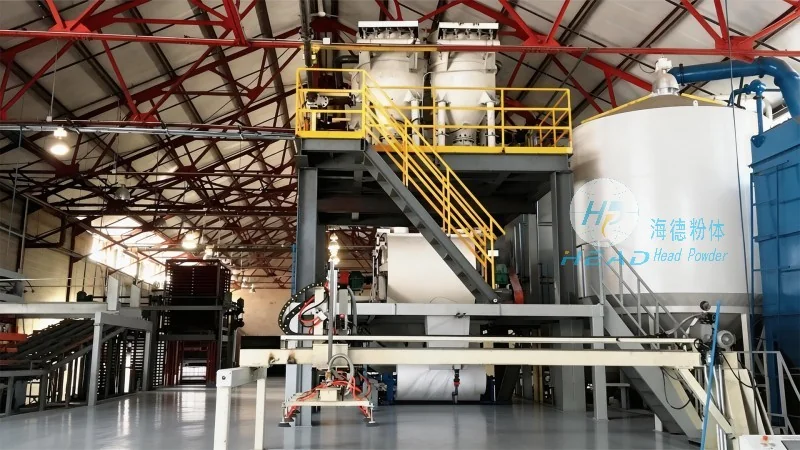
- Define System Requirements: Clearly outline the operational parameters, including the required conveying capacity, distance, and height. Consult with the end-user to understand their specific needs and constraints.
- Analyze Material Properties: Perform laboratory tests to gather data on the wool's physical characteristics. This data will be used to select appropriate equipment and system configurations.
- Select Conveying Method: Based on the analysis, determine whether a positive or negative pressure system is more suitable. Consider factors such as distance, layout, and material properties.
- Design the System Layout: Create a schematic of the system, including the location of the feed hopper, feeder, conveying unit, and collection equipment. Ensure proper pipe routing and slope to prevent material settling.
- Calculate System Parameters: Use the material properties and layout to calculate the required air velocity, pressure, and airflow rate. This involves selecting the appropriate blower or vacuum pump and determining the pipe diameter.
- Equipment Selection: Choose the specific components based on the calculated parameters. This includes selecting the feeder type, pipeline material, and separation equipment.
- Simulation and Testing: Before finalizing the design, conduct simulations or pilot tests to validate the system's performance. This helps identify any potential issues and allows for adjustments before full-scale implementation.
- Final Design and Documentation: Compile all design details into a comprehensive plan, including schematics, component specifications, and operational guidelines. This documentation is essential for installation, maintenance, and future troubleshooting.
Benefits of a Well-Designed Wool Pneumatic Conveying System
A properly designed wool pneumatic conveying system offers several advantages over traditional methods such as belt conveyors or manual handling. These benefits include:
- Efficiency and Speed: Pneumatic systems can transport wool quickly and continuously, reducing processing time and increasing overall productivity.
- Cleanliness and Hygiene: The enclosed system prevents contamination from dust and external elements, which is critical for maintaining the quality of wool products.
- Space Efficiency: Pneumatic conveying systems require less floor space compared to traditional conveyor systems, making them ideal for facilities with limited space.
- Reduced Labor Costs: Automated systems minimize the need for manual labor, reducing labor costs and the risk of workplace injuries.
- Low Maintenance: With fewer moving parts and enclosed components, pneumatic systems typically require less maintenance compared to mechanical conveyors.
Conclusion
Designing a reasonable wool pneumatic conveying system requires a thorough understanding of the material's properties, careful consideration of system components, and adherence to best practices. By following the steps outlined in this guide and leveraging the expertise of experienced engineers, you can develop a system that meets your operational needs while maximizing efficiency and minimizing costs. For professional assistance in designing and implementing a wool pneumatic conveying system, contact Shandong HeadPowder Engineering Co., Ltd., a leading provider of engineering solutions based in Shandong, China.




