For industrial applications involving gelatin, the design of an efficient and reliable pneumatic conveying system is crucial to ensure smooth material handling and maintain product quality. This article provides a detailed guide on how to design a reasonable gelatin pneumatic conveying system plan, focusing on key considerations and practical steps to achieve optimal performance.
Gelatin Pneumatic Conveying System: Core Components and Design Principles
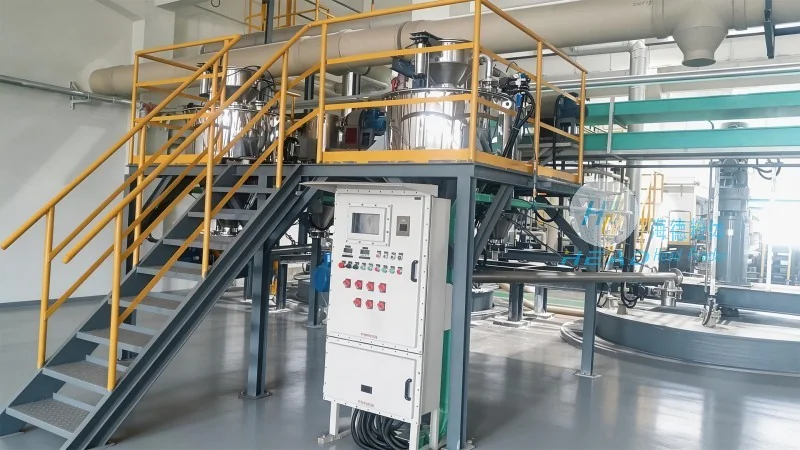
Gelatin, a protein derived from collagen, is widely used in the food, pharmaceutical, and cosmetic industries due to its functional properties. When handling gelatin through pneumatic conveying, several factors must be considered to prevent material degradation, blockages, or system inefficiencies. The primary components of a gelatin pneumatic conveying system include the feeding device, conveying pipeline, air source, separation equipment, and control system. Each component plays a critical role in the overall system performance.
Key Factors in System Design: Material Characteristics and Process Requirements
The first step in designing a gelatin pneumatic conveying system is to analyze the material's physical and chemical properties. Gelatin particles typically have a certain size distribution, moisture content, and viscosity, which directly impact the selection of the feeding mechanism and pipeline design. For example, if the gelatin has a high moisture level or is prone to clumping, a vibratory feeder or a rotary valve with a larger opening might be necessary to prevent blockages. The system must also accommodate the required conveying capacity and distance, as these parameters dictate the air flow rate and pressure needed from the blower.
Component Selection: Feeding Devices and Conveying Pipelines
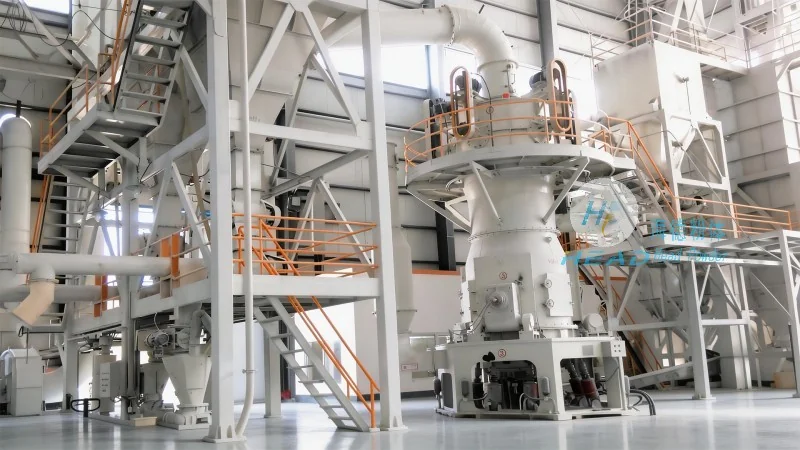
The feeding device is responsible for introducing gelatin into the conveying pipeline at a consistent rate. Common feeding options for gelatin include screw feeders, vibratory feeders, and rotary valves. Screw feeders are suitable for dry, free-flowing gelatin but may struggle with sticky or moist materials. Vibratory feeders, on the other hand, use mechanical vibration to move material, which is effective for handling cohesive or sticky gelatin. The choice of feeder depends on the gelatin's moisture content and flow characteristics. The conveying pipeline is usually made of stainless steel to resist corrosion and withstand the abrasive nature of gelatin particles. The diameter and length of the pipeline are critical; larger diameters reduce pressure drop but increase cost, while shorter lengths may require higher air pressure.
Air Source and Pressure Considerations
The air source, typically a centrifugal or positive displacement blower, provides the necessary airflow and pressure to move gelatin through the system. The air volume and pressure must be calculated based on the conveying distance, material density, and pipeline friction losses. For gelatin, a positive pressure system is often preferred as it prevents material from being drawn back into the pipeline and reduces the risk of contamination. The blower's capacity should be sized to ensure sufficient air velocity to maintain the material in suspension without causing excessive wear on the pipeline or components.
Separation and Collection Equipment
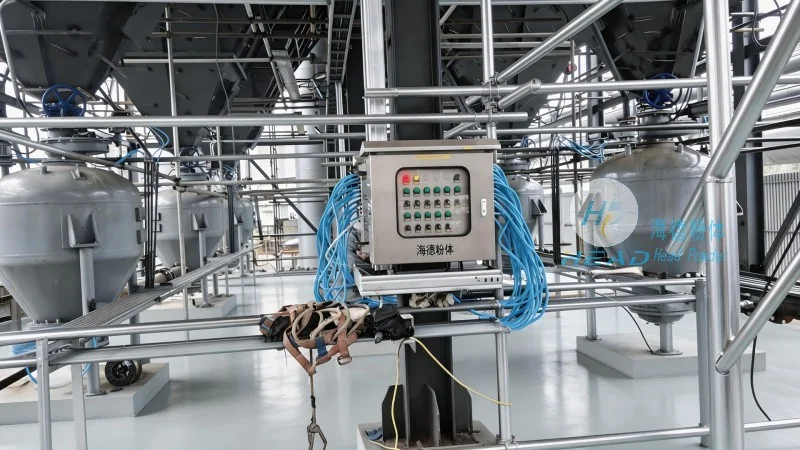
At the end of the conveying line, separation equipment is used to separate the gelatin from the air stream. This is typically achieved using a cyclone separator or a baghouse filter. The cyclone separator uses centrifugal force to separate particles from the air, while the baghouse filter captures fine particles using fabric bags. The choice of separator depends on the gelatin's particle size and the required level of air cleanliness. The collection hopper should be designed to prevent material buildup and ensure easy discharge of the conveyed gelatin.
Control and Monitoring Systems
Effective control and monitoring are essential for maintaining the stability and efficiency of the gelatin pneumatic conveying system. Sensors and controllers can be used to monitor air pressure, flow rate, and material level in the hopper. Automated controls can adjust the feeder speed or blower speed in response to changes in material feed rate or pipeline pressure, ensuring consistent performance. Regular maintenance of the system components, such as cleaning the cyclone separator or replacing filter bags, is also critical to prevent system downtime and maintain product quality.
Case Study: Application in the Food Industry
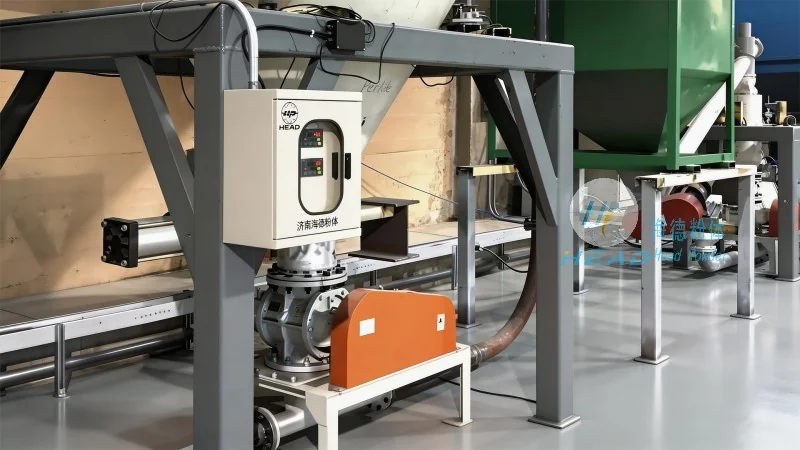
A practical example of a gelatin pneumatic conveying system is in a food processing plant where gelatin is used as an ingredient in candy or gelatin desserts. The system is designed to transport gelatin from storage silos to mixing tanks. The feeding device is a vibratory feeder due to the gelatin's tendency to clump, and the pipeline is stainless steel with a diameter of 150mm. The blower provides a pressure of 0.8 bar and a flow rate of 10 m³/min, sufficient to convey the gelatin over a distance of 50 meters. The cyclone separator at the end of the line ensures that the gelatin is collected without any air contamination, maintaining the product's purity. This system has demonstrated high efficiency and reliability, with minimal downtime and consistent material flow.
Conclusion: Designing an Optimal Gelatin Pneumatic Conveying System
Designing a reasonable gelatin pneumatic conveying system requires a comprehensive understanding of the material's properties, the process requirements, and the system components. By carefully analyzing these factors and selecting appropriate equipment, manufacturers can achieve efficient, reliable, and cost-effective material handling. The key is to balance the system's performance with its operational costs, ensuring that it meets the specific needs of the application while maintaining product quality. For companies in the gelatin industry, working with experienced engineering firms like Shandong HeadPowder Engineering Co., Ltd. (headpowder), based in Shandong, China, can provide expert guidance in designing and implementing such systems, tailored to their unique operational requirements.




