When it comes to optimizing the production process in the brewing industry, the design of an efficient and reliable pneumatic conveying system for fermented grain is a critical consideration. A well-designed system not only enhances operational efficiency but also ensures product quality and safety throughout the conveying process. This article will explore key factors and considerations for designing a reasonable pneumatic conveying system for fermented grain, with a focus on practical applications and technical solutions.
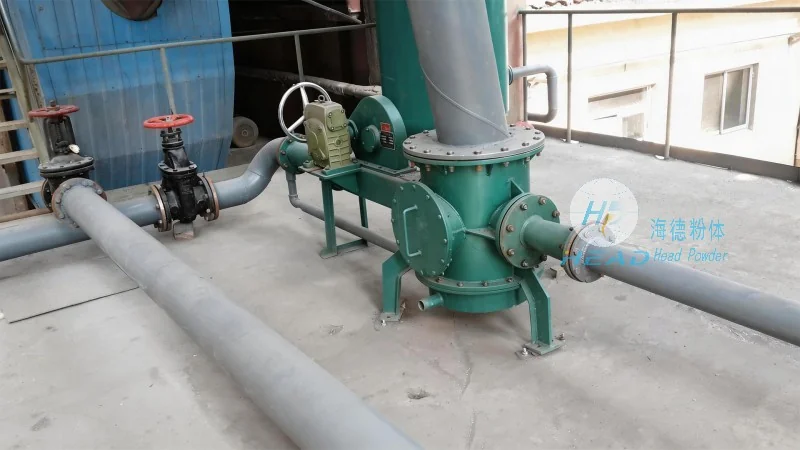
Understanding the Importance of Pneumatic Conveying in Fermented Grain Handling
In the brewing industry, fermented grain (mash) is a key ingredient that requires careful handling from the fermentation stage to the storage and distribution phase. Traditional methods of conveying fermented grain, such as manual handling or mechanical conveyors, may introduce contamination risks, increase labor costs, and reduce overall efficiency. Pneumatic conveying systems offer a hygienic, dust-free, and automated solution that addresses these challenges effectively. By using compressed air to transport fermented grain, these systems minimize the risk of product contamination, maintain product integrity, and improve operational flexibility. The choice of a pneumatic conveying system is therefore essential for breweries aiming to enhance their production processes and meet modern industry standards.
Key Factors to Consider in System Design
Designing a pneumatic conveying system for fermented grain involves several critical factors that must be carefully evaluated to ensure optimal performance. The first consideration is the material characteristics of the fermented grain, including its moisture content, particle size, and flowability. These properties directly impact the system's design, such as the type of conveying line (e.g., dilute-phase or dense-phase), the required air pressure, and the overall system layout. For example, if the fermented grain has high moisture content and is prone to clumping, a dilute-phase system with appropriate air velocity and line diameter may be more suitable to prevent blockages and maintain consistent flow. Another crucial factor is the system's capacity and throughput requirements. The design must accommodate the brewery's production volume, ensuring that the conveying system can handle the expected flow rates without bottlenecks or inefficiencies. Additionally, the system's hygienic design is paramount, as fermented grain is a food product that requires strict adherence to sanitary standards. Materials used in the system, such as stainless steel for components like hoppers, pipes, and valves, must be easy to clean and maintain, reducing the risk of bacterial growth and contamination. The system's energy efficiency is also a key consideration, as compressed air consumption directly impacts operational costs. By optimizing the air pressure and flow rate, a well-designed system can minimize energy usage while maintaining performance.
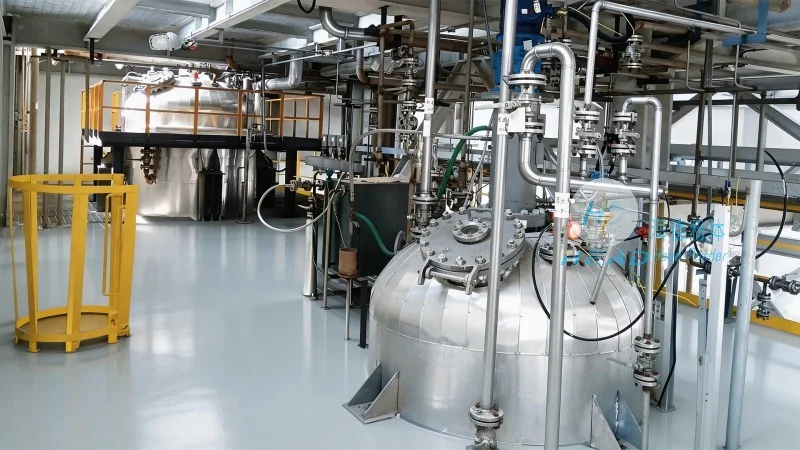
Components of a Pneumatic Conveying System for Fermented Grain
A pneumatic conveying system for fermented grain typically consists of several key components that work together to ensure efficient and reliable operation. The primary components include a hopper or feeder to store and feed the fermented grain, a compressor or air source to provide the necessary air pressure, a conveying line (e.g., flexible or rigid pipes) to transport the material, and a receiver or storage tank to collect the conveyed material. The hopper or feeder is designed to maintain a consistent material level and prevent clogging, often equipped with a discharge valve or rotary valve to control the flow rate. The compressor or air source is responsible for generating the required air pressure, which can range from low to high pressure depending on the system's design. For dilute-phase systems, lower air pressures (typically 0.5 to 1 bar) are used, while dense-phase systems may require higher pressures (up to 6 bar) to achieve higher conveying rates and reduce material degradation. The conveying line is a critical component that must be selected based on the material's characteristics and the system's requirements. Flexible hoses are commonly used for short-distance conveying, offering flexibility and ease of installation, while rigid pipes are preferred for longer distances or high-pressure applications. The receiver or storage tank is designed to collect the conveyed fermented grain, often with a discharge valve to allow for easy unloading. Additional components may include filters to remove dust or debris from the air, pressure regulators to control air pressure, and safety valves to prevent over-pressurization. Each component plays a vital role in the overall performance of the system, and proper selection and integration are essential for achieving optimal results.
Design Considerations for System Layout and Integration
The layout and integration of a pneumatic conveying system for fermented grain are critical to its effectiveness and efficiency. The system's layout should be designed to minimize the distance between the fermentation tank and the storage or processing area, reducing the risk of material degradation and improving overall throughput. The position of the hopper and receiver should be carefully considered to ensure smooth material flow and avoid unnecessary vertical or horizontal changes in the conveying line. For example, a vertical conveying line may be used to transport fermented grain from a lower level to a higher storage tank, while horizontal lines are used for longer horizontal distances. The system should also be integrated with other production equipment, such as mixers or storage tanks, to ensure seamless operation. Proper sealing and connection points are essential to prevent air leakage and maintain the system's pressure. The use of flexible connectors and proper pipe clamps can help minimize air loss and ensure consistent performance. Additionally, the system's maintenance and accessibility should be considered during the design phase. Access points for cleaning, maintenance, and component replacement should be strategically placed to facilitate regular upkeep and reduce downtime. By carefully planning the system's layout and integration, breweries can achieve a more efficient and reliable operation, reducing the risk of material loss and improving overall productivity.
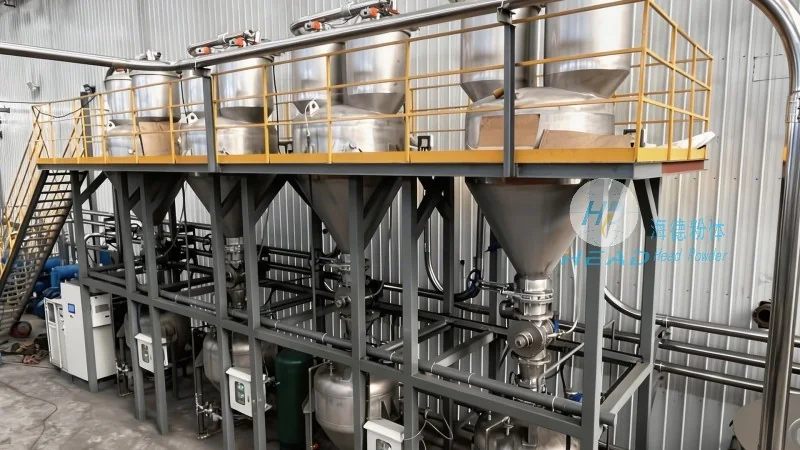
Case Study: A Successful Pneumatic Conveying System Implementation
Shandong HeadPowder Engineering Co., Ltd., a leading provider of engineering solutions for the food and beverage industry, recently completed a project for a major brewery in China. The brewery required a new pneumatic conveying system to transport fermented grain from the fermentation tanks to the storage silos, with a capacity of 10 tons per hour. The system was designed using a dilute-phase pneumatic conveying approach, utilizing stainless steel components and flexible hoses for horizontal and vertical conveying. The system was integrated with the brewery's existing production equipment, including mixers and storage tanks, to ensure seamless operation. The design considered the fermented grain's moisture content and flowability, with appropriate air velocity and line diameter to prevent blockages. The system's performance was evaluated during the installation and commissioning phase, with results showing a 20% increase in throughput compared to the previous manual handling method. The system also reduced labor costs by 30% and minimized product contamination risks. This case study demonstrates the effectiveness of a well-designed pneumatic conveying system for fermented grain, highlighting the importance of proper design and integration in achieving operational efficiency and product quality.
Conclusion: Optimizing Fermented Grain Handling with Pneumatic Conveying
Designing a reasonable pneumatic conveying system for fermented grain is a complex but essential task for breweries aiming to enhance their production processes. By considering key factors such as material characteristics, system capacity, hygienic design, and energy efficiency, breweries can select and implement a system that meets their specific needs. The components of a pneumatic conveying system, including hoppers, compressors, conveying lines, and receivers, must be carefully selected and integrated to ensure optimal performance. Proper system layout and integration are also critical to minimize material degradation and improve overall throughput. As demonstrated in the case study, a well-designed pneumatic conveying system can significantly improve operational efficiency, reduce labor costs, and enhance product quality. For breweries looking to upgrade their fermented grain handling processes, partnering with a reputable engineering company like Shandong HeadPowder Engineering Co., Ltd. can provide the expertise and solutions needed to achieve success. By investing in a reliable pneumatic conveying system, breweries can ensure the smooth and efficient operation of their production lines, meeting modern industry standards and maintaining a competitive edge in the market.




