Manganese sulfate is a widely used chemical in various industrial applications, including water treatment, battery production, and fertilizer manufacturing. The efficient and reliable transport of this material from storage to processing units is crucial for maintaining production efficiency and minimizing operational costs. Pneumatic conveying systems offer a viable solution for handling manganese sulfate, especially when dealing with its granular or powdered form. However, designing a system that is both effective and cost-efficient requires careful consideration of several key factors. This article outlines the essential steps and considerations for designing a reasonable manganese sulfate pneumatic conveying system, with a focus on practical solutions tailored to industrial needs.
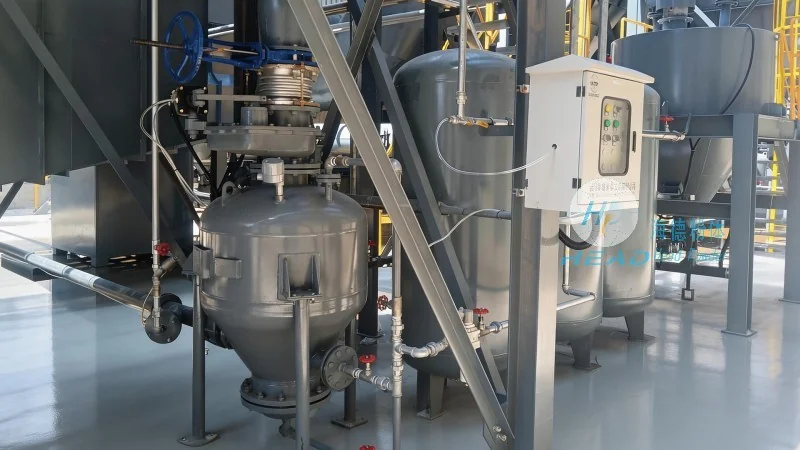
Understanding the Key Requirements for Manganese Sulfate Handling
Before diving into the design process, it is important to understand the specific characteristics of manganese sulfate that influence system selection. Manganese sulfate typically exists as a white or light green crystalline powder with a Mohs hardness of around 2-3. Its density is approximately 2.7 g/cm³, and it can be hygroscopic, meaning it absorbs moisture from the air. These properties affect the choice of materials for the conveying system, such as the type of pipes, valves, and equipment used. Additionally, the particle size distribution of the material—ranging from fine powders to coarse granules—determines the appropriate air velocity and system configuration to prevent blockages and ensure smooth flow. The corrosive nature of manganese sulfate, especially in aqueous solutions, also necessitates the use of corrosion-resistant materials like stainless steel or special coatings for components that come into direct contact with the material.
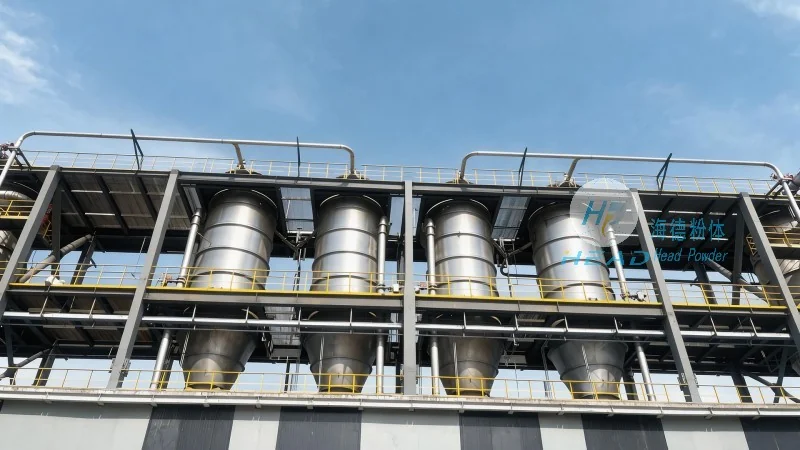
System Design Considerations: From Material Flow to Equipment Selection
The core of a successful pneumatic conveying system design lies in accurately calculating the material flow rate and air velocity. The flow rate, measured in tons per hour or kilograms per second, is determined by the production capacity and the required throughput of the system. Air velocity, on the other hand, must be high enough to keep the material suspended but low enough to avoid excessive wear on the system components. A common approach is to use a velocity of 20-30 m/s for fine powders and 15-25 m/s for larger granules, adjusted based on the specific characteristics of the manganese sulfate being handled. The system configuration—whether it is a positive pressure, negative pressure, or a combination of both—also plays a critical role. Positive pressure systems, where air is blown into the material to push it forward, are often preferred for handling abrasive or corrosive materials like manganese sulfate, as they provide better control over the flow and reduce the risk of material degradation. The pipeline layout, including the number of bends, vertical and horizontal sections, and the use of expansion joints or flexible connectors, must be optimized to minimize pressure losses and prevent particle segregation or agglomeration.
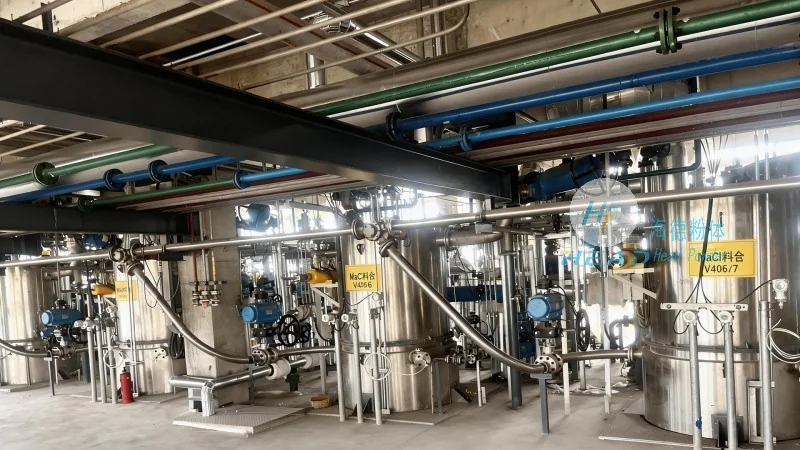
Equipment Selection: Ensuring Durability and Efficiency
Choosing the right equipment is essential for the long-term performance and reliability of the pneumatic conveying system. The primary components include the feeder, which feeds the material into the pipeline, the air compressor or blower, which provides the necessary air pressure, and the conveying line itself. For manganese sulfate, a rotary valve or a star feeder is commonly used as the feeder, as they can handle dry powders and granules without clogging. The air compressor should be selected based on the required pressure and flow rate, with options including centrifugal blowers, positive displacement blowers, or even vacuum pumps for negative pressure systems. The conveying line is typically made of stainless steel or PVC, depending on the material's corrosive properties and the operating conditions. The use of smooth, non-porous pipes is crucial to prevent material buildup and ensure consistent flow. Additionally, the inclusion of filters and cyclones in the system helps to separate the material from the air, allowing for the recycling of the air and the collection of the material in a dust-free manner. This not only improves efficiency but also enhances safety by reducing airborne dust exposure.
Addressing Common Challenges and Ensuring System Reliability
Despite careful design, pneumatic conveying systems can face challenges such as blockages, pressure drops, and material degradation. Blockages often occur due to the agglomeration of fine particles or the presence of moisture, which can be mitigated by adding anti-caking agents or using a humidifier to control the material's moisture content. Regular maintenance, including cleaning the pipes and filters, and inspecting the equipment for wear and tear, is essential to prevent these issues. Pressure drops can be caused by excessive bends or long horizontal runs, which can be addressed by optimizing the pipeline layout and using larger diameter pipes where necessary. Material degradation, such as the breakdown of crystalline structures or the formation of dust, can be minimized by controlling the air velocity and temperature within the system. Maintaining a consistent temperature, typically between 20-30°C, helps to prevent moisture absorption and maintain the material's quality. The use of temperature-controlled conveying lines or the addition of a heating element in the system can further enhance the material's stability.
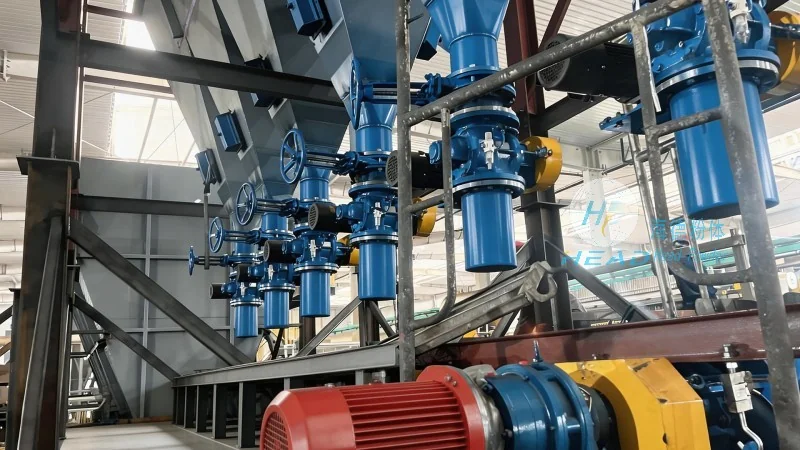
Case Study: A Successful Manganese Sulfate Pneumatic Conveying System by Shandong HeadPowder Engineering Co., Ltd.
Shandong HeadPowder Engineering Co., Ltd., a leading provider of industrial conveying solutions, has successfully designed and implemented a pneumatic conveying system for a client handling manganese sulfate in a battery production facility. The system was designed to transport 10 tons of material per hour from a storage silo to a processing unit, with a total pipeline length of 150 meters and 8 bends. The system utilized a positive pressure configuration with a stainless steel conveying line and a rotary valve feeder. The air compressor was selected to provide a pressure of 0.6 MPa and a flow rate of 10 m³/min, ensuring a stable air velocity of 25 m/s. The system was equipped with a cyclone separator and a dust collection system, which recovered over 95% of the material and recycled the air back into the system. The client reported a significant reduction in labor costs and material loss, as well as improved production efficiency. This case study highlights the importance of a well-designed pneumatic conveying system in optimizing the handling of manganese sulfate and achieving operational excellence.




