For industrial applications involving the transport and handling of lithium manganese oxide (LMO) materials, specialized systems are essential to ensure efficiency, safety, and reliability. These systems are designed to manage the unique properties of LMO, which is widely used in lithium-ion batteries due to its stable performance and cost-effectiveness. The following sections will explore the working principle and key features of such material handling systems, highlighting how they address the specific challenges associated with LMO processing.
Working Principle of the Material Handling System
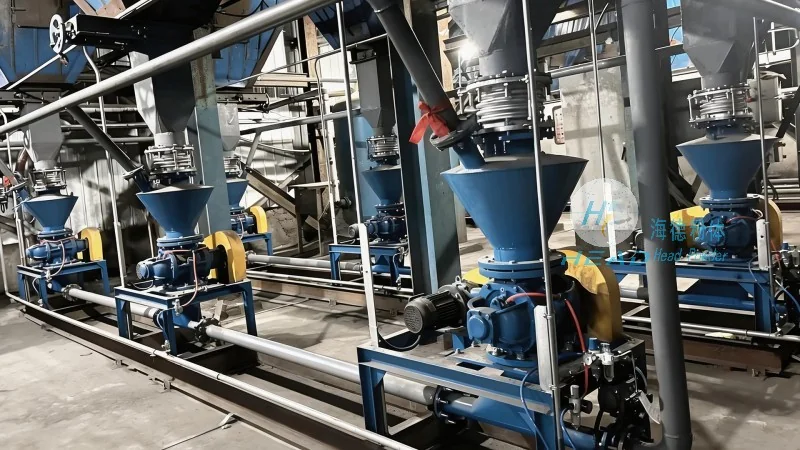
The lithium manganese oxide material handling system operates on a systematic approach to material flow, integrating multiple components to achieve seamless transportation. At its core, the system typically includes feeding mechanisms, conveying equipment, storage solutions, and discharge units, all coordinated to move LMO from raw material storage to processing or packaging stages. The feeding stage often involves hoppers or silos that store bulk LMO, with level sensors monitoring inventory levels to trigger feeding operations. This ensures a continuous supply of material to the conveying system.
The conveying equipment, such as belt conveyors, screw conveyors, or pneumatic transport systems, is selected based on the physical characteristics of LMO, including its density, particle size, and moisture content. Belt conveyors are commonly used for horizontal or slight incline transport due to their ability to handle large volumes of material with minimal maintenance. Screw conveyors are ideal for vertical or inclined transport, providing a compact solution for elevating LMO to higher levels. Pneumatic systems, on the other hand, are suitable for fine powders or dusty LMO, using air pressure to move material through pipelines. Each component is engineered to minimize material degradation, ensuring that the LMO remains in its original state throughout the handling process.
The storage and processing stages may include silos or bulk containers that store LMO before further processing. These storage units are equipped with aeration systems to control moisture and prevent caking, which is critical for maintaining the quality of LMO. The discharge mechanism, often a valve or gate system, regulates the release of material to downstream equipment, such as mixers or packaging machines. The entire system is controlled by a programmable logic controller (PLC), which monitors parameters like temperature, pressure, and flow rate to optimize performance and prevent operational issues.
Key Features of the Lithium Manganese Oxide Material Handling System
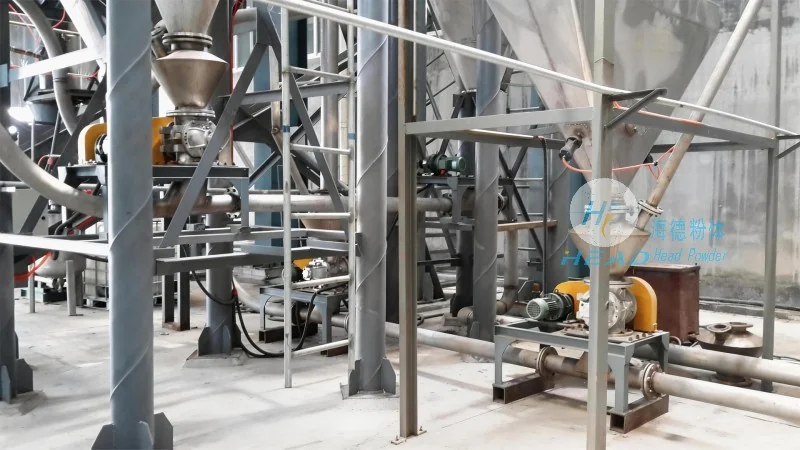
Several key features distinguish the lithium manganese oxide material handling system from conventional material handling solutions, making it particularly suitable for LMO processing. First, the system is designed with corrosion-resistant materials to handle the chemical properties of LMO, which may be reactive under certain conditions. Stainless steel or special alloys are commonly used for components that come into direct contact with the material, ensuring durability and preventing contamination.
Second, the system incorporates advanced control technologies to enhance operational efficiency. The PLC-based control system allows for real-time monitoring and adjustment of parameters, such as conveyor speed and feeding rate, based on production demands. This adaptability is crucial for maintaining consistent output and reducing downtime. Additionally, the system may include sensors for detecting material levels, flow rates, and potential blockages, providing early warnings to operators and preventing system failures.
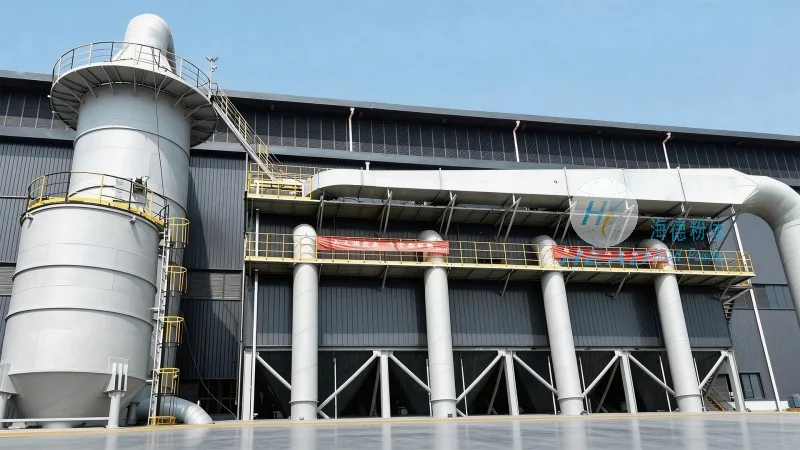
Third, the design prioritizes safety and environmental compliance. The system is equipped with dust suppression mechanisms, such as dust collection systems or enclosures, to minimize airborne particulates and comply with environmental regulations. This is particularly important for LMO, which can generate fine dust during handling. The system also includes emergency stop buttons and safety interlocks to protect operators from potential hazards, such as moving parts or material spills.
Fourth, the system is built for scalability and flexibility. It can be customized to accommodate varying production volumes and LMO specifications, allowing manufacturers to adapt to changing market demands. The modular design enables easy integration of additional components, such as additional conveyors or storage units, without disrupting existing operations. This flexibility is essential for industries that require consistent and reliable material handling solutions.
Application and Benefits in Industrial Settings
The lithium manganese oxide material handling system is widely used in battery manufacturing facilities, where LMO is a key component of lithium-ion batteries. The system’s ability to handle bulk LMO efficiently and safely contributes to the overall productivity of the battery production line. By reducing material handling time and minimizing losses, the system helps manufacturers improve their cost-effectiveness and competitiveness. Additionally, the system’s design ensures that LMO is processed under controlled conditions, maintaining its quality and performance characteristics, which is critical for battery performance.
For companies operating in the battery industry, investing in a specialized LMO material handling system offers several benefits. The system’s reliability reduces the risk of production disruptions, while its efficiency improves overall operational performance. The advanced control features allow for precise management of material flow, ensuring that production targets are met consistently. Furthermore, the system’s safety features protect both equipment and personnel, minimizing the risk of accidents and associated costs.
Shandong HeadPowder Engineering Co., Ltd., a leading provider of material handling solutions, specializes in designing and manufacturing systems tailored to the needs of LMO processing. With years of experience in the industry, the company has developed a deep understanding of the unique challenges associated with LMO handling and has developed innovative solutions to address them. The company’s systems are engineered to meet the highest standards of quality and performance, ensuring that customers receive reliable and efficient material handling solutions.




