Understanding the working principle and features of sodium dithionite material handling systems is crucial for industries that rely on this chemical for various applications. This article provides an in-depth look at how these systems operate and the key characteristics that make them effective in material transport and processing.
Introduction to Sodium Dithionite Material Handling Systems
Sodium dithionite, also known as hydrosulfite, is a white crystalline powder widely used in the textile, paper, and food industries as a reducing agent. Efficient and safe handling of this material is essential due to its reactivity and potential hazards. The material handling systems designed for sodium dithionite must address these challenges while ensuring optimal performance and reliability.
Working Principle of the Material Handling System
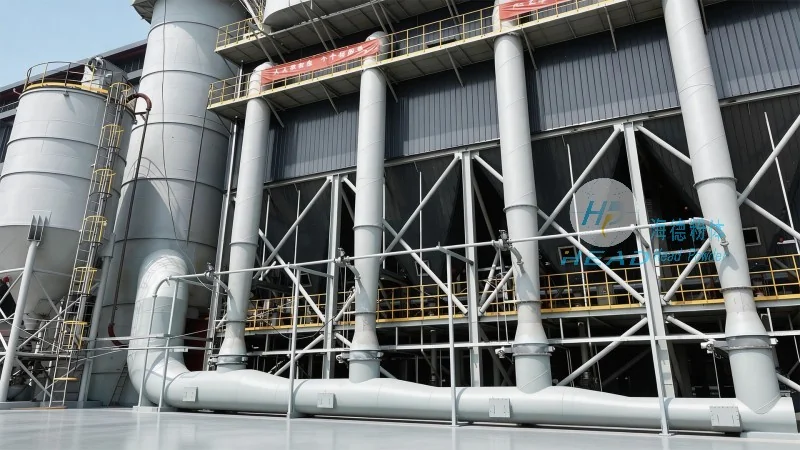
The core working principle of a sodium dithionite material handling system involves several integrated components working in tandem to transport, store, and process the material. The system typically starts with a storage silo or hopper where the sodium dithionite is stored under controlled conditions to prevent moisture absorption and degradation. From the storage unit, a conveyor system, often equipped with special materials to resist corrosion, transports the material to the processing area or discharge point.
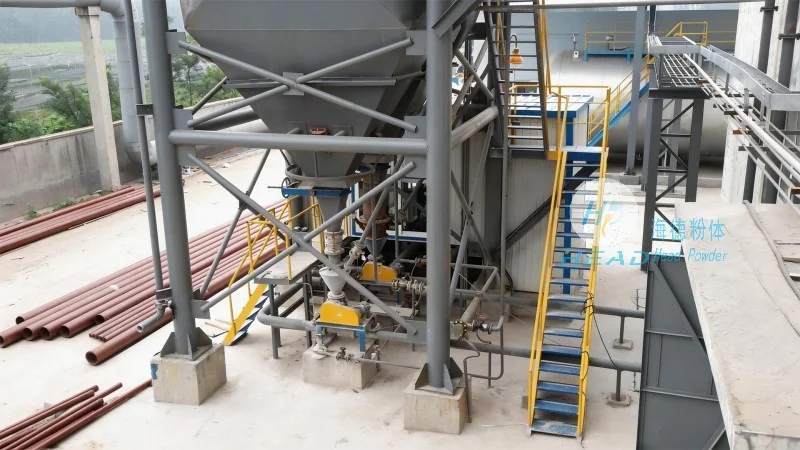
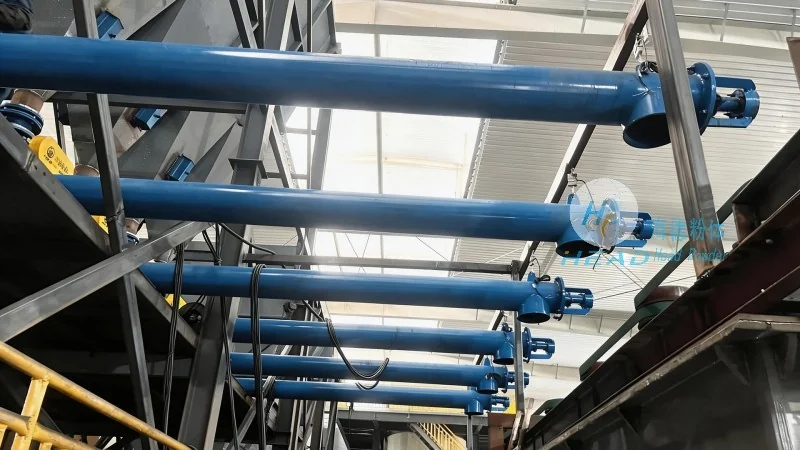
Key components in the working principle include: feeders, which regulate the flow of material from the storage to the conveyor; conveyor belts or screw conveyors that move the material through the system; and control mechanisms that monitor and adjust the flow rate based on operational needs. The system may also incorporate dust suppression and ventilation systems to manage the chemical's dust and fumes, ensuring a safe working environment.
Key Features of the Material Handling System
The features of a sodium dithionite material handling system are designed to enhance efficiency, safety, and durability. One of the primary features is the use of corrosion-resistant materials in all contact parts, such as stainless steel or specialized alloys, to withstand the chemical's reactivity and prevent contamination. This ensures the longevity of the equipment and maintains the purity of the material.
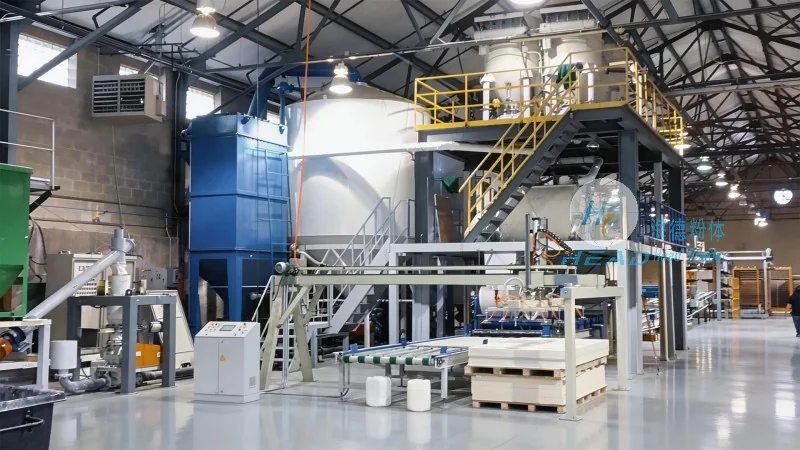
Another important feature is the integration of automated control systems that allow for precise monitoring and adjustment of the material flow. These systems can include sensors to detect the level of material in the storage silo, temperature and humidity controls to maintain optimal conditions, and alarms for any abnormal conditions like overfilling or system malfunctions. This automation reduces the risk of human error and enhances operational safety.
Additionally, the system often includes dust collection and filtration systems to capture and neutralize any airborne particles, protecting both the environment and the personnel working with the material. The design also considers space efficiency and ease of maintenance, with accessible components and modular construction that allows for easy repairs and upgrades.
Applications and Benefits in Industrial Settings
Sodium dithionite material handling systems are widely used in industrial processes where the chemical is a critical component. In the textile industry, for example, it is used as a bleaching agent and reducing agent in dyeing processes. The efficient handling system ensures a consistent supply of the material, which is vital for maintaining the quality and color of the finished products.
In the paper industry, sodium dithionite is used in the production of bleached pulp and as a dechlorinating agent. The material handling system must be capable of handling large volumes of the material while maintaining its quality, which is essential for the production of high-quality paper products. The features of the system, such as corrosion resistance and automated controls, directly contribute to the efficiency and cost-effectiveness of these industrial processes.
For companies like Shandong HeadPowder Engineering Co., Ltd., based in China, the design and implementation of such material handling systems are tailored to meet the specific needs of their clients. With a focus on safety, efficiency, and durability, these systems provide reliable solutions for the transportation and processing of sodium dithionite, supporting the smooth operation of various industrial applications.




