For industrial applications requiring the efficient and reliable transport of fine sand powder, the pneumatic conveying system emerges as a superior solution. This technology, developed and refined by companies like Shandong HeadPowder Engineering Co., Ltd., offers a comprehensive approach to material handling that combines advanced engineering with practical application. The following sections delve into the working principle and key features of such systems, providing a detailed understanding of their functionality and benefits.
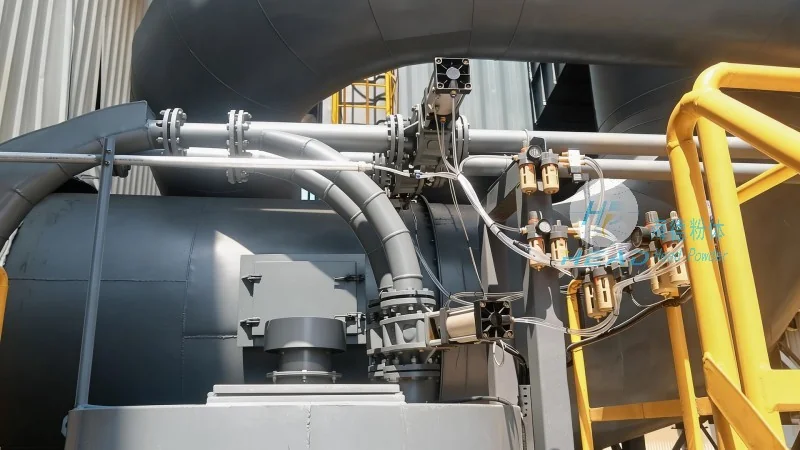
Working Principle of Fine Sand Powder Pneumatic Conveying System
The core of the fine sand powder pneumatic conveying system lies in its use of air as the primary transport medium. The system operates by creating a flow of air within a pipeline, which then carries the fine sand particles from the source to the destination. The process begins with the material feeding device, which introduces the fine sand into the pipeline. This device may be a hopper or a rotary valve, designed to control the flow rate and prevent material buildup. Simultaneously, the pressure or vacuum source generates the necessary air flow. In pressure conveying systems, compressed air is introduced at the discharge end, pushing the material forward through the pipeline. Conversely, vacuum conveying systems use a vacuum pump to draw the material into the pipeline from the source. Mixed conveying systems combine both approaches, often using a vacuum to draw the material and a pressure boost to ensure efficient transport over longer distances.
The conveying pipeline itself is typically made of materials such as stainless steel or plastic, chosen for their resistance to corrosion and wear from fine sand particles. The pipeline design includes bends and elbows that are carefully engineered to minimize pressure losses and prevent particle deposition. At the receiving end, a dust collection system, such as a cyclone or bag filter, separates the fine sand from the air stream, ensuring that the material is delivered in a clean and dry state. This system also plays a critical role in maintaining air quality and complying with environmental regulations by capturing any dust emissions.
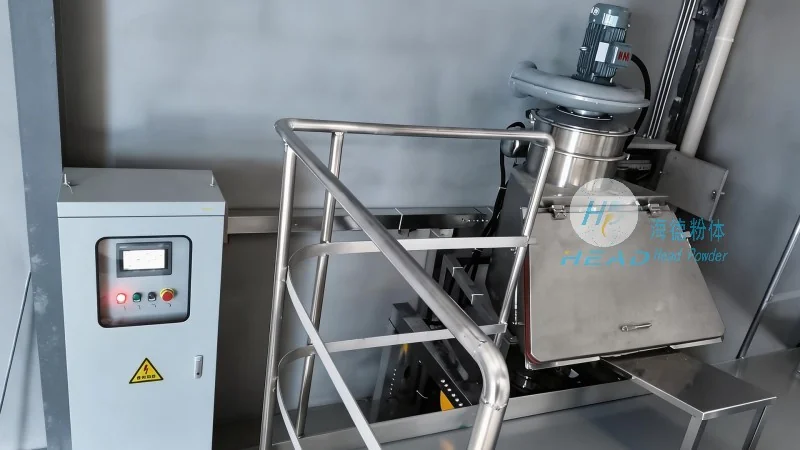
Key Features of Fine Sand Powder Pneumatic Conveying System
The fine sand powder pneumatic conveying system offers a range of features that enhance its performance and suitability for various industrial applications. One of the most significant advantages is its ability to provide a dust-free conveying environment. Unlike mechanical conveying methods, which can cause particle breakage and contamination, pneumatic conveying minimizes these issues by using air as the transport medium. This results in higher product quality and reduced waste, making it ideal for applications where the purity of the fine sand is critical.
Another key feature is the high conveying efficiency and flexibility. The system can handle a wide range of particle sizes and shapes, including fine sand, and can transport materials over long distances with minimal loss. The flexibility of the system allows for easy integration with existing production lines and adjustments to meet changing production demands. For example, the conveying pipeline can be extended or reconfigured to accommodate new production requirements without major modifications to the system.
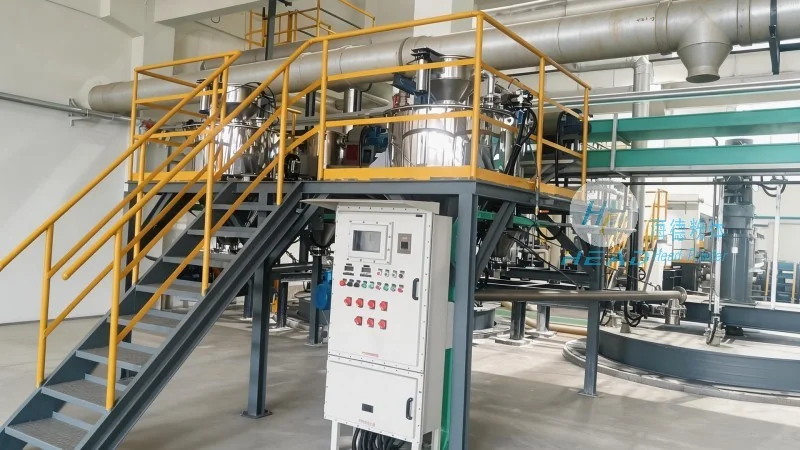
The system is also energy-efficient and cost-effective. By using air as the conveying medium, it reduces the need for mechanical components such as belts or buckets, which can be prone to wear and maintenance. The energy consumption is lower compared to other conveying methods, leading to long-term cost savings. Additionally, the system requires less space compared to traditional bulk handling methods, making it suitable for applications with limited floor space.
Furthermore, the fine sand powder pneumatic conveying system provides excellent control and monitoring capabilities. Modern systems are equipped with advanced sensors and control systems that allow for real-time monitoring of the conveying process. This enables operators to adjust the system parameters, such as air pressure and flow rate, to optimize performance and prevent issues like blockages or material degradation. The system can also be integrated with other industrial automation systems, such as PLCs or SCADA, to enhance overall process control.
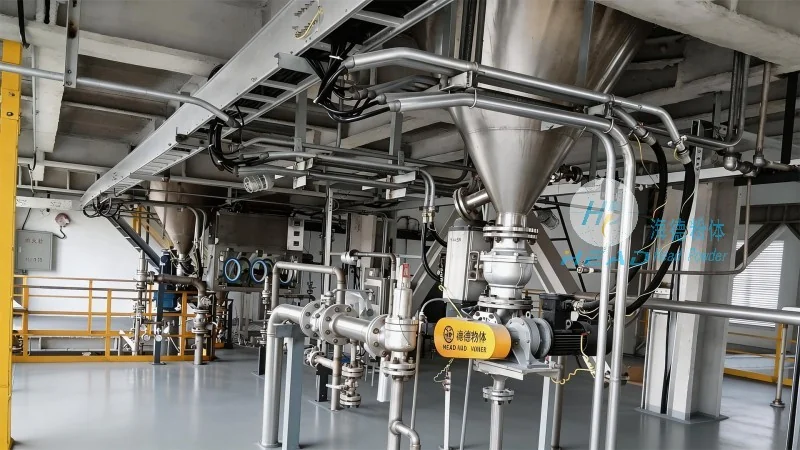
Finally, the system is easy to maintain and clean. The conveying pipeline can be easily disassembled and cleaned without the need for extensive downtime. This is particularly important for applications involving fine sand, as the particles can accumulate in the pipeline and affect performance over time. The maintenance requirements are relatively low compared to other conveying systems, reducing the overall operational costs.
In summary, the fine sand powder pneumatic conveying system, developed by companies like Shandong HeadPowder Engineering Co., Ltd., offers a reliable and efficient solution for the transport of fine sand powder. Its working principle, based on air as the transport medium, combined with its key features such as dust-free operation, high efficiency, and ease of maintenance, makes it an ideal choice for various industrial applications. By understanding these aspects, industries can make informed decisions about implementing such systems to enhance their material handling processes.




