For industries seeking reliable and efficient solutions for handling dust and fine powders, the dust collector powder pneumatic conveying systems offered by Shandong HeadPowder Engineering Co., Ltd. (headpowder) represent a robust choice. These systems are designed to meet the demanding requirements of various industrial applications, providing effective material transport while maintaining high standards of performance and durability.
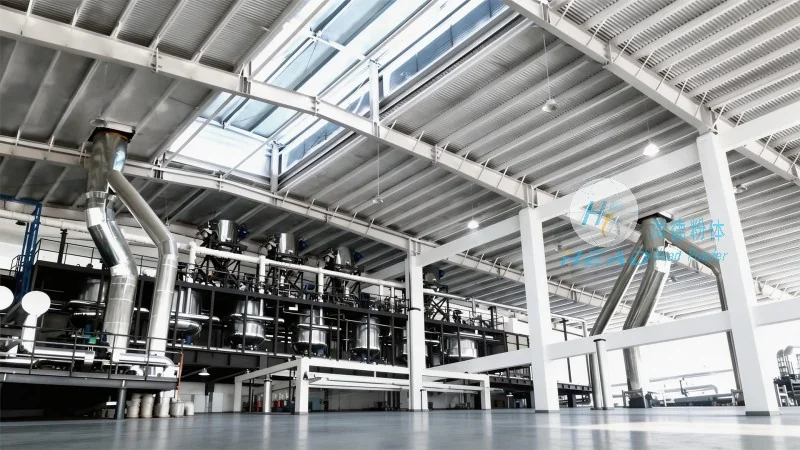
Working Principle of Dust Collector Powder Pneumatic Conveying Systems
The core of a dust collector powder pneumatic conveying system lies in its ability to transport particulate materials using air or gas as the conveying medium. The process typically begins with the collection of dust or powder from a source, such as a production line or industrial process. The collected material is then fed into a hopper or storage container, which serves as the initial stage for material preparation. From there, the material is introduced into a conveying line, often through a feeder or valve mechanism. The system uses either positive pressure (pressure conveying) or negative pressure (vacuum conveying) to move the material through the pipeline. In positive pressure systems, compressed air is supplied from a blower or compressor, creating a high-pressure environment that pushes the material forward through the pipeline. This method is suitable for short to medium distances and can handle a wide range of materials, including fine powders and bulk materials. The air velocity in positive pressure systems is typically high, ensuring that the material is fully suspended and transported efficiently. In negative pressure systems, a vacuum pump creates a low-pressure environment that pulls the material along the pipeline. This approach is often used for longer distances or when the material needs to be transported from multiple sources to a central collection point. The vacuum system can handle more complex layouts and is effective in environments where dust control is critical. The conveying line may include components like bends, elbows, or expansion joints to navigate changes in direction or elevation. These components are designed to minimize pressure loss and maintain the air flow velocity necessary for material transport. The material is carried by the air stream, and as it travels through the system, it may be separated from the air using cyclones, filters, or other separation devices. Cyclone separators use centrifugal force to separate larger particles from the air, while bag filters or cartridge filters capture finer particles. The separated material is then deposited at the destination point, such as a silo, storage tank, or processing unit. The air, now free of particulates, is either filtered and recirculated to the conveying line, reducing energy consumption, or discharged to the atmosphere through a vent filter. This final step ensures compliance with environmental regulations and maintains a clean working environment.
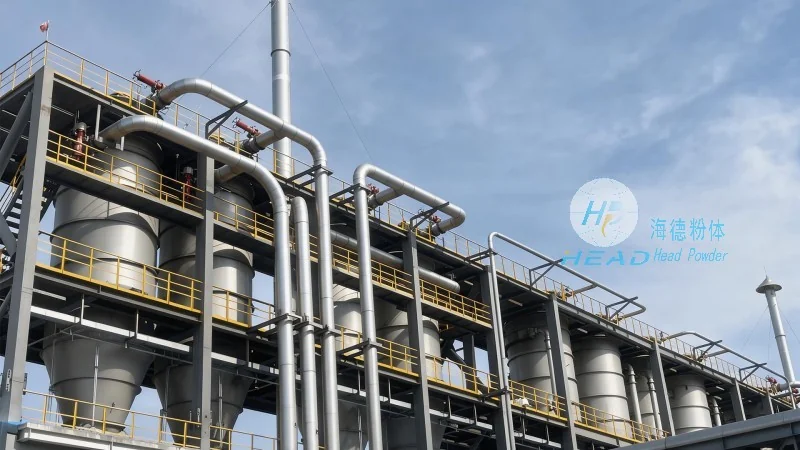
Key Features of Dust Collector Powder Pneumatic Conveying Systems
Several distinct features contribute to the effectiveness and reliability of dust collector powder pneumatic conveying systems. One of the primary features is the ability to handle fine and abrasive powders without causing excessive wear or blockages. The system's design, including the choice of materials for the conveying line and components, is critical in ensuring durability and long-term performance. Another important feature is the system's flexibility in terms of conveying distance and layout. Modern systems can be configured to handle various distances, from short-line conveying to long-distance transport, and can adapt to complex layouts with multiple branches or changes in elevation. The control and automation features of these systems are also notable. Many systems incorporate advanced control panels and sensors that allow for real-time monitoring of material flow, pressure, and air flow rates. This enables operators to adjust the system parameters dynamically, optimizing performance and preventing issues like clogging or underflow. Additionally, the systems are designed to minimize dust emissions and comply with environmental regulations. The use of efficient filtration and separation technologies reduces the amount of dust released into the environment, contributing to a cleaner and safer working environment. The energy efficiency of the system is another key feature. By optimizing the air flow and pressure, the system can operate with lower energy consumption compared to traditional methods like belt conveyors or manual handling. This not only reduces operational costs but also aligns with sustainability goals. The maintenance and serviceability of the system are also important considerations. Well-designed systems include easy access points for maintenance, allowing for quick inspection and repair of components. This reduces downtime and ensures the system operates at peak efficiency over its service life.
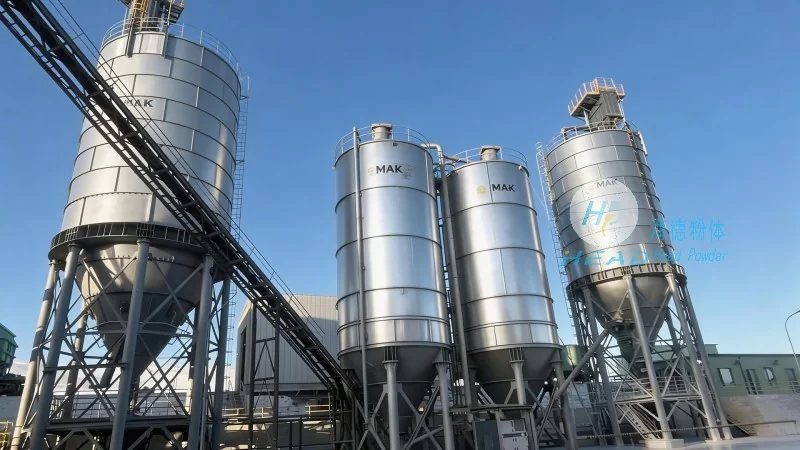
Application and Industry Relevance
Dust collector powder pneumatic conveying systems are widely used across various industries due to their versatility and efficiency. In the chemical industry, these systems are essential for transporting powders like pigments, catalysts, and raw materials, which require precise handling to maintain product quality. The food and pharmaceutical industries also rely on these systems to handle powders such as flour, sugar, and active ingredients, where hygiene and contamination control are paramount. The mining and mineral processing industry uses pneumatic conveying to transport ore and other minerals from processing plants to storage facilities or for further processing. In the cement and construction materials sector, these systems are used to transport cement, fly ash, and other fine powders, which are critical components in concrete production. The automotive and manufacturing industries also benefit from these systems for handling powders used in coatings, adhesives, and other manufacturing processes. The ability to handle fine and abrasive materials without the need for mechanical contact makes pneumatic conveying an ideal solution for industries where product integrity and process efficiency are critical.




