Clay and coal powder are common raw materials in various industrial processes, and their efficient transportation is crucial for production efficiency and safety. Pneumatic conveying, a technology that uses air or gas to transport bulk materials, offers a reliable solution for handling these materials. This article explores the working principle and key characteristics of pneumatic conveying systems specifically designed for clay and coal powder materials, with insights from Shandong HeadPowder Engineering Co., Ltd., a leading provider in the field.
About Shandong HeadPowder Engineering Co., Ltd.
Shandong HeadPowder Engineering Co., Ltd., commonly known as HeadPowder, is a professional manufacturer and supplier specializing in pneumatic conveying systems. With a strong focus on innovation and customer satisfaction, HeadPowder has established itself as a trusted partner in the industry. The company is headquartered in Shandong, China, and its expertise lies in designing and manufacturing customized solutions for diverse material handling needs, including those involving clay and coal powders.
The Working Principle of Pneumatic Conveying for Clay and Coal Powder Materials
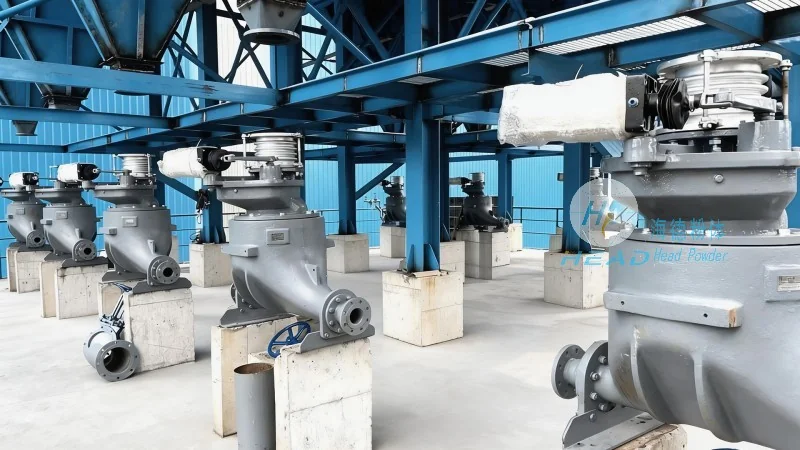
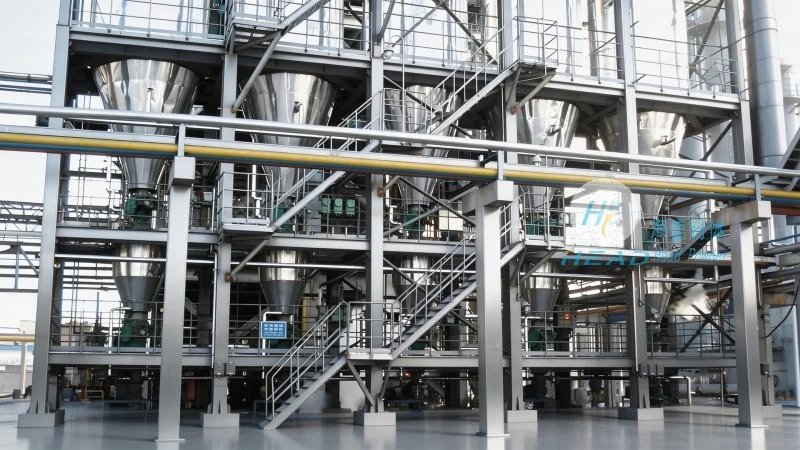
Pneumatic conveying systems operate by transporting bulk materials through a pipeline using air or gas as the conveying medium. For clay and coal powder applications, the system typically consists of several key components: a feeding device, a conveying line, a separation unit, and a collection tank. The process begins with the material being fed into the system, often through a hopper or a rotary valve. As the material enters the conveying line, it is mixed with the air stream, which is generated by a blower or a fan. The air flow creates a pressure differential that propels the material forward through the pipeline. The separation unit, such as a cyclone or a filter, then separates the material from the air, allowing the material to be collected in the tank while the air is either recirculated or discharged. This continuous process ensures efficient and safe transportation of clay and coal powders from the source to the destination.
Key Characteristics of Pneumatic Conveying Systems for Clay and Coal Powder Materials
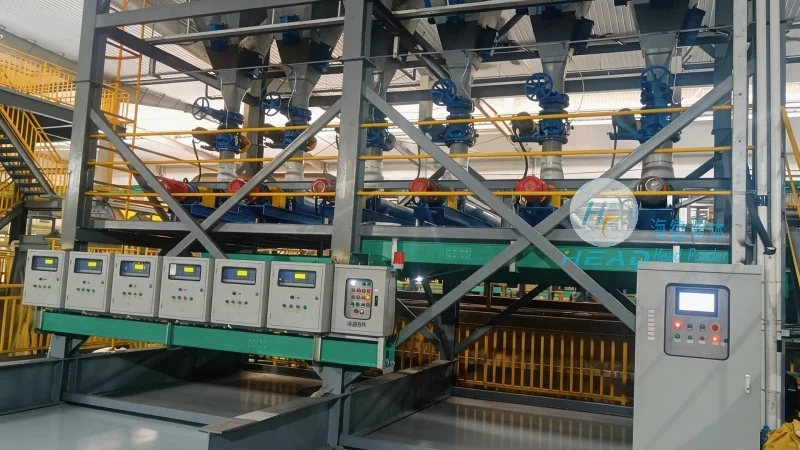
When considering pneumatic conveying for clay and coal powders, several important characteristics stand out, making it an ideal choice for many industrial applications. First, the system is highly flexible and can be easily adapted to different production layouts and material flow requirements. This flexibility allows for the integration of the conveying system into existing facilities without major modifications. Second, pneumatic conveying offers excellent control over material flow, enabling precise regulation of the material's speed and direction. This is particularly beneficial for handling materials that are prone to dust or require careful handling to prevent degradation. Third, the system is relatively compact compared to other bulk material handling methods, such as belt conveyors or bucket elevators, which reduces space requirements and installation costs. Fourth, pneumatic conveying systems are generally low maintenance, with fewer moving parts and minimal wear and tear, leading to lower operational costs over time. Additionally, the technology provides a dust-free environment, which enhances workplace safety and reduces the risk of material contamination. These characteristics make pneumatic conveying a preferred solution for industries dealing with clay and coal powders, ensuring efficient, safe, and cost-effective material transportation.




