HeadPowder, a leading provider in material handling solutions, specializes in advanced pneumatic conveying systems tailored for the handling of lithium iron phosphate (LFP) materials. This article explores the working principle and key characteristics of pneumatic conveying for LFP materials, offering insights into how these systems enhance efficiency and safety in industrial applications.
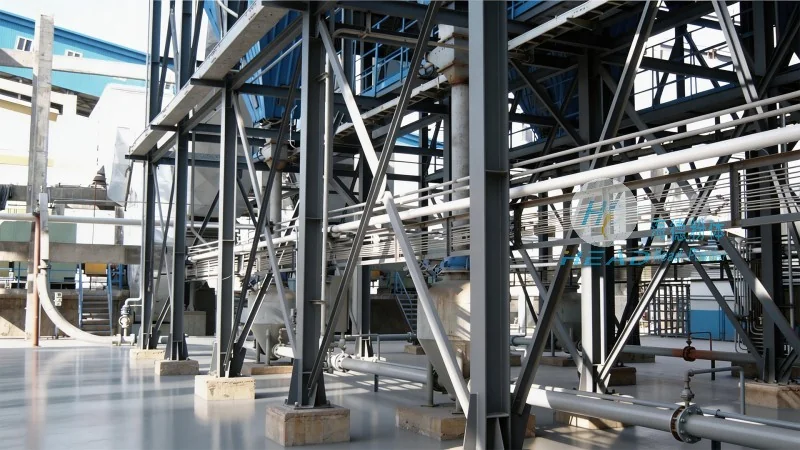
Introduction to Pneumatic Conveying for LFP Materials
Pneumatic conveying is a method of transporting bulk materials through a pipeline using air or gas as the conveying medium. In the context of lithium iron phosphate (LFP) materials, which are widely used in battery manufacturing and energy storage systems, this technology plays a crucial role in ensuring the safe and efficient transfer of raw materials or finished products. The process involves creating a flow of air within a pipeline, which carries the LFP particles from the source to the destination. This approach eliminates the need for mechanical components like belts or buckets, reducing maintenance costs and minimizing the risk of material contamination.
Working Principle of Pneumatic Conveying Systems for LFP Materials
The core working principle of pneumatic conveying systems for LFP materials revolves around the generation of airflow and the interaction between the material particles and the conveying medium. There are two primary types of pneumatic conveying systems: aspiration (or suction) systems and pressure (or blow) systems. Aspiration systems use a vacuum at the receiving end to draw material from the source, while pressure systems utilize compressed air to push material through the pipeline. For LFP materials, which are often fine powders or granules, the choice of system depends on factors such as material properties, distance, and required flow rate.
In an aspiration system, a vacuum pump creates a negative pressure at the discharge point, pulling LFP particles from the hopper or storage silo into the pipeline. The air flow carries the particles along the pipeline, and the material is deposited at the receiving end when the air flow slows or is directed into a collection vessel. This method is ideal for short-distance conveying and when the material is already in a loose state. On the other hand, pressure systems use a blower or compressor to generate positive pressure at the inlet, pushing LFP material through the pipeline. The compressed air is then separated from the material at the discharge end, typically through a cyclone or filter, allowing the material to be collected in a container. Pressure systems are more suitable for longer distances and when the material needs to be transported under higher pressure conditions.
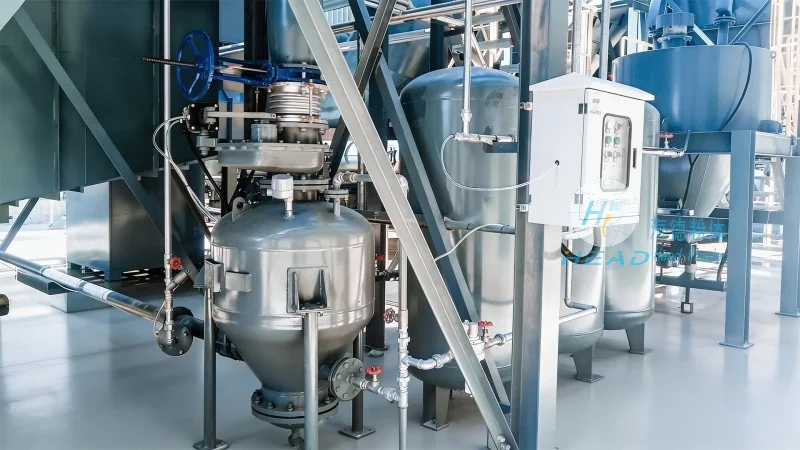
Key Characteristics of Pneumatic Conveying for LFP Materials
When applied to lithium iron phosphate (LFP) materials, pneumatic conveying systems exhibit several distinct characteristics that make them advantageous in industrial settings. First, environmental friendliness is a significant feature. Unlike traditional mechanical conveying methods, which may generate dust or require additional sealing mechanisms, pneumatic systems can be enclosed to contain dust and prevent environmental contamination. This is particularly important for LFP materials, which are often handled in cleanroom environments or where dust control is critical to maintain product quality and safety.
Second, high efficiency and flexibility are key advantages. Pneumatic conveying systems can handle a wide range of material sizes and shapes, from fine powders to larger granules, without the need for pre-processing or size reduction. The ability to adjust air pressure and flow rate allows for precise control over the conveying speed, ensuring that the material is transported at the optimal rate. This flexibility also enables the integration of multiple conveying lines or the transfer of materials between different processing stages within a facility.
Third, space-saving and compact design is another notable characteristic. Pneumatic conveying systems typically require less floor space compared to traditional belt or bucket elevators, as the material is conveyed through a pipeline. This makes them ideal for facilities with limited space or where vertical space is constrained. The compact design also reduces the overall footprint of the system, making it easier to install and integrate into existing production lines.
Fourth, reduced maintenance and operational costs are important considerations. Since pneumatic systems rely on air as the conveying medium, there are fewer moving parts compared to mechanical systems, which reduces the risk of wear and tear and lowers maintenance requirements. Additionally, the absence of mechanical components like belts or chains minimizes the need for regular replacement or repair, leading to lower operational costs over the system's lifespan.
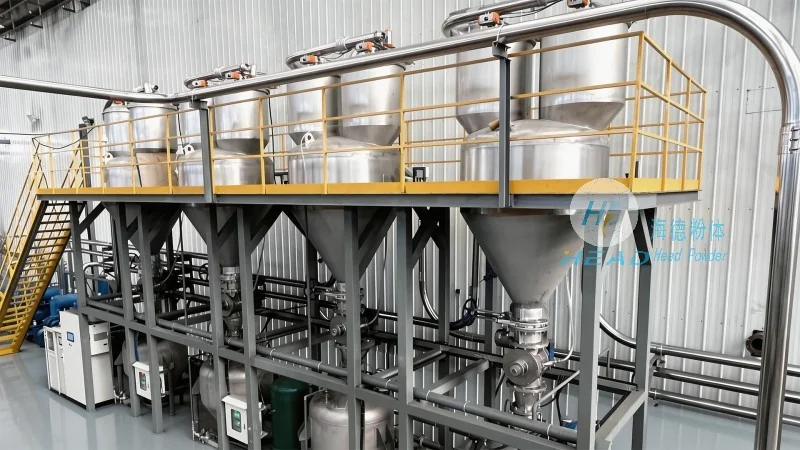
Applications and Benefits in LFP Material Handling
Pneumatic conveying systems for LFP materials find applications in various stages of the battery manufacturing process. For example, in the raw material handling stage, LFP powders can be transferred from storage silos to mixing or blending equipment. In the production stage, finished LFP particles or battery components can be conveyed from processing lines to packaging or storage areas. The benefits of using pneumatic conveying in these applications include improved product quality, reduced downtime, and enhanced safety. By maintaining a clean and dust-free environment, the system helps prevent contamination of the LFP material, which is critical for ensuring the performance and longevity of the final battery products.
Furthermore, the flexibility of pneumatic systems allows for easy integration with other automation technologies, such as sensors and control systems, to monitor and control the conveying process in real-time. This integration enhances operational efficiency and enables better management of material flow within the production facility. The ability to adjust the conveying rate based on production demands also contributes to improved productivity and reduced waste.
Conclusion
HeadPowder Engineering Co., Ltd., based in Shandong, China, specializes in designing and manufacturing advanced pneumatic conveying systems tailored to the unique requirements of lithium iron phosphate (LFP) materials. By leveraging the working principles of pneumatic conveying and incorporating key characteristics such as environmental friendliness, efficiency, and flexibility, these systems provide reliable and cost-effective solutions for material handling in the battery industry. The company's expertise in material handling technology ensures that clients can achieve optimal performance and safety in their production processes, supporting the growing demand for LFP-based energy storage solutions.




