Working Principle and Characteristics of PAM Material Pneumatic Conveying
Release time:2026-09-18 07:01:29
name of the company:Shandong Headpowder Engineering Co., Ltd.
telephone:156-6277-7102
contacts:Zhang manager
Understanding the working principle and characteristics of pneumatic conveying for polyacrylamide (PAM) materials is crucial for optimizing material handling processes in various industrial applications. This article provides a detailed overview of how pneumatic conveying systems operate and the key features that make them effective for transporting PAM materials.
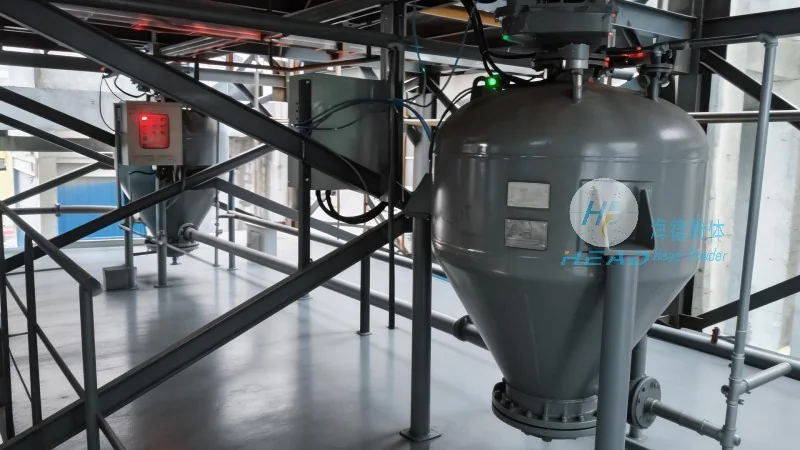
Overview of Pneumatic Conveying Systems
Pneumatic conveying, also known as air conveying, is a method of transporting bulk materials through a pipeline using a stream of air. In the context of PAM materials, which are widely used as flocculants in water treatment and other processes, pneumatic conveying offers an efficient alternative to traditional methods like belt conveyors or screw conveyors. The system typically consists of a hopper for material storage, a blower or compressor to generate the air flow, and a pipeline network that transports the material from the source to the destination.
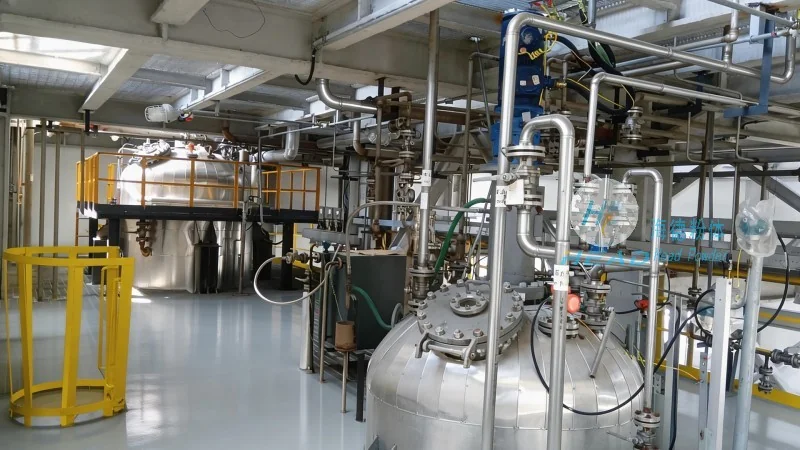
Working Principle of PAM Material Pneumatic Conveying
The core of the pneumatic conveying process involves the interaction between the PAM powder and the air stream. When the material is introduced into the hopper, it is drawn into the pipeline by the moving air. The air flow creates a negative pressure (in suction systems) or positive pressure (in pressure systems) that pulls or pushes the material along the pipeline. The velocity of the air is critical; it must be sufficient to overcome the gravitational and frictional forces acting on the PAM particles, ensuring they remain suspended in the air stream and move smoothly through the system. The design of the hopper and the air inlet is also important to prevent material bridging or clogging, which can disrupt the flow.
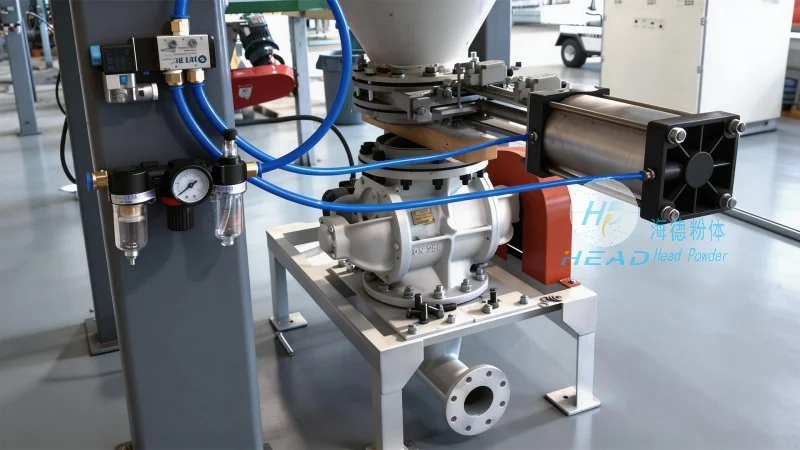
Key Characteristics of PAM Pneumatic Conveying
Several distinct characteristics make pneumatic conveying an attractive option for handling PAM materials:
- Efficiency and Speed: Pneumatic systems can transport PAM materials over long distances and at high speeds, reducing overall processing time compared to mechanical conveyors. This is particularly beneficial in large-scale industrial operations where rapid material movement is essential.
- Environmental Benefits: Unlike some mechanical conveyors that may generate dust or require extensive cleaning, pneumatic conveying systems are enclosed, minimizing dust emissions and improving workplace safety. This is especially important for PAM, which can be a fine powder and pose inhalation risks if not handled properly.
- Flexibility in Layout: The modular design of pneumatic conveying systems allows for easy integration into existing industrial layouts. The pipeline can be routed around obstacles, and the system can be expanded or reconfigured as production needs change. This flexibility is valuable in facilities where space is limited or where the material handling requirements evolve over time.
- Reduced Maintenance: Compared to mechanical conveyors that have moving parts like belts or screws, pneumatic systems have fewer components that require regular maintenance. The absence of direct contact between the material and the conveyor parts reduces wear and tear, leading to lower maintenance costs and longer system lifespans.
- Controlled Material Flow: Pneumatic conveying systems offer precise control over the material flow rate. By adjusting the air pressure or flow rate, operators can regulate the amount of PAM being transported, ensuring consistent dosing in applications such as water treatment. This control is critical for maintaining process efficiency and preventing over- or under-dosing.
Application Considerations for PAM Pneumatic Conveying
When implementing a pneumatic conveying system for PAM materials, several factors must be considered to ensure optimal performance:
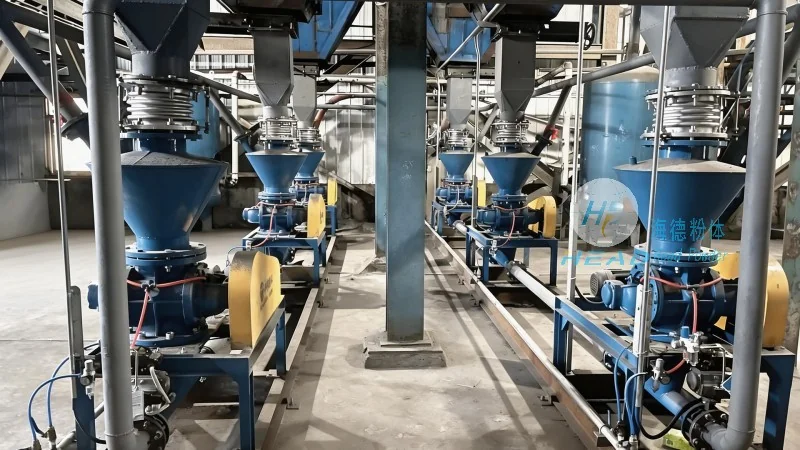
- Material Properties: The characteristics of the PAM powder, such as particle size, density, and moisture content, significantly impact the conveying system's design. Finer particles may require higher air velocities to remain suspended, while coarser particles may need different hopper designs to prevent clogging.
- System Design: The choice between suction and pressure systems depends on the distance and layout of the conveying line. Suction systems are suitable for shorter distances and lower material loads, while pressure systems are better for longer distances or when the material needs to be transported against gravity.
- Equipment Selection: The blower or compressor must be selected based on the required air volume and pressure. Overloading the system can lead to reduced efficiency or material degradation, while under-sizing may result in insufficient conveying capacity.
- Filter and Cleaning: Pneumatic systems generate dust, which must be captured and filtered to prevent environmental contamination and maintain system performance. Regular maintenance of the filter system is essential to ensure the system operates efficiently and prolongs the life of the equipment.
Conclusion
Pneumatic conveying of polyacrylamide materials offers a reliable and efficient method for material handling, combining speed, flexibility, and environmental benefits. By understanding the working principle and key characteristics of these systems, industrial operators can optimize their processes and improve overall productivity. As a leading provider in the field, Shandong HeadPowder Engineering Co., Ltd. specializes in designing and manufacturing pneumatic conveying solutions tailored to the specific needs of PAM applications, ensuring that clients receive systems that are both effective and durable.




