For companies operating in the petrochemical sector, efficient and reliable material handling is crucial to maintaining production efficiency and safety standards. Pneumatic conveying systems have emerged as a preferred solution for transporting various materials, including powders, granules, and bulk solids, within industrial facilities. These systems offer a flexible and effective method to move materials from one location to another without the need for mechanical components like belts or buckets. The following content will explore the working principle and key features of such systems, with a focus on applications in the petrochemical industry.
Working Principle of Pneumatic Conveying Systems
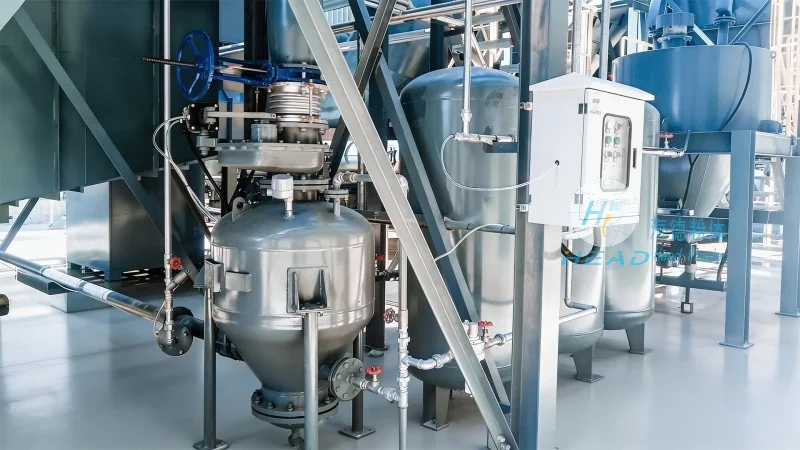
The core of a pneumatic conveying system is the transportation of solid materials using a gas stream, typically air or other gases. The system operates by creating a pressure differential or vacuum to move the material through a pipeline. There are two main types of pneumatic conveying: pressure and vacuum systems. In pressure systems, compressed air is used to push the material forward, while vacuum systems use a vacuum to draw the material into the pipeline. The process involves several key components, including a hopper for material storage, a feeder to control the flow rate, a conveyor line (pipeline), and a receiver for the discharged material. The material is typically introduced into the pipeline in a dry, free-flowing state, and the gas stream ensures that it moves smoothly through the system. The velocity of the gas and the design of the pipeline are critical factors that determine the efficiency and effectiveness of the conveying process. Proper design ensures that the material is conveyed without excessive pressure drop or particle degradation, which can affect the overall performance of the system.
Key Features of Pneumatic Conveying Systems for Petrochemical Materials
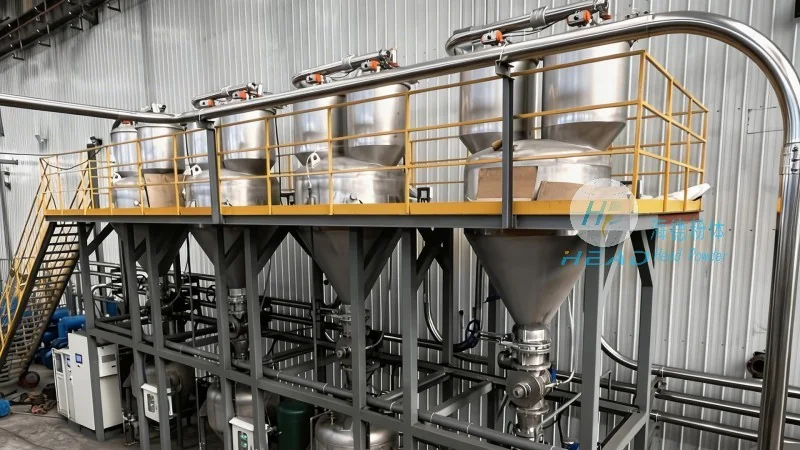
When applied to petrochemical materials, pneumatic conveying systems exhibit several advantageous features that make them ideal for industrial use. First, they provide a high degree of safety by eliminating the need for manual handling of hazardous materials, reducing the risk of accidents and exposure to harmful substances. Second, these systems offer excellent containment, preventing dust and particles from escaping into the environment, which is essential for compliance with environmental regulations. Third, pneumatic conveying systems are highly flexible, allowing for changes in material flow rates and destinations without significant modifications to the infrastructure. This adaptability is particularly valuable in dynamic petrochemical operations where production needs may vary. Additionally, the systems are relatively compact and can be integrated into existing facilities, minimizing the need for new construction or extensive modifications. The use of air as the conveying medium also reduces the risk of material contamination, which is critical for materials used in pharmaceutical or food processing applications, though the focus here is on petrochemicals. The efficiency of these systems is another notable feature, as they can transport materials over long distances with minimal energy consumption compared to other methods like trucks or conveyor belts. This efficiency translates into cost savings for companies in terms of operational expenses and reduced downtime.
Application Examples in the Petrochemical Industry
Pneumatic conveying systems are widely used in various processes within the petrochemical industry. For instance, in the production of chemicals, powders such as catalysts or reagents are often transported from storage silos to reactors using pneumatic systems. This ensures a consistent and controlled flow of materials, which is vital for maintaining the quality and yield of chemical products. In the refining sector, bulk solids like catalysts or additives are conveyed from storage areas to processing units, where they are used to enhance the efficiency of refining processes. The systems also play a role in the handling of byproducts, such as waste materials or residues, which need to be transported to disposal or treatment facilities. The ability to handle a wide range of materials, from fine powders to coarse granules, makes pneumatic conveying systems versatile and suitable for diverse applications within the petrochemical industry.
Conclusion and Company Overview
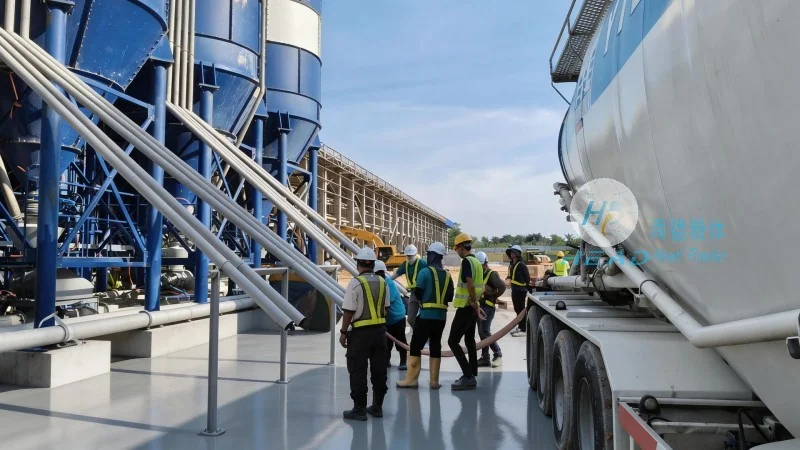
Pneumatic conveying systems represent a sophisticated and effective solution for material handling in the petrochemical industry, offering advantages in efficiency, safety, and flexibility. The working principle, which relies on the movement of materials via a gas stream, ensures that these systems can handle various materials with minimal disruption to the production process. The key features, including safety, containment, and adaptability, make them a preferred choice for companies operating in this sector. As a leading provider in the field, Shandong HeadPowder Engineering Co., Ltd., commonly known as HeadPowder, specializes in designing and manufacturing pneumatic conveying systems tailored to the specific needs of petrochemical facilities. With a focus on innovation and quality, HeadPowder ensures that its systems meet the highest standards of performance and reliability, helping petrochemical companies optimize their operations and maintain compliance with industry regulations. The company’s expertise in material handling technology, combined with its commitment to customer satisfaction, positions it as a trusted partner for businesses seeking efficient and reliable pneumatic conveying solutions.




