For industries dealing with calcium powder materials, efficient and reliable material handling is crucial. A pneumatic conveying system offers a sophisticated solution that addresses the unique challenges associated with transporting such powders. This article delves into the working principle and key features of a calcium powder material pneumatic conveying system, highlighting how it enhances operational efficiency and product integrity.
Understanding the Working Principle of a Calcium Powder Pneumatic Conveying System
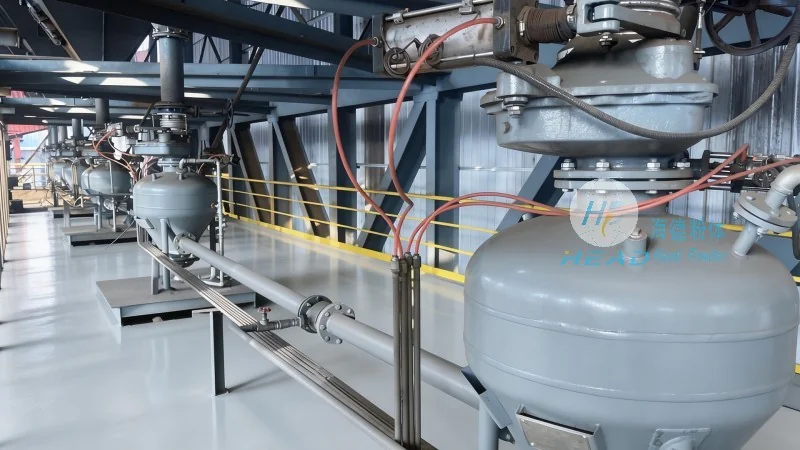
A pneumatic conveying system for calcium powder operates by using compressed air or gas to transport the material through a network of pipes. The system typically consists of a feeding hopper, a conveyor line, and a discharge point. The process begins when the calcium powder is fed into the hopper. As compressed air is introduced into the system, it creates a flow that lifts and propels the powder particles through the pipeline. The air velocity is carefully controlled to ensure that the powder moves without causing excessive wear or degradation. The system may use either positive pressure (where air pushes the material) or negative pressure (where air pulls the material), depending on the specific application and layout. The design of the system, including the size of the pipes and the type of air nozzles, is optimized to maintain consistent flow rates and prevent blockages or segregation of the powder.
Key Features of a Calcium Powder Pneumatic Conveying System
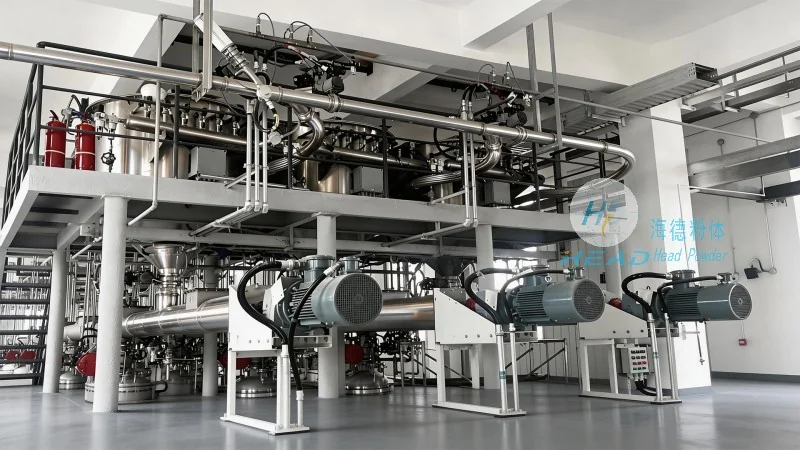
Several distinctive features make a pneumatic conveying system ideal for calcium powder applications. First, the system provides a closed-loop operation, which minimizes dust exposure and ensures environmental compliance. This is particularly important for calcium powder, as it can be a respiratory irritant and may cause contamination if not handled properly. Second, the system offers high flexibility in terms of layout, allowing for horizontal, vertical, or mixed-direction transport. This adaptability is beneficial for facilities with complex floor plans or multiple processing stages. Third, the system is capable of handling varying particle sizes and moisture content, making it suitable for a wide range of calcium powder products. The air flow control mechanisms, such as variable frequency drives (VFDs), enable precise regulation of the conveying rate, ensuring that the material is transported at the optimal speed without energy waste. Additionally, the system’s components are designed for easy maintenance and cleaning, reducing downtime and operational costs. The use of high-quality materials, such as stainless steel or corrosion-resistant alloys, further enhances the system’s durability and longevity, especially in environments where calcium powder may be acidic or abrasive.
Benefits of Implementing a Pneumatic Conveying System for Calcium Powder Handling
Adopting a pneumatic conveying system for calcium powder material handling brings numerous benefits to industrial operations. One of the primary advantages is the significant reduction in labor costs associated with manual handling and bagging. The automated system streamlines the material transport process, allowing for continuous operation and increased production throughput. Furthermore, the system improves product quality by preventing contamination and maintaining the powder’s uniformity. The consistent flow and controlled environment reduce the risk of agglomeration or segregation, which can affect the powder’s performance in downstream processes. Another key benefit is the enhanced safety aspect. By eliminating the need for manual handling of powders, the system minimizes the risk of dust explosions and respiratory hazards, creating a safer working environment. The energy efficiency of modern pneumatic conveying systems also contributes to cost savings, as they can operate with lower air pressure and flow rates compared to older systems. This efficiency is achieved through optimized design and the use of energy-saving components, such as variable speed drives and efficient air compressors.
Customization and Integration with Existing Facilities
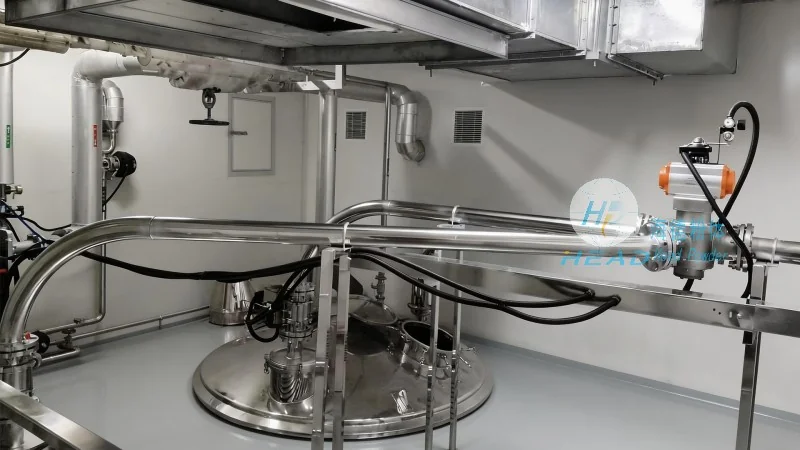
Shandong HeadPowder Engineering Co., Ltd. specializes in designing and manufacturing customized pneumatic conveying systems tailored to the specific needs of calcium powder handling applications. The company’s expertise lies in understanding the unique characteristics of calcium powder, such as its flowability, density, and potential for dust generation, and translating these into effective system solutions. The engineering team at HeadPowder works closely with clients to assess their operational requirements, including the volume of material to be conveyed, the distance and layout of the transport path, and any regulatory or safety standards that must be met. Based on this assessment, the company designs a system that maximizes efficiency while minimizing costs. The systems are manufactured using high-quality materials and components, ensuring durability and reliability. HeadPowder also provides installation and commissioning services, ensuring that the system is integrated seamlessly into the existing facility. The company’s commitment to quality and customer satisfaction is reflected in its comprehensive after-sales support, including maintenance and troubleshooting services. By partnering with HeadPowder, industrial clients can benefit from a reliable and efficient pneumatic conveying system that meets their specific calcium powder handling needs.




