For industrial facilities dealing with fly ash, efficient material handling is crucial for operational efficiency and safety. Pneumatic conveying systems offer a reliable solution for transporting fly ash from collection points to storage or processing areas. This article explores the working principle and key features of such systems, highlighting how they enhance process performance and reduce operational costs.
Introduction to Fly Ash Pneumatic Conveying Systems
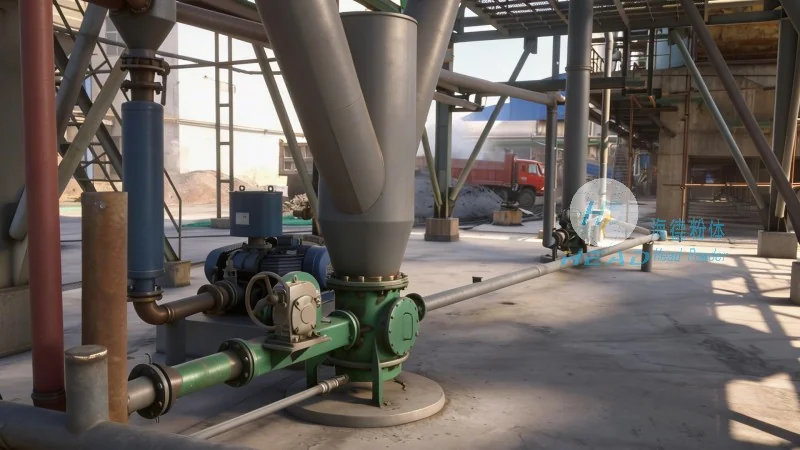
Fly ash, a byproduct of coal combustion in power plants, poses unique challenges in material handling due to its fine particle size and abrasive nature. Traditional methods like belt conveyors or bucket elevators may suffer from material buildup, wear, and contamination. Pneumatic conveying systems provide a dust-free, enclosed solution that addresses these issues effectively. The system typically consists of a blower, conveying pipes, and a receiver, working together to transport fly ash through a pressurized or vacuum environment.
Working Principle of Fly Ash Pneumatic Conveying Systems
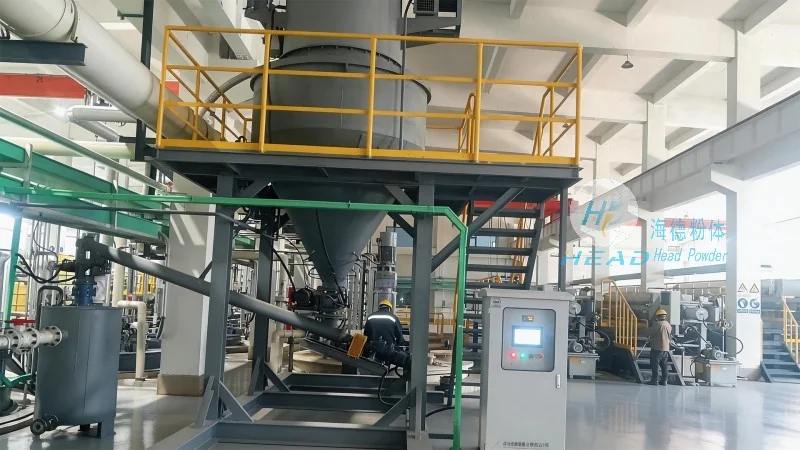
The core of a pneumatic conveying system is the air flow that propels the fly ash particles. There are two primary types of systems based on the air flow direction: positive pressure and negative pressure. Positive pressure systems use a blower to generate high-pressure air that pushes the material through the pipeline. This method is suitable for short to medium distances and can handle a wide range of particle sizes. Negative pressure systems, on the other hand, use a vacuum to draw the material into the pipeline, making them ideal for long-distance or complex routing applications. The system operates by feeding the fly ash into the conveying line, where it is entrained by the air flow and transported to the destination. The air and material are then separated at the receiver, with the air either being recirculated or vented to the atmosphere.
Key Features and Advantages of Fly Ash Pneumatic Conveying Systems
One of the most significant advantages of pneumatic conveying systems is their ability to handle fine, abrasive materials like fly ash without causing wear or contamination. The enclosed system prevents dust emissions, ensuring compliance with environmental regulations and improving workplace safety. Additionally, these systems offer high flexibility in routing, allowing for complex layouts that accommodate existing infrastructure or space constraints. They also provide consistent material flow rates, which helps maintain process stability and reduce downtime. Another key feature is the ability to integrate with other industrial equipment, such as silos or storage tanks, enabling seamless material transfer from one stage to the next. The systems are designed for low maintenance, with components like blower motors and pipeline materials chosen to withstand the abrasive nature of fly ash, reducing long-term operational costs.
Application Scenarios and Performance Considerations
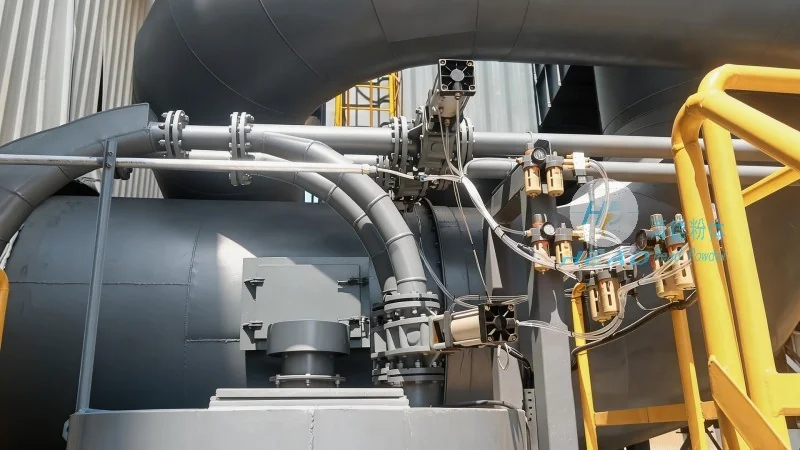
Fly ash pneumatic conveying systems are widely used in power plants, cement factories, and waste management facilities. The performance of the system depends on several factors, including the distance of material transport, the particle size and density of the fly ash, and the required flow rate. For short distances, positive pressure systems are often preferred due to their simplicity and lower energy consumption. For longer distances or when dealing with large volumes, negative pressure systems may be more suitable, as they can handle higher capacities with less pressure drop. The system's efficiency is also influenced by the design of the conveying line, including the diameter and length of the pipes, as well as the placement of bends and elbows, which can affect the air flow and material transport. Proper sizing of the blower and receiver is critical to ensure optimal performance and prevent system bottlenecks.
Conclusion and Company Overview
Pneumatic conveying systems represent a modern and effective solution for handling fly ash in industrial applications. By leveraging the principles of air flow and particle entrainment, these systems offer a reliable, efficient, and safe method of material transport. The key features, such as dust-free operation, flexibility, and low maintenance, make them an attractive choice for facilities looking to improve their material handling processes. As a leading provider in this field, Shandong HeadPowder Engineering Co., Ltd. specializes in designing and manufacturing customized pneumatic conveying solutions tailored to the specific needs of each client. With a focus on quality and innovation, the company ensures that its systems meet the highest standards of performance and reliability, helping industrial facilities achieve their operational goals while maintaining compliance with environmental regulations.




