HeadPowder, a leading engineering firm based in Shandong, China, specializes in the design and manufacturing of advanced pneumatic conveying systems tailored for handling sodium chlorate materials. This article delves into the working principles and key features of such equipment, providing a comprehensive overview for industrial applications.
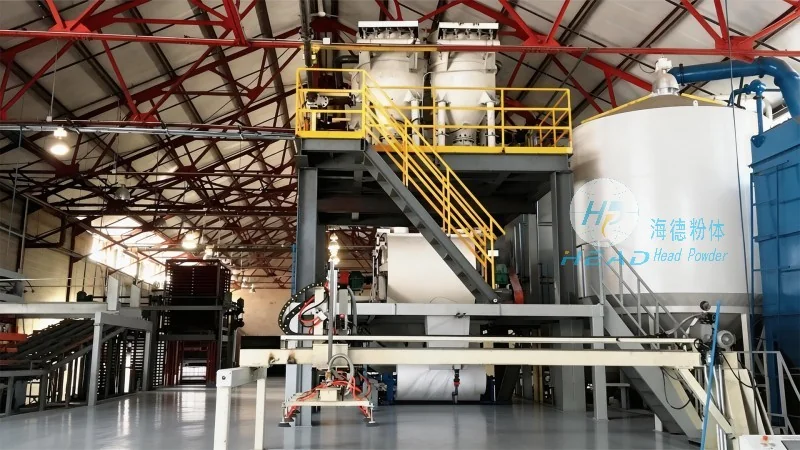
Introduction to Pneumatic Conveying Systems for Sodium Chlorate
Pneumatic conveying is a method of transporting bulk materials through a pipeline using a gas stream, typically air. For sodium chlorate, a highly reactive chemical, specialized equipment is essential to ensure safe, efficient, and reliable material transfer. The systems are engineered to meet the unique properties of sodium chlorate, including its sensitivity to moisture, temperature, and potential dust explosion hazards.
Working Principle of Sodium Chlorate Pneumatic Conveying Equipment
The core working principle of the system involves creating a pressure differential within the conveying pipeline. A positive pressure system operates by blowing air or a gas mixture into the material, lifting it from the hopper and propelling it through the pipeline to the destination. In contrast, a negative pressure (or vacuum) system draws material into the pipeline by creating a low-pressure zone at the inlet, pulling the material along with the air stream. For sodium chlorate, positive pressure systems are commonly preferred due to their ability to handle abrasive and reactive materials without generating excessive static electricity or dust clouds.
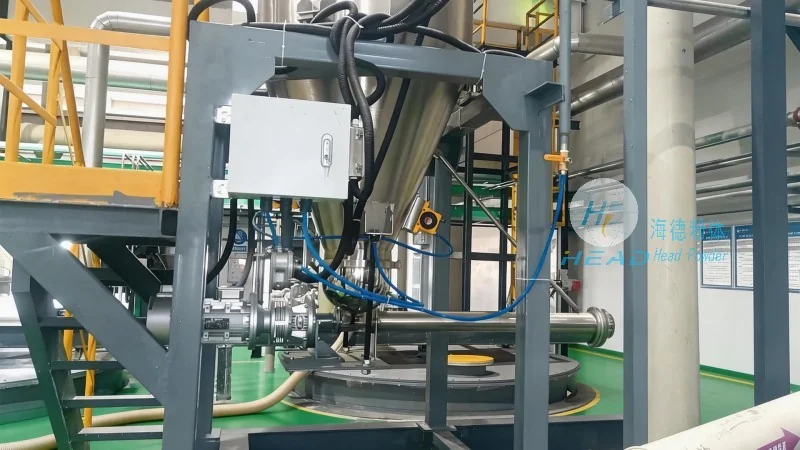
The system typically consists of several key components: a hopper for material storage, a feeder to control the flow rate, a blower or compressor to generate the air pressure, a pipeline network for material transport, and a receiver or silo for material discharge. The feeder, often a rotary valve or screw feeder, ensures a consistent and controlled feed of sodium chlorate into the pipeline. The blower provides the necessary pressure to move the material, with adjustable speed and pressure settings to match the material's characteristics and pipeline length. The pipeline is usually made of corrosion-resistant materials like stainless steel or PTFE-lined components to prevent chemical reactions and ensure durability.
Key Features of Sodium Chlorate Pneumatic Conveying Equipment
Several distinctive features make pneumatic conveying systems ideal for sodium chlorate applications:
1. High Efficiency and Capacity: The systems can handle large volumes of sodium chlorate with minimal downtime, thanks to their continuous operation and adjustable flow rates. This ensures smooth production processes and reduces labor costs associated with manual handling.
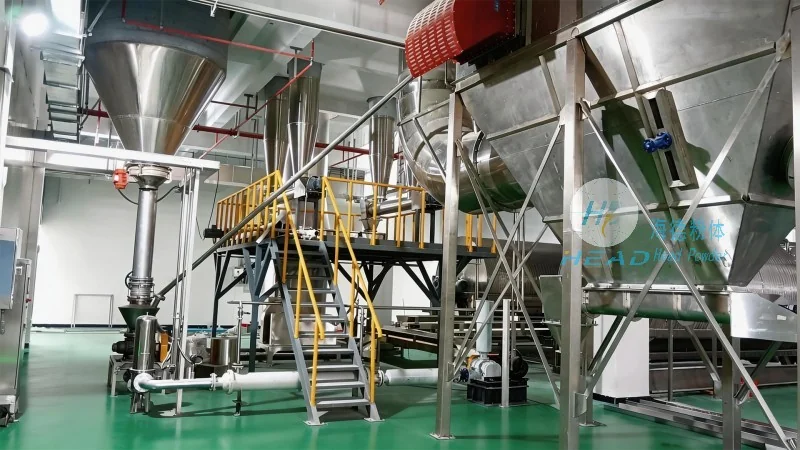
2. Safety and Environmental Protection: By enclosing the material in a sealed pipeline, the system prevents dust exposure and reduces the risk of dust explosions. The enclosed design also minimizes environmental contamination, aligning with industrial safety standards and regulations.
3. Flexibility and Versatility: Pneumatic conveying systems can be configured for various applications, including vertical, horizontal, or mixed (upward and downward) transport. They can also be integrated with other processing equipment, such as mixers, reactors, or packaging units, to form a complete production line.
4. Low Maintenance and Longevity: The use of robust materials and components, combined with regular maintenance, ensures the system operates reliably over long periods. The absence of moving parts in the pipeline (except for the feeder and blower) reduces wear and tear, lowering maintenance costs and extending the equipment's service life.
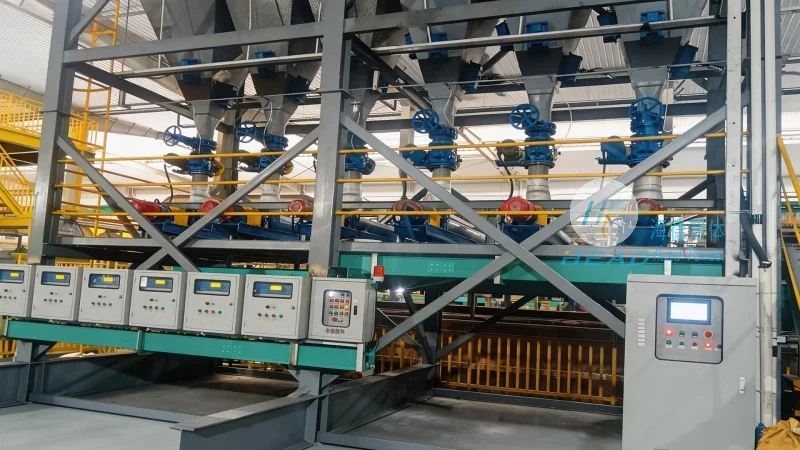
5. Energy Efficiency: Modern systems incorporate energy-saving features, such as variable frequency drives (VFDs) for the blower, which adjust the air pressure based on the actual conveying requirements. This reduces energy consumption and operating costs, making the system more economical for long-term use.
Conclusion
HeadPowder's pneumatic conveying equipment for sodium chlorate offers a reliable and efficient solution for industrial material handling. By understanding the working principles and leveraging the key features, industries can enhance their production processes, ensure safety compliance, and achieve cost-effective operations. With a strong commitment to quality and innovation, Shandong HeadPowder Engineering Co., Ltd. continues to provide tailored solutions that meet the evolving needs of the chemical processing sector.




