Ammonium bicarbonate, a vital chemical in sectors like fertilizers, food additives, and pharmaceuticals, demands specialized handling solutions due to its hygroscopic nature and dust potential. Pneumatic conveying equipment offers an efficient method to transport this material, ensuring safety and maintaining quality. This article details the working principle and key attributes of such systems, emphasizing their role in modern industrial processes.
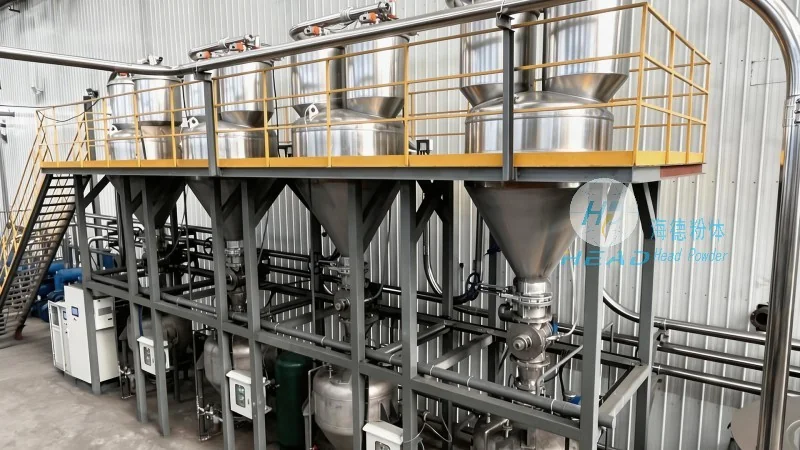
Introduction to Ammonium Bicarbonate Pneumatic Conveying Systems
Ammonium bicarbonate (NH₄HCO₃) requires equipment capable of handling fine powders while preventing moisture absorption and contamination. Pneumatic conveying systems achieve this by using compressed air to move material through pipelines. The systems are engineered to accommodate the material's physical properties, such as particle size and moisture content, ensuring consistent flow and operational reliability.
Working Principle of Ammonium Bicarbonate Pneumatic Conveying Equipment
The core mechanism involves compressed air creating a pressure differential to propel material through a pipeline. Systems typically use positive pressure (air pushing material) or negative pressure (vacuum drawing material). For ammonium bicarbonate, positive pressure is preferred to avoid moisture uptake and preserve material integrity. Key components include a hopper (stores and feeds material), feeder (controls flow), conveying line (stainless steel or corrosion-resistant for chemical resistance), and receiver (collects material at destination). Filters and cyclones separate fine particles from air, ensuring clean operation.
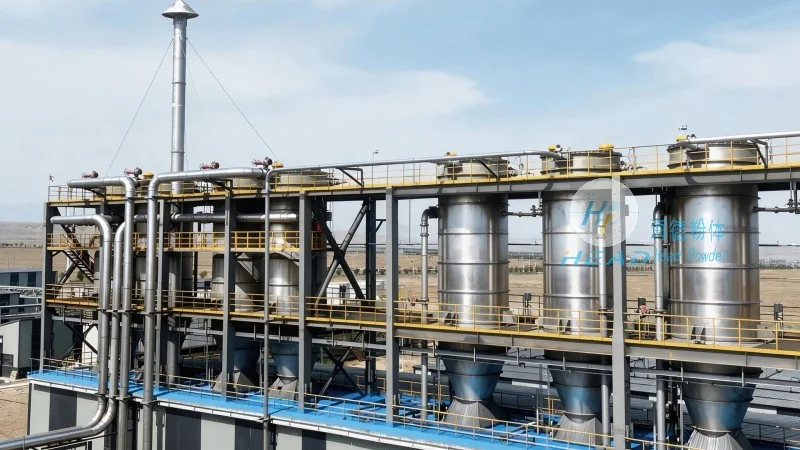
Key Features and Advantages of Ammonium Bicarbonate Pneumatic Conveying Equipment
These systems offer several advantages: they minimize dust exposure, enhance safety, and enable continuous automated transport, reducing labor costs. Flexibility in design allows customization for different production scales, with adjustable conveying speed and pressure. Safety features like pressure relief valves and emergency shut-offs prevent accidents. Corrosion-resistant materials ensure long-term durability and low maintenance.
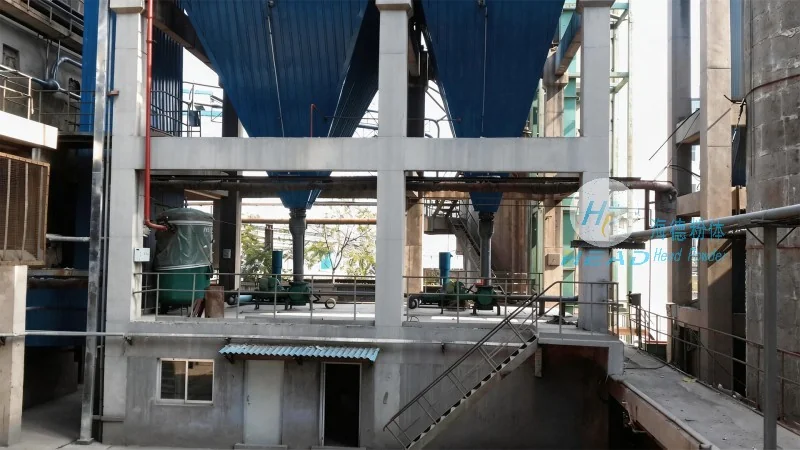
Application and Operational Considerations
Commonly used in chemical plants, fertilizer facilities, and food processing, the equipment excels at handling fine powders where purity is critical. Operational considerations include regular filter cleaning and leak checks for consistent performance. Energy efficiency is a key benefit, lowering costs compared to traditional bulk handling. The system's ability to maintain material quality and operational safety makes it indispensable for ammonium bicarbonate transport.
In summary, the working principle and features of ammonium bicarbonate pneumatic conveying equipment provide an effective solution for handling this critical material. Their design prioritizes material integrity, safety, and efficiency, making them a preferred choice in modern industrial applications as demand for ammonium bicarbonate grows.




