For industries dealing with white clay powder, efficient material handling is crucial for maintaining production efficiency and product quality. Pneumatic conveying equipment offers a reliable solution for transporting white clay powder from one location to another within a facility. This article explores the working principle and key features of such systems, providing insights into how they operate and why they are preferred in various industrial applications.
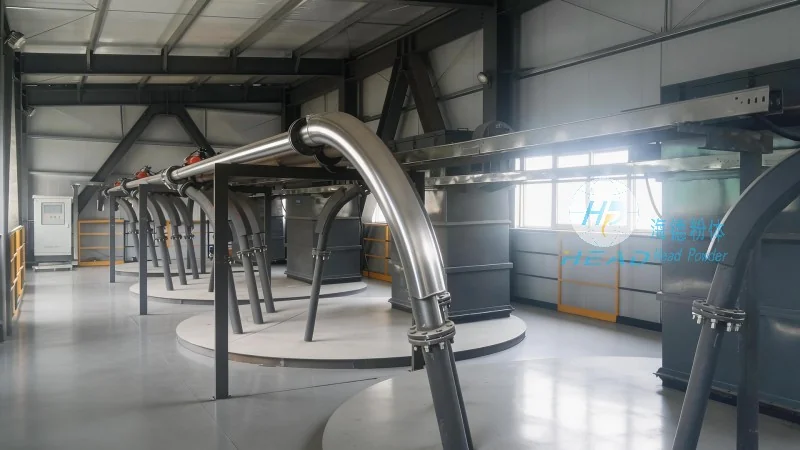
Working Principle of Pneumatic Conveying Equipment
The core of a pneumatic conveying system for white clay powder involves the use of air or gas to transport the material through a pipeline. The process typically begins with the white clay powder being fed into a hopper or feeder. From there, the material is introduced into a duct or pipeline where it is carried by a stream of air. The air velocity is carefully controlled to ensure the powder particles are suspended and transported without clogging or degradation. The system may use either positive pressure (where air is blown into the system) or negative pressure (where air is drawn out), depending on the specific requirements of the application. The design of the conveying line, including the size of the duct, the number of bends, and the presence of filters or cyclones, all play a critical role in the efficiency and effectiveness of the system.
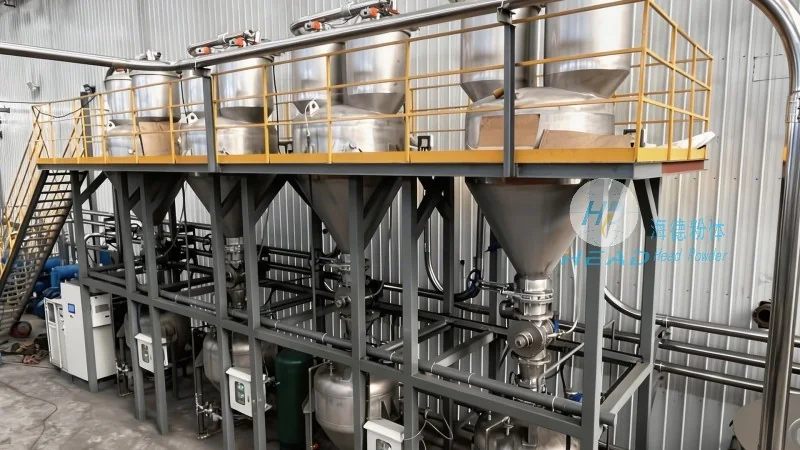
Key Features of White Clay Powder Pneumatic Conveying Equipment
Several key features distinguish high-quality pneumatic conveying systems for white clay powder. First, the equipment is designed to handle fine, dry powders without causing dust or clogging. This is achieved through specialized components such as rotary valves, airlocks, and filter systems that ensure the material is transported smoothly. Second, the system offers flexibility in terms of layout, allowing for horizontal, vertical, or mixed conveying paths. This adaptability makes it suitable for complex production environments where space is limited or where multiple destinations are required. Third, the equipment is built with durability and low maintenance in mind. High-quality materials and robust construction ensure long-term operation with minimal downtime. Additionally, modern systems often include monitoring and control features, allowing operators to track flow rates, pressure, and other critical parameters in real-time, enhancing operational efficiency and safety.
Benefits of Using Pneumatic Conveying for White Clay Powder
Implementing a pneumatic conveying system for white clay powder brings numerous benefits to industrial operations. One of the primary advantages is the reduction in labor costs associated with manual handling and loading. The automated process minimizes the risk of human error and exposure to dust, improving workplace safety. Additionally, the system enhances product quality by preventing contamination and degradation during transport. The ability to transport materials over long distances without the need for intermediate storage or handling points streamlines production processes and increases overall throughput. Furthermore, the energy efficiency of modern pneumatic conveying systems makes them a cost-effective solution compared to traditional methods like bucket elevators or belt conveyors.
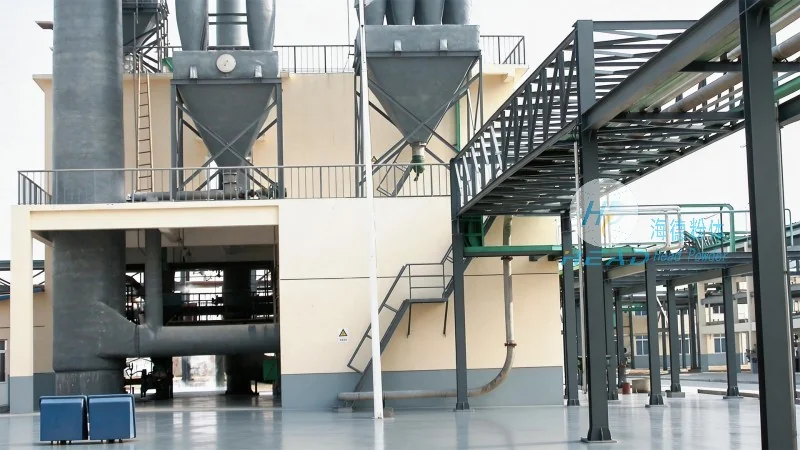
Customization and Application Considerations
When selecting a pneumatic conveying system for white clay powder, it is essential to consider the specific characteristics of the material and the operational requirements of the facility. Factors such as particle size, moisture content, and flowability will influence the choice of equipment. For example, systems designed for fine powders may require higher air velocities and more efficient filtration to prevent clogging. The layout of the production line, including the number of transfer points and the distance between the start and end points, will also impact the system's design. Professional engineering and consultation with experts, such as those from Shandong HeadPowder Engineering Co., Ltd., can help tailor the system to meet specific needs, ensuring optimal performance and longevity.




