When it comes to transporting wood chips, several methods are commonly employed in industrial settings. Each method has its own set of advantages and limitations, making the choice of system critical for efficiency and operational success. The primary options include gravity-based systems, mechanical conveyors such as belt or screw conveyors, and pneumatic (air) conveying systems. Understanding these methods is essential for selecting the most suitable solution for a specific application.
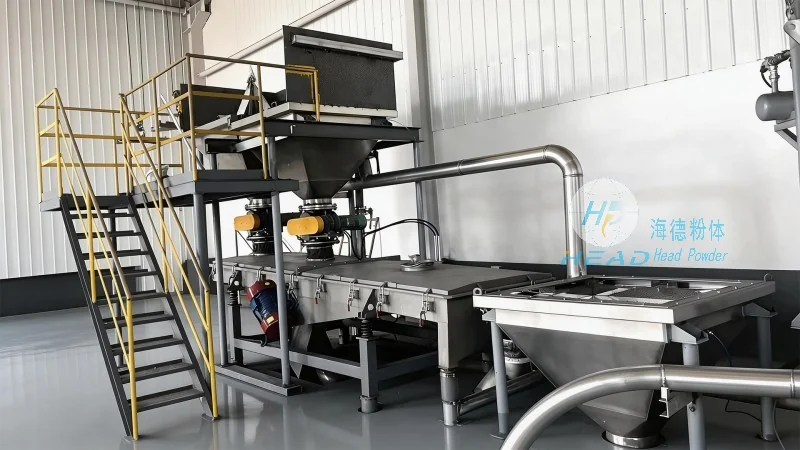
Gravity Conveying Systems
Gravity conveyors rely on the natural downward movement of wood chips under the influence of gravity. These systems typically involve inclined chutes or troughs that allow the material to flow from a higher to a lower elevation. While simple and low-cost, gravity systems have significant limitations. They require a steep incline to maintain flow, which may not be feasible in many layouts. Additionally, they are prone to blockages and are unsuitable for long horizontal distances or when the material needs to be elevated again. This method is best suited for short, vertical or slight incline applications where the material is free-flowing and the distance is minimal.
Mechanical Conveyors: Belt and Screw Conveyors
Mechanical conveyors, including belt and screw (auger) conveyors, are widely used for wood chip transport. Belt conveyors use a continuous belt to move material along a fixed path, while screw conveyors utilize a rotating helical screw to push material forward. These systems are effective for moderate to long distances and can handle a variety of material types, including wet or sticky wood chips. However, mechanical conveyors have drawbacks, such as high maintenance costs, potential for material degradation due to friction, and the need for regular cleaning to prevent blockages. They also require more space and energy compared to pneumatic systems, especially for vertical lifts.
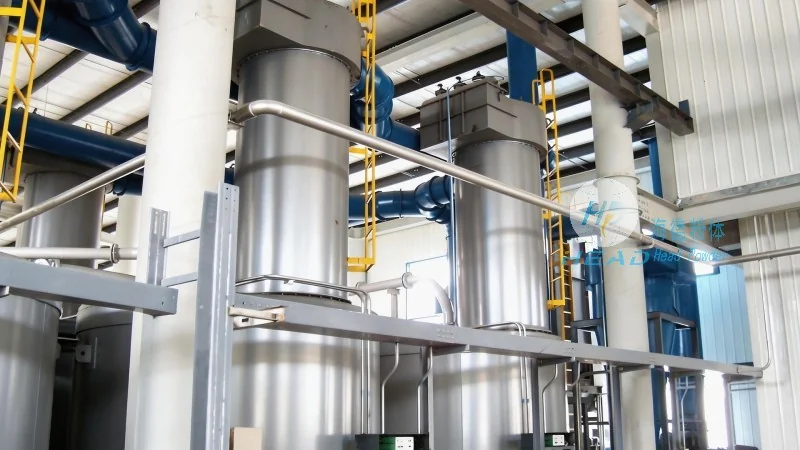
Pneumatic Conveying: The Superior Choice for Wood Chip Transport
Among the various methods, pneumatic conveying stands out as the most efficient and versatile solution for wood chip handling. This technology uses compressed air to transport material through a pipeline, eliminating the need for mechanical components in the conveying path. The system consists of a blower, a hopper to store the material, and a pipeline network that directs the material to its destination. Pneumatic conveying offers several key advantages that make it ideal for industrial applications.
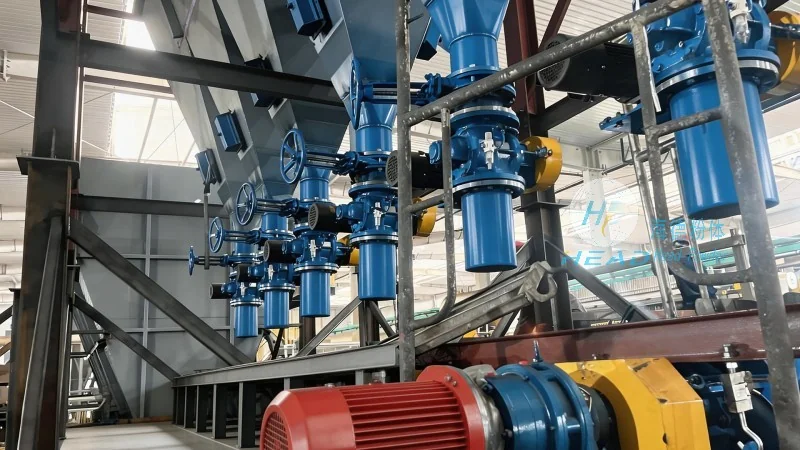
Advantages of HeadPowder's Pneumatic Conveying System
Shandong HeadPowder Engineering Co., Ltd., based in Shandong, China, specializes in designing and manufacturing advanced pneumatic conveying systems tailored for wood chip transport. Their systems are engineered to maximize efficiency while minimizing operational costs and environmental impact. Key features include:
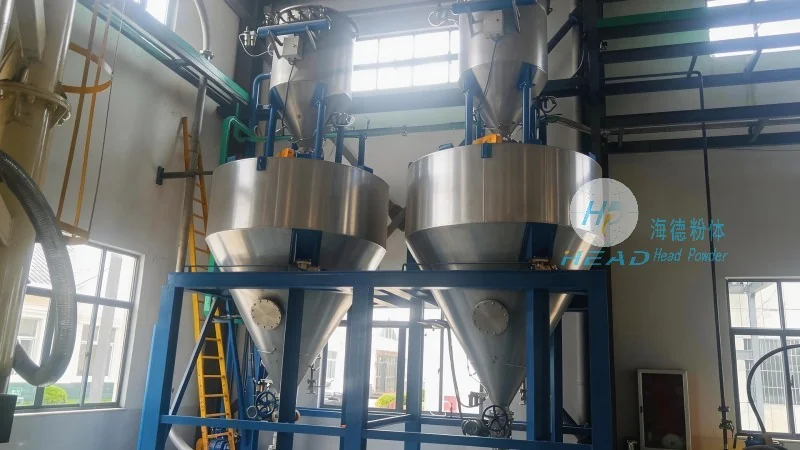
- High Efficiency and Capacity: The pneumatic system can transport wood chips over long distances with minimal pressure drops, ensuring consistent flow rates and high throughput. This is particularly beneficial for large-scale operations where continuous material movement is required.
- Low Maintenance and Longevity: By eliminating moving parts in the conveying line, the system reduces wear and tear, leading to lower maintenance requirements and longer service life. This translates to reduced downtime and operational costs over the system's lifespan.
- Environmental Friendliness: The system is a dry process, which means it does not generate wastewater or require water for cleaning. This makes it an environmentally sustainable option, aligning with modern industrial standards and regulations.
- Flexibility and Adaptability: The system can be easily integrated into existing facilities and reconfigured to accommodate changes in production needs. It can handle both dry and slightly moist wood chips, making it suitable for a wide range of applications, from sawmills to biomass power plants.
- Reduced Material Degradation: Unlike mechanical conveyors that rely on friction to move material, pneumatic systems use air pressure to transport chips gently. This minimizes the risk of material breakage or degradation, preserving the quality of the wood chips for downstream processing.
Application Examples and Operational Benefits
HeadPowder's pneumatic conveying systems have been successfully implemented in various industries, delivering tangible benefits to their clients. For instance, in a sawmill, the system efficiently transports wood chips from the debarking and chipping stages to the storage silos or processing units. This ensures a continuous supply of material, reducing bottlenecks and improving overall production efficiency. In biomass power plants, the system reliably delivers wood chips to the boiler, maintaining consistent combustion and energy output.
Conclusion: Choosing the Right Conveying Solution
When evaluating wood chip conveying methods, it is crucial to consider factors such as material characteristics, distance, and operational requirements. While gravity and mechanical conveyors have their uses, pneumatic systems offer superior performance, flexibility, and sustainability. Shandong HeadPowder Engineering Co., Ltd. provides comprehensive solutions that address these needs, leveraging advanced technology to deliver reliable and efficient wood chip transport. By selecting a pneumatic conveying system from HeadPowder, industries can enhance their operational efficiency, reduce costs, and meet environmental standards, ensuring long-term success in their wood chip handling processes.




