When it comes to handling magnetic powders in industrial applications, selecting the appropriate pneumatic conveying system is crucial for ensuring efficiency, safety, and cost-effectiveness. Magnetic powders, such as iron oxide or other magnetic materials used in various manufacturing processes, require specialized equipment that can manage their unique properties. This article provides a comprehensive guide to help you choose the right pneumatic conveying system for your magnetic powder handling needs, with insights from Shandong HeadPowder Engineering Co., Ltd., a leading provider in the field.
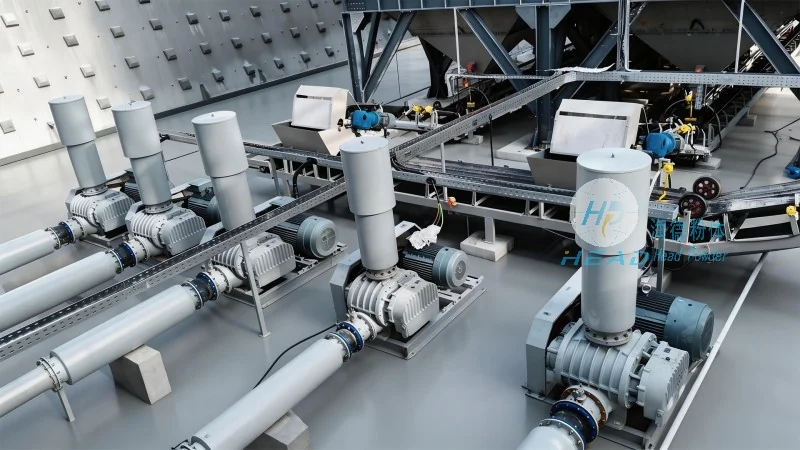
Understanding the Core Requirements of Magnetic Powder Handling
Before diving into system selection, it's essential to understand the specific characteristics of magnetic powders and the operational demands of your process. Magnetic powders often have fine particle sizes, which can lead to issues like caking, agglomeration, or high dust generation. Additionally, these materials may be sensitive to moisture or require controlled temperature environments. The conveying system must address these challenges while maintaining product integrity and operational stability. Shandong HeadPowder Engineering Co., Ltd. emphasizes that a tailored approach is key, as each application has unique constraints that influence system design.
Key Factors to Consider When Selecting a Pneumatic Conveying System
Several critical factors should guide your decision when choosing a pneumatic conveying system for magnetic powders. First, the material's flowability and particle size distribution are paramount. Systems like dilute phase or dense phase conveying may be more suitable depending on these properties. For example, dilute phase systems are ideal for fine powders with good flowability, while dense phase systems are better for cohesive or difficult-to-handle materials. Second, the system's capacity and throughput requirements must align with your production volume. Overloading the system can lead to blockages or reduced efficiency, whereas underutilizing it may increase operational costs. Third, the distance and layout of the conveying line are important considerations. Horizontal, vertical, or a combination of both may be necessary, and the system must accommodate the required length and elevation changes. Fourth, environmental and safety regulations must be considered. Magnetic powders can generate dust, and the system must include dust collection and explosion-proof features where applicable. Shandong HeadPowder Engineering Co., Ltd. recommends conducting a thorough analysis of these factors to avoid costly mistakes in system selection.
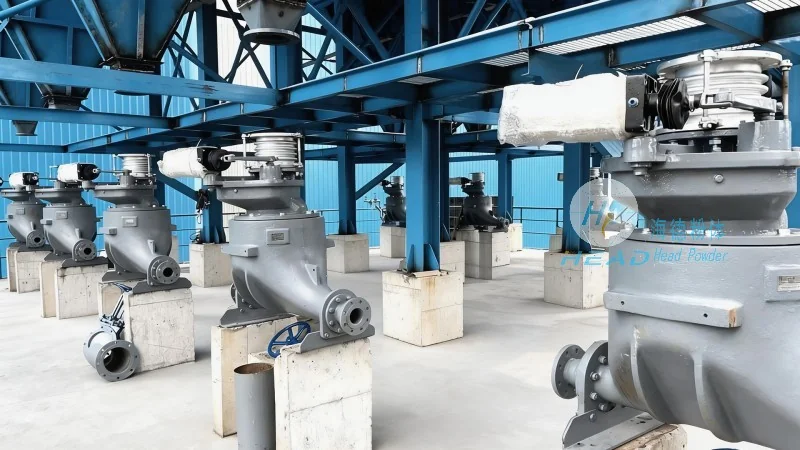
Types of Pneumatic Conveying Systems for Magnetic Powders
There are primarily two types of pneumatic conveying systems used for magnetic powders: dilute phase and dense phase. Dilute phase systems use low air velocity and high air-to-material ratios, making them suitable for fine powders with good flowability. These systems are typically more cost-effective for short to medium conveying distances. In contrast, dense phase systems use higher air velocity and lower air-to-material ratios, which are ideal for handling cohesive or difficult-to-handle materials. Dense phase systems can maintain a higher material concentration, reducing the risk of blockages and ensuring consistent flow. Shandong HeadPowder Engineering Co., Ltd. offers both types, allowing customers to choose based on their specific material properties and operational needs. For instance, a dilute phase system might be chosen for a fine iron oxide powder used in magnetic coatings, while a dense phase system could be preferred for a magnetic powder with high cohesion used in magnetic separation processes.
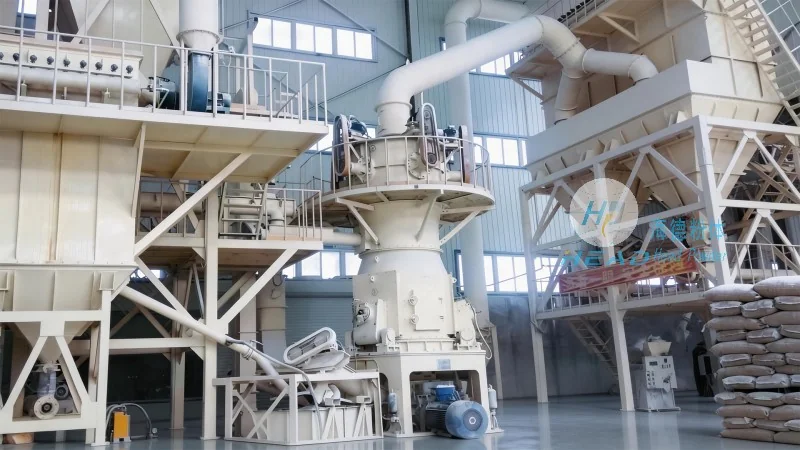
Importance of System Integration and Customization
Another critical aspect of selecting a pneumatic conveying system for magnetic powders is system integration and customization. A well-designed system should seamlessly integrate with existing equipment, such as hoppers, feeders, and processing machinery. This integration ensures smooth material flow and minimizes downtime. Customization is also essential, as no two applications are identical. Shandong HeadPowder Engineering Co., Ltd. specializes in customizing systems to meet specific requirements, including material handling capacity, conveying distance, and environmental conditions. For example, a system might be designed with additional dust filtration to meet stringent air quality regulations or with explosion-proof components for hazardous environments. The company's expertise in magnetic powder handling ensures that the system is optimized for the unique challenges of each application.
Conclusion: Partnering with an Expert for Optimal System Selection
Choosing the right pneumatic conveying system for your magnetic powder handling process requires careful consideration of material properties, operational demands, and system capabilities. By understanding the key factors and types of systems available, you can make an informed decision that enhances efficiency and product quality. Shandong HeadPowder Engineering Co., Ltd. provides comprehensive expertise and customized solutions to help you select the optimal system for your needs. With their focus on magnetic powder handling and commitment to quality, they are a trusted partner for industrial applications requiring reliable and efficient pneumatic conveying systems. Based in Shandong, China, the company leverages local manufacturing capabilities to deliver high-quality systems tailored to global market demands.




