Iron concentrate, a vital raw material in the steel industry, often requires efficient and reliable transportation methods to support seamless production processes. Pneumatic conveying technology has become a cornerstone solution for handling iron concentrate, offering advantages such as effective dust control, reduced labor costs, and enhanced workplace safety when compared to conventional methods like belt conveyors or bucket elevators.
Understanding the Principle of Iron Concentrate Pneumatic Conveying
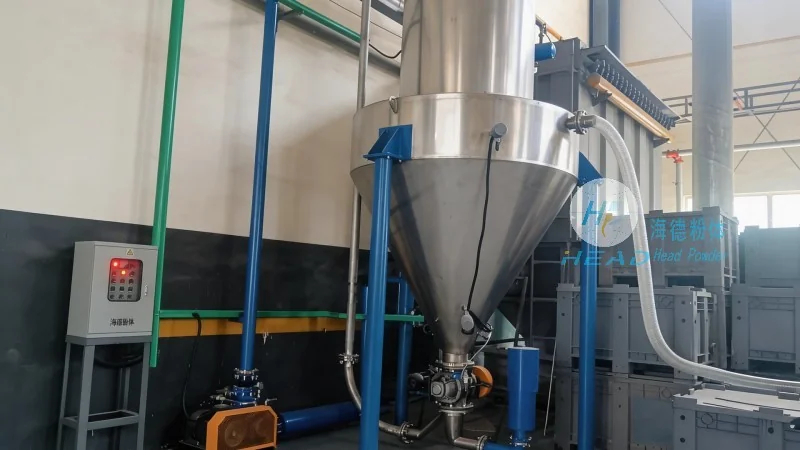
The fundamental principle of iron concentrate pneumatic conveying revolves around using compressed air or gas to transport bulk materials through a pipeline system. In this process, iron concentrate particles are introduced into a hopper or feeder, where they are mixed with air under controlled pressure. The air stream then propels the material through the pipeline, delivering it to the intended destination. This method relies on the precise balance between air velocity and particle size to maintain a stable flow, preventing blockages and ensuring consistent material transfer throughout the system.
Key components of the pneumatic conveying system for iron concentrate include the feeding device, air compressor, pipeline network, and discharge equipment. The feeding device, such as a rotary valve or screw feeder, regulates the flow of iron concentrate into the system, ensuring a consistent feed rate. The air compressor generates the necessary pressure to move the material through the pipeline, with options ranging from positive displacement compressors to centrifugal units depending on the system requirements. The pipeline network, typically constructed from stainless steel or other corrosion-resistant materials, is designed to withstand the abrasive nature of iron concentrate particles and maintain the integrity of the material during transport. Finally, the discharge equipment, including rotary valves or cyclone separators, collects the iron concentrate at the end of the pipeline, effectively separating it from the air stream and delivering it to the processing unit.
Working Scene Characteristics of Iron Concentrate Pneumatic Conveying
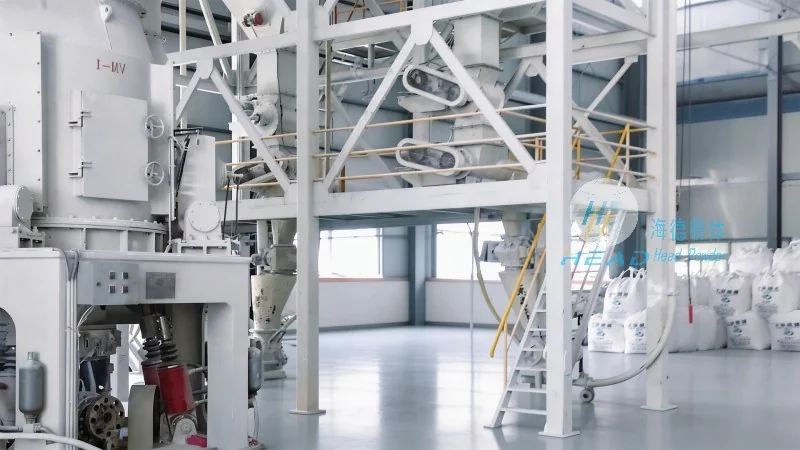
The application of iron concentrate pneumatic conveying varies across diverse industrial settings, each with unique characteristics that influence system design and operational performance. In mining and processing facilities, the system is commonly employed to transport iron concentrate from storage silos to processing units like ball mills or crushers. The working environment in these settings is typically characterized by high dust levels, heavy machinery, and harsh conditions, requiring robust equipment that can withstand continuous operation and maintain efficiency under challenging circumstances.
In steel mills, the pneumatic conveying system plays a critical role in moving iron concentrate from the storage area to the blast furnace or sintering plant. The working scene here involves large-scale, high-throughput operations, demanding systems that can handle continuous and substantial material volumes. The system must seamlessly integrate with existing production lines, ensuring that material flow is uninterrupted and that the overall production process remains efficient and reliable. Additionally, the system design must account for the specific requirements of the steel production process, such as the need for precise material delivery to the furnace or sintering equipment.
In smaller processing plants or recycling facilities, the pneumatic conveying system may be utilized for transporting iron concentrate from raw material storage to the mixing or grinding stages. The working scene in these environments is often more compact, with lower material volumes but still requiring efficient and reliable transport to maintain production efficiency. These systems may also be adapted for handling recycled iron concentrate, which may have different particle characteristics or moisture content compared to primary iron concentrate, necessitating adjustments in system parameters to ensure optimal performance.
Advantages and Considerations in Iron Concentrate Pneumatic Conveying
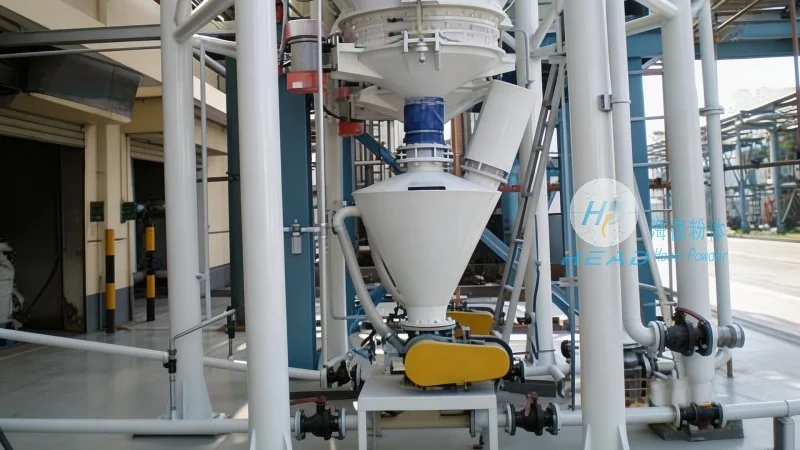
Compared to traditional bulk material handling methods, iron concentrate pneumatic conveying offers several distinct advantages. One of the most significant benefits is the reduction of dust exposure, which not only improves workplace safety by minimizing respiratory hazards but also helps in complying with environmental regulations regarding particulate emissions. Additionally, the system minimizes material degradation by avoiding mechanical contact with components like belts or buckets, preserving the quality of the iron concentrate for downstream processing steps such as smelting or sintering.
However, the implementation of pneumatic conveying systems for iron concentrate also involves important considerations regarding energy consumption and system maintenance. The air compressor is a major energy consumer, and the overall efficiency of the system depends on the selection of appropriate compressor technology and operational parameters. Regular maintenance of the pipeline, feeding equipment, and discharge units is essential to prevent system inefficiencies, blockages, or wear and tear that could lead to increased operational costs or downtime. Furthermore, the system's design must consider the specific properties of iron concentrate, including particle size distribution, moisture content, and density, to ensure that the air velocity and pressure settings are optimized for reliable and consistent material transport.




