Sand and gravel pneumatic conveying is a critical process in the construction and mining industries, enabling the efficient transportation of bulk materials like sand, gravel, and other granular substances. This method leverages air pressure to move materials through a pipeline system, offering advantages such as reduced equipment wear, improved safety, and enhanced operational flexibility. Understanding the underlying principles and diverse application scenarios of this technology is essential for optimizing material handling in various industrial settings.
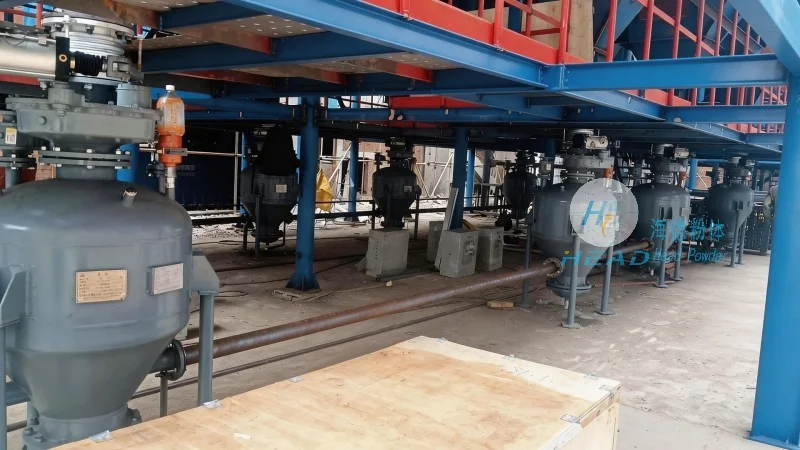
Core Principles of Pneumatic Conveying for Sand and Gravel
The fundamental principle of sand and gravel pneumatic conveying involves creating a flow of air within a pipeline that transports the material. This is typically achieved through positive pressure systems, where compressed air is introduced at the material inlet to push the particles forward. The system comprises several key components, including a hopper for material storage, a feeder to control the flow rate, a conveying line, and a receiver for the discharged material. The air velocity within the pipeline must be sufficient to overcome the gravitational and frictional forces acting on the particles, ensuring stable and continuous transport. The design of the conveying system, including pipe diameter, length, and the use of bends or expansions, directly impacts the efficiency and reliability of the process. Proper air flow management is crucial to prevent material deposition or blockages, which can lead to system inefficiencies or downtime.
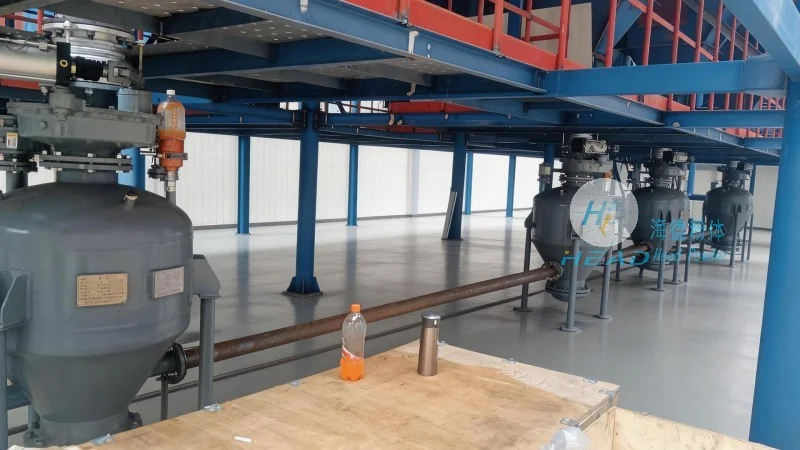
Key Components and Their Roles in Sand and Gravel Conveying Systems
Several critical components work in tandem to ensure the smooth operation of sand and gravel pneumatic conveying systems. The material hopper serves as the storage vessel, providing a consistent supply of the bulk material. It is typically equipped with a discharge valve or feeder to regulate the flow of particles into the conveying line. The feeder, often a rotary valve or a screw feeder, controls the rate at which material enters the system, preventing overloading and maintaining a steady flow. The conveying line, usually made of metal or plastic, is designed to withstand the pressure and abrasion from the granular material. The air compressor or blower generates the necessary pressure to move the material through the pipeline. The receiver, located at the discharge end, collects the conveyed material and may include a dust collection system to control airborne particles. Each component must be carefully selected and maintained to ensure optimal performance and longevity of the system.
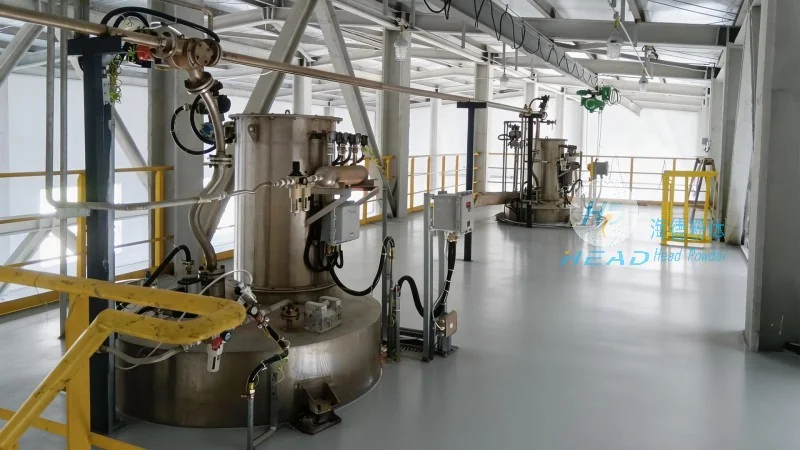
Application Scenarios and Operational Advantages
Sand and gravel pneumatic conveying is widely applied in various industrial and construction scenarios. In construction sites, it is used to transport aggregates from stockpiles to mixing plants or concrete batchers, reducing the need for manual handling and increasing productivity. In mining operations, it facilitates the transport of crushed rock and ore from processing facilities to storage or transportation points. The technology is also utilized in sand and gravel processing plants, where it helps move raw materials through washing, screening, and drying processes. The operational advantages of this method include improved safety by eliminating the need for manual handling of heavy or dusty materials, reduced labor costs due to automated material transport, and enhanced environmental control through enclosed systems that minimize dust emissions. Additionally, pneumatic conveying systems can be integrated with other processing equipment, allowing for seamless material flow and increased overall system efficiency.
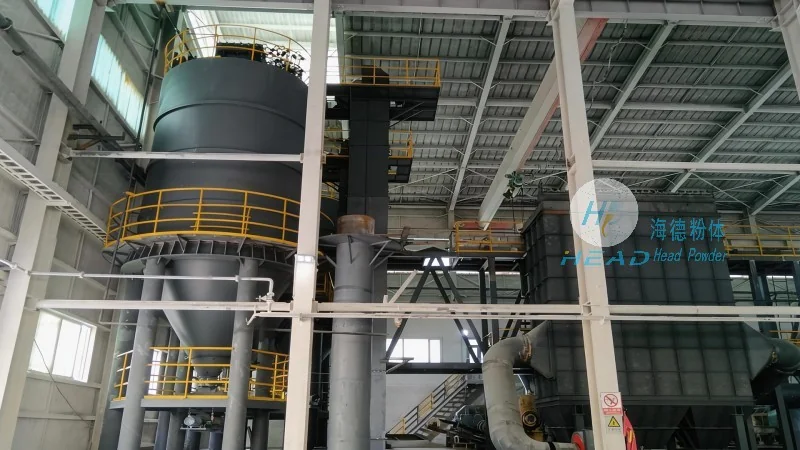
Case Study: HeadPowder's Pneumatic Conveying Solutions
Shandong HeadPowder Engineering Co., Ltd., a leading provider of material handling solutions, specializes in designing and manufacturing advanced pneumatic conveying systems tailored to the specific needs of sand and gravel applications. With a focus on innovation and quality, HeadPowder has developed customized solutions that address the unique challenges of transporting abrasive and heavy materials. The company's expertise lies in optimizing system design to ensure high efficiency, reliability, and durability. By leveraging advanced engineering principles and rigorous testing, HeadPowder's systems are capable of handling a wide range of particle sizes and material types, from fine sand to coarse gravel. The company's commitment to customer satisfaction and technical support ensures that clients receive comprehensive solutions that meet their operational requirements and budget constraints. HeadPowder's pneumatic conveying systems are installed in various industrial settings across China, demonstrating their effectiveness and reliability in real-world applications.




