HeadPowder, a leading provider in the field of material handling solutions, specializes in the design and implementation of pneumatic conveying systems for rubber granules. This article delves into the fundamental principles behind rubber granule pneumatic conveying and highlights the key characteristics of its working environments.
Understanding the Pneumatic Conveying Principle for Rubber Granules
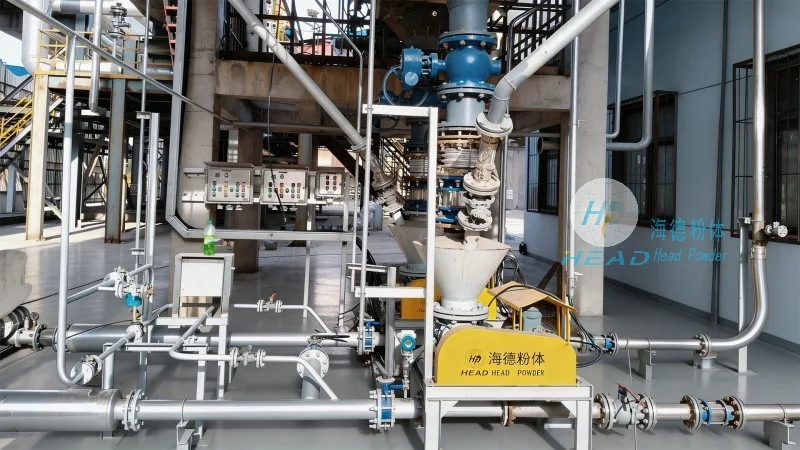
Pneumatic conveying is a method of transporting bulk materials, such as rubber granules, through a pipeline using air or gas as the conveying medium. The process typically involves creating a pressure differential within the system to move the material from the source to the destination. For rubber granules, which are often used in various industrial applications like sports surfaces, flooring, and recreational equipment, the efficiency and reliability of the conveying system are critical. The principle of pneumatic conveying for rubber granules relies on the ability to generate sufficient airflow to lift and transport the granules through the pipeline. This is achieved by using a combination of positive pressure (where air is blown into the system) or negative pressure (where air is drawn out), depending on the specific application and system design. The key components of a rubber granule pneumatic conveying system include the material feed hopper, the air mover (e.g., a blower or vacuum pump), the conveying pipeline, and the discharge equipment. The material feed hopper ensures a consistent flow of rubber granules into the system, while the air mover provides the necessary pressure or vacuum to initiate and maintain the conveying process. The pipeline, often made of durable materials like stainless steel or specialized plastic to resist abrasion from the rubber granules, transports the material from the feed point to the discharge point. The discharge equipment then collects the rubber granules at the end of the pipeline, completing the conveying cycle. The efficiency of the system is influenced by factors such as the size and density of the rubber granules, the air velocity, and the length and diameter of the pipeline. Proper system design, including the selection of appropriate air mover capacity and pipeline dimensions, is essential to ensure smooth and continuous operation. HeadPowder's expertise in designing pneumatic conveying systems for rubber granules ensures that these factors are optimized to meet the specific requirements of each application.
Key Working Scene Characteristics of Rubber Granule Pneumatic Conveying
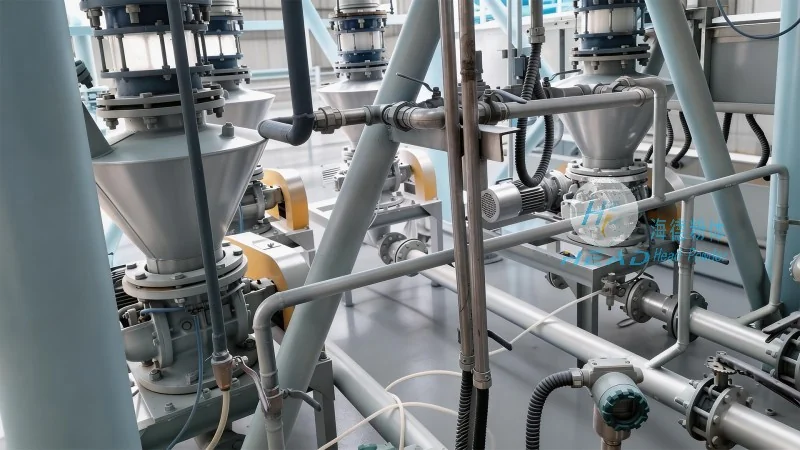
The working scene characteristics of rubber granule pneumatic conveying systems are tailored to the specific needs of industrial environments where rubber granules are processed and used. These characteristics include the scale of operation, the environment in which the system is installed, and the integration with other production processes. One of the primary characteristics is the scale of the system, which can range from small-scale systems used in laboratory or pilot applications to large-scale systems employed in industrial production lines. Small-scale systems are typically used for testing and development purposes, allowing engineers to evaluate the performance of different conveying methods and materials under controlled conditions. In contrast, large-scale systems are designed to handle high volumes of rubber granules, often used in manufacturing facilities that produce rubber products on a commercial scale. The environment in which the pneumatic conveying system is installed also plays a significant role in its characteristics. Rubber granule conveying systems are commonly found in industrial settings such as rubber processing plants, sports surface manufacturing facilities, and recycling centers. These environments may involve exposure to dust, moisture, or other contaminants, which can affect the performance and longevity of the system components. Therefore, the system design must consider factors such as corrosion resistance, dust containment, and maintenance accessibility to ensure reliable operation in these conditions. Another important characteristic is the integration of the pneumatic conveying system with other production processes. Rubber granules are often used as raw materials in various manufacturing processes, and the conveying system must be seamlessly integrated with these processes to maintain a continuous flow of materials. For example, in a sports surface manufacturing facility, the rubber granules may be conveyed from a storage silo to a mixing and compounding line, where they are combined with other materials to produce the final product. The system must be designed to work in harmony with these downstream processes, ensuring that the material is delivered at the correct time and in the correct quantity. HeadPowder's experience in integrating pneumatic conveying systems with diverse production processes ensures that these characteristics are addressed effectively, providing clients with a cohesive and efficient material handling solution.
Applications and Benefits of Rubber Granule Pneumatic Conveying
Rubber granule pneumatic conveying systems are widely used in various industrial applications due to their efficiency, flexibility, and ability to handle materials that are difficult to transport using traditional methods. The primary applications include the transportation of rubber granules for sports surface construction, where the granules are used to create artificial turf or rubber flooring. In these applications, the system must be capable of conveying rubber granules over long distances and at high volumes to meet the demands of large-scale sports facility projects. Another significant application is in the rubber recycling industry, where used rubber products are processed into granules and then conveyed to recycling facilities for further processing. The pneumatic conveying system plays a crucial role in transporting these recycled rubber granules from collection points to processing plants, ensuring a continuous supply of raw material for the recycling process. The benefits of using pneumatic conveying for rubber granules are numerous and include improved safety, reduced labor costs, and enhanced material handling efficiency. Unlike traditional methods such as bucket elevators or belt conveyors, pneumatic conveying systems eliminate the need for manual handling of heavy or bulky rubber granules, reducing the risk of workplace injuries. Additionally, the system can operate continuously without the need for frequent maintenance, as the components are designed to withstand the abrasive nature of rubber granules. The flexibility of pneumatic conveying systems also allows for easy integration with other equipment, such as storage silos and processing machinery, enabling a streamlined production process. HeadPowder's pneumatic conveying solutions for rubber granules offer these benefits while ensuring compliance with industry standards and regulations. The company's expertise in system design and installation ensures that clients receive a reliable and efficient solution tailored to their specific needs, contributing to improved productivity and reduced operational costs.
Conclusion and Future Trends in Rubber Granule Pneumatic Conveying
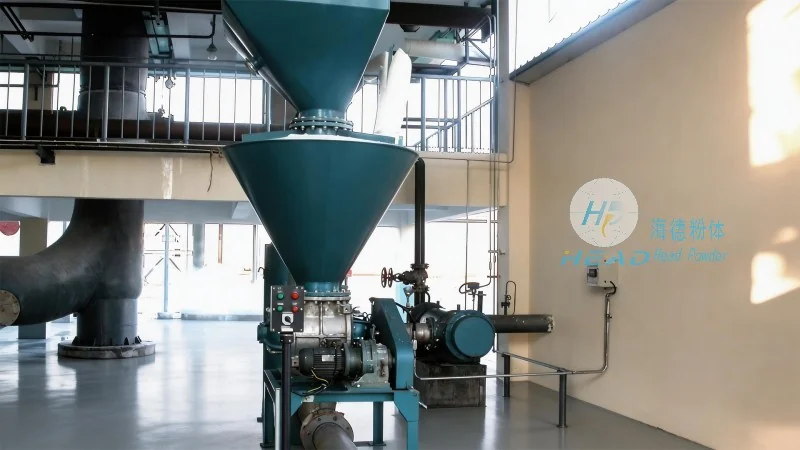
In conclusion, rubber granule pneumatic conveying is a sophisticated and effective method for transporting bulk materials in industrial settings. The principles behind the system, combined with its working scene characteristics, make it an ideal solution for various applications, including sports surface manufacturing and rubber recycling. HeadPowder's commitment to providing high-quality pneumatic conveying systems ensures that clients can benefit from the efficiency and reliability of this technology. As the demand for rubber granules continues to grow in various industries, the importance of efficient material handling solutions will remain critical. Future trends in rubber granule pneumatic conveying may include advancements in system automation, the use of more durable and corrosion-resistant materials, and the integration of smart technologies to enhance system performance and monitoring. These developments will further improve the efficiency and sustainability of rubber granule handling processes, contributing to the overall growth of the industry. HeadPowder remains at the forefront of these advancements, continuously innovating to provide cutting-edge solutions that meet the evolving needs of its clients. By leveraging its expertise and experience, HeadPowder ensures that its clients can achieve optimal performance and reliability in their rubber granule pneumatic conveying systems, supporting their success in the competitive industrial landscape.




