HeadPowder, a leading engineering firm based in Shandong, China, specializes in the design and implementation of advanced material handling systems, including pneumatic conveying solutions for ammonium sulfate. This article explores the fundamental principles behind ammonium sulfate pneumatic conveying and highlights the key characteristics of its operational scenarios.
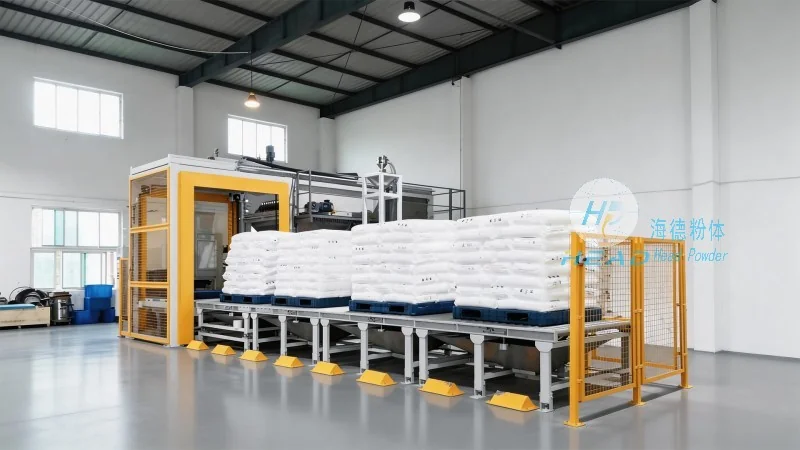
Company Overview and Expertise
Shandong HeadPowder Engineering Co., Ltd. is a reputable company dedicated to providing innovative engineering solutions for bulk material handling. With a focus on efficiency and reliability, HeadPowder has established itself as a trusted partner in the chemical and fertilizer industries. The company’s expertise lies in developing customized pneumatic conveying systems tailored to the unique requirements of clients, ensuring optimal performance and minimal operational disruptions.
The Principle of Ammonium Sulfate Pneumatic Conveying
Pneumatic conveying is a method of transporting bulk materials, such as ammonium sulfate, through a pipeline using air or gas as the conveying medium. The process involves creating a pressure differential between the inlet and outlet of the system, which propels the material along the pipeline. In the case of ammonium sulfate, the conveying system typically operates under positive pressure, where air is forced through the pipeline to move the material. This approach is particularly effective for handling fine powders like ammonium sulfate, as it minimizes product degradation and ensures a smooth flow.
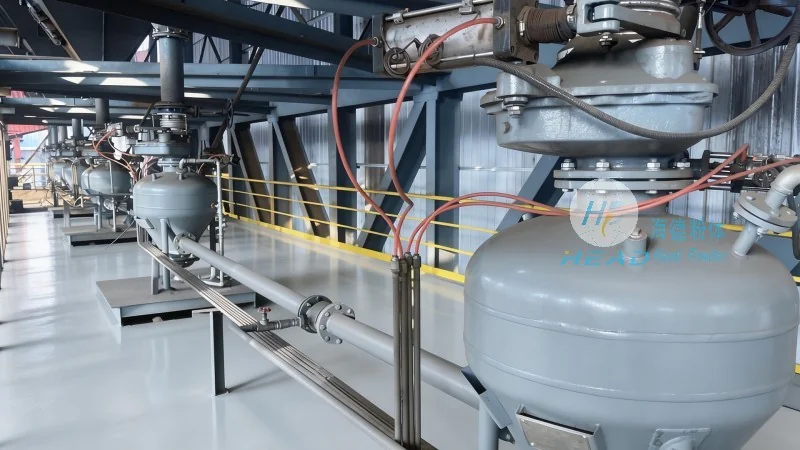
The core components of an ammonium sulfate pneumatic conveying system include a feed hopper, a rotary airlock valve, a conveying line, and a receiver. The feed hopper stores the ammonium sulfate, and the rotary airlock valve controls the flow of material into the conveying line. The conveying line, often made of stainless steel or other corrosion-resistant materials, transports the material from the feed point to the receiver. The receiver collects the material and may include a dust collection system to maintain air quality and prevent product loss. The system also incorporates pressure regulators and filters to maintain consistent air pressure and remove contaminants from the conveying medium.
Key Characteristics of Working Scenarios for Ammonium Sulfate Pneumatic Conveying
The operational scenarios for ammonium sulfate pneumatic conveying vary based on the specific application and site conditions. These scenarios are characterized by several key factors that influence system design and performance.
First, the distance and layout of the conveying system are critical considerations. For short-distance conveying, such as within a plant or between adjacent buildings, a simple straight-line pipeline is sufficient. However, for longer distances or complex layouts, the system may require bends, vertical lifts, or multiple branches to accommodate the material flow. The design of the pipeline must account for the material's properties, including its density, flowability, and potential for bridging or caking, to ensure efficient transport.
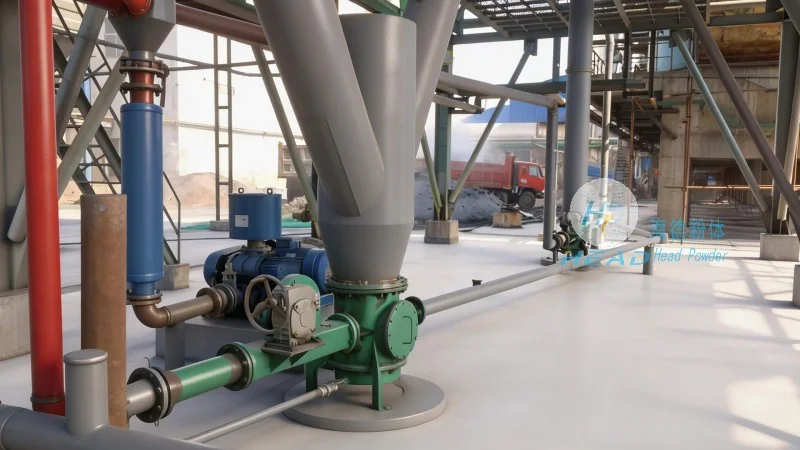
Second, the environmental conditions at the site play a significant role in determining the system's requirements. Ammonium sulfate is a hygroscopic material, meaning it can absorb moisture from the air, which may affect its flow characteristics and cause clogging. Therefore, the conveying system must be equipped with proper moisture control measures, such as drying the air or using sealed pipelines, to maintain optimal performance. Additionally, the system must comply with local regulations regarding air emissions and noise levels, especially in industrial or residential areas.
Third, the scale of the operation influences the system's capacity and efficiency. Small-scale applications, such as conveying ammonium sulfate from a storage silo to a packaging line, may require a compact system with lower capacity. In contrast, large-scale operations, like transporting ammonium sulfate from a production facility to a distribution center, demand a high-capacity system capable of handling large volumes of material. The system's design must be scalable to accommodate future growth and changing operational needs.
Advantages and Considerations in Ammonium Sulfate Pneumatic Conveying
Ammonium sulfate pneumatic conveying offers several advantages over traditional methods, such as bucket elevators or belt conveyors. One of the primary benefits is the ability to handle fine powders without the need for mechanical components that can cause product degradation. The system also provides a closed-loop operation, which minimizes dust emissions and improves safety in the workplace. Additionally, pneumatic conveying systems are relatively easy to install and maintain, as they require fewer moving parts compared to other bulk handling solutions.
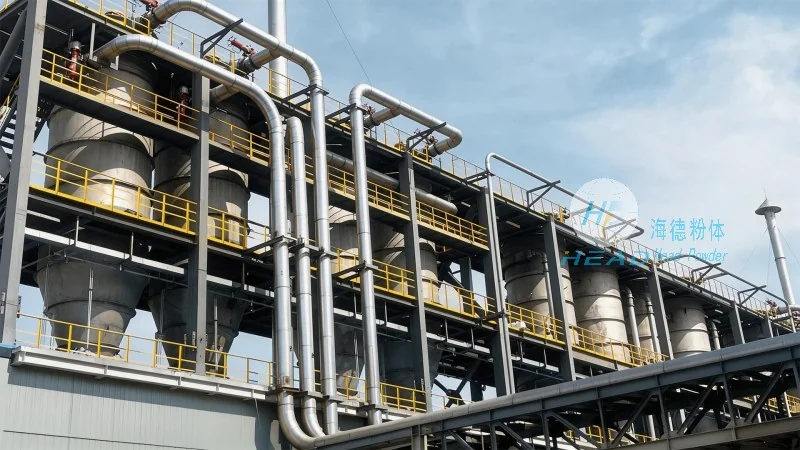
However, there are also considerations to keep in mind when implementing an ammonium sulfate pneumatic conveying system. The system's efficiency depends on the air pressure and flow rate, which must be carefully controlled to avoid excessive energy consumption or material degradation. The cost of the system, including the pipeline, air compressor, and control equipment, can be higher than other conveying methods, especially for small-scale applications. Furthermore, the system may require regular maintenance to ensure optimal performance, particularly the air filters and rotary airlock valves, which are critical components of the system.
Conclusion
Ammonium sulfate pneumatic conveying is a reliable and efficient method for transporting bulk materials, offering numerous benefits for industrial applications. By understanding the fundamental principles and key characteristics of the system, companies can design and implement effective conveying solutions that meet their specific needs. HeadPowder, with its expertise in engineering and material handling, provides comprehensive solutions for ammonium sulfate pneumatic conveying, ensuring optimal performance and long-term reliability for its clients.




